
Why the First Two Weeks on the Market Matter So Much
When a home first hits the market, it often receives its highest level of attention.
Buyers who have been actively searching may notice the listing immediately. Real estate agents may share it with clients whose criteria match. Online listing platforms may also give new inventory more visibility simply because it has just become available.
That makes the first two weeks especially important.
For sellers in Connecticut and Western Massachusetts, the early response to a listing can provide useful information about price, presentation, condition, and buyer demand.
New Listings Attract the Most Curiosity
Serious buyers tend to monitor new listings closely.
Many already know their preferred price range, towns, square footage, and property type. When a home matching those criteria appears, they may schedule a showing quickly.
That initial wave of activity can create momentum.
If the property is well priced and presented effectively, multiple buyers may view it within a short period.
If interest is limited, that can also be informative.
A slow first week may suggest that something about the price, photos, condition, location, or overall presentation is not connecting with the market.

Pricing Has the Greatest Impact Early
A home that enters the market too high can lose valuable time.
Buyers compare listings constantly, and they may skip a property if the asking price seems inconsistent with nearby alternatives.
That does not necessarily mean the home is undesirable.
It may simply mean buyers believe other properties offer better value at the same price.
The risk is that by the time the seller adjusts the price, some of the strongest early buyers may already have moved on.
That is one reason experienced local pricing guidance matters before the listing goes live.

Presentation Matters From Day One
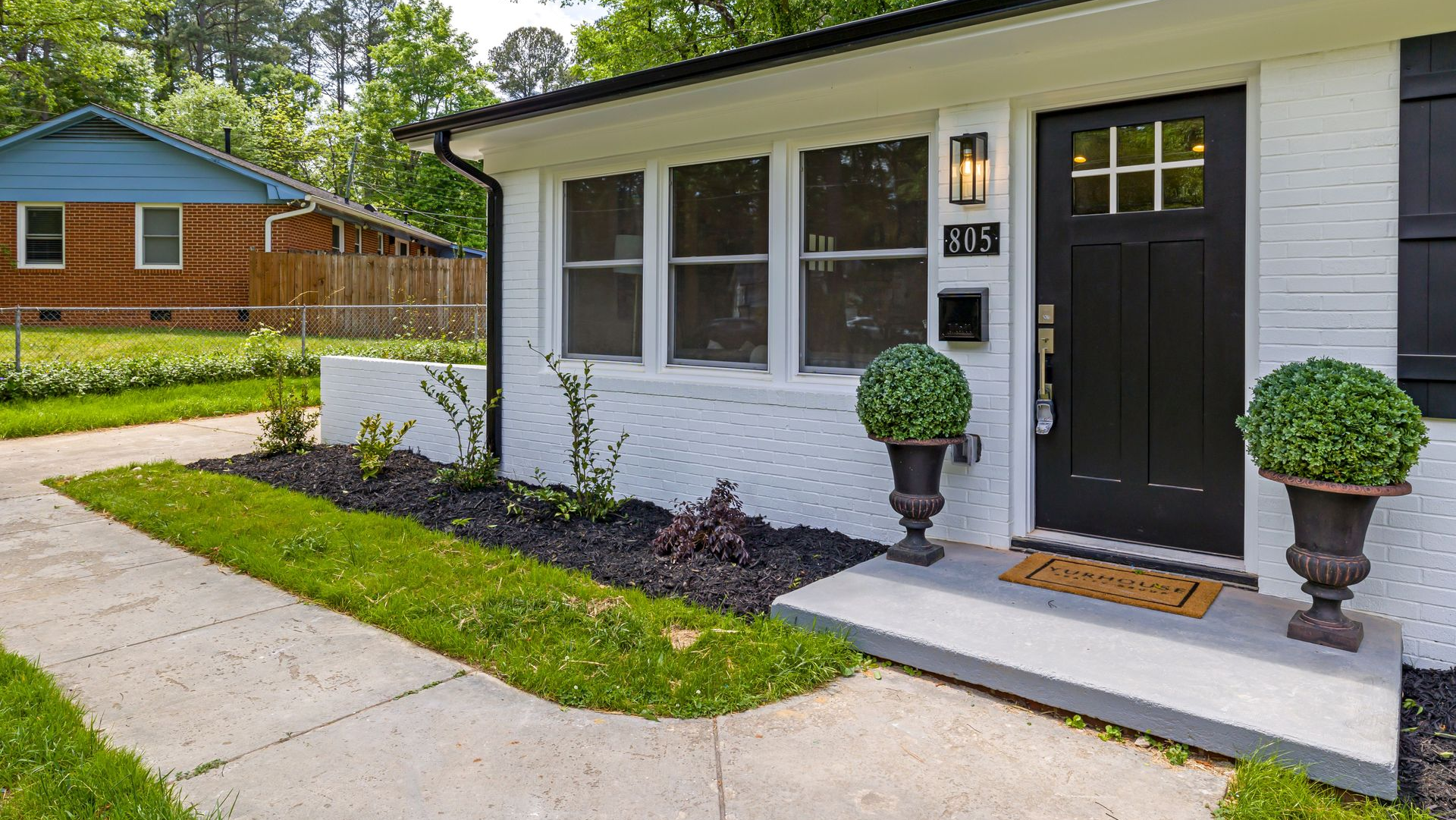
The first impression should be ready before the property is publicly listed.
Photos, staging, decluttering, exterior appearance, and basic repairs should ideally be addressed in advance.
Listing first and planning improvements later can waste the period when buyer attention is highest.
A home does not need to be perfect, but it should look intentional and well prepared.
Clear photographs, tidy rooms, good lighting, and a maintained exterior can help buyers focus on the property instead of distractions.
Showing Access Can Affect Momentum
Sellers should also think carefully about showing availability.
If buyers have difficulty scheduling appointments during the first week, some may simply choose another property.
This can be especially important when several comparable homes are available at once.
Flexible showing windows can make it easier for working buyers, families, and out-of-town purchasers to see the home while their interest is still high.

Early Feedback Is Valuable
The first several showings can reveal patterns.
If multiple buyers comment on the same issue, sellers should pay attention.
Feedback about price, condition, layout, odors, lighting, or needed updates can help explain why buyers are hesitating.
One comment may be personal preference.
Several similar comments can point to a market issue worth addressing.
Sellers do not need to react to every opinion, but consistent feedback should be evaluated carefully.
Days on Market Can Change Buyer Perception
As a listing remains available, buyers may begin asking why it has not sold.
Some may assume there is a hidden problem, even when there is not.
Others may feel more comfortable making a lower offer because they believe the seller has become more motivated.
That does not mean an older listing cannot sell successfully. It does mean that strong preparation and realistic pricing at the beginning can help avoid unnecessary questions later.

Local Knowledge Helps Sellers Interpret the Response
Every market behaves differently.
A property that receives ten showings in one week may be performing well in one area and underperforming in another.
That is why sellers benefit from someone who understands local inventory, buyer behavior, and recent comparable sales.
Broker/Owner Gregory Heineman of Trend 2000 Real Estate brings experienced local market knowledge to buyers and sellers throughout Connecticut and Western Massachusetts. He can help sellers interpret early showing activity and determine whether the market response supports the original strategy or suggests an adjustment.
Make the Opening Weeks Count
The first two weeks on the market can shape the rest of the selling process.
Strong pricing, good presentation, accessible showings, and careful attention to buyer feedback can help a listing build momentum while interest is fresh.
If you are considering selling a home in Connecticut or Western Massachusetts, contact Trend 2000 Real Estate. Working with Gregory Heinemann can help you prepare the property, set a thoughtful asking price, and make the most of the crucial early days on the market.










 FREE CONSULTATION