
BLOG

When several buyers are competing for the same home, it is easy to assume that the seller will simply choose the highest price. Sometimes that happens, but not always. A real estate offer includes much more than the purchase price. Financing, contingencies, closing dates, deposit size, inspection terms, and the overall certainty of the transaction can all influence which offer a seller considers strongest. In competitive markets across Connecticut and Western Massachusetts, buyers often benefit from understanding how sellers evaluate the complete package. Sellers Care About Certainty A high offer can be attractive, but only if the seller believes the transaction is likely to close successfully. For example, an offer that is significantly above the asking price may appear strong at first. However, if the buyer has a small down payment , uncertain financing, or several contingencies, the seller may view it as less dependable than a slightly lower offer with stronger financial documentation. Sellers generally want to reduce the chances of accepting an offer that later falls apart. That is why certainty can sometimes compete directly with price.
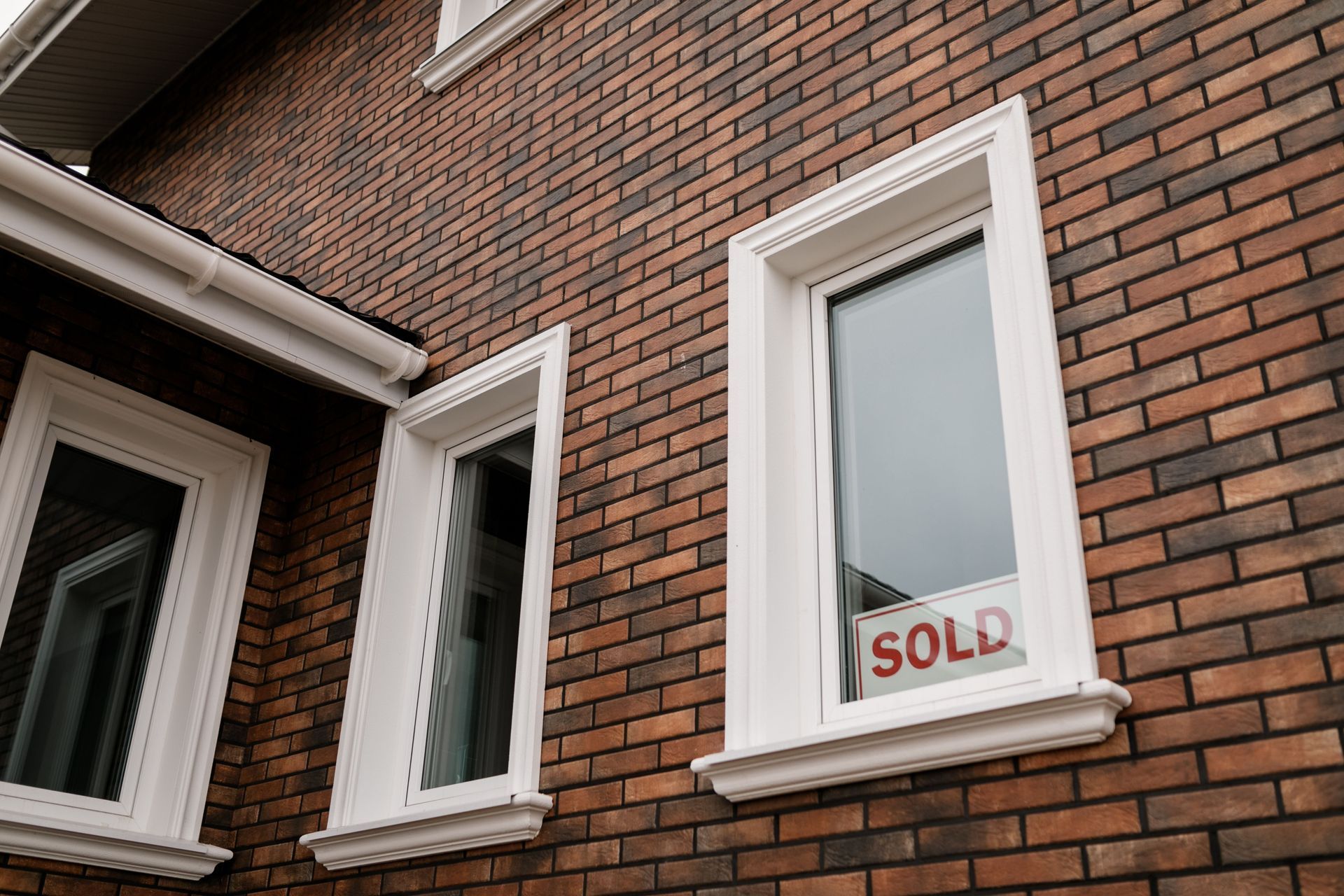
A lower asking price can be attractive, especially in a competitive market . But the least expensive home on your shortlist is not always the least expensive home to own. Older systems, deferred maintenance, higher utility costs, insurance issues, property taxes, and upcoming repairs can all change the true cost of ownership. Buyers in Connecticut and Western Massachusetts should look beyond the purchase price and evaluate what the property may require over the next several years. Major Repairs Can Change the Math Quickly A home priced below similar properties may simply need more work . An aging roof , older heating system, deteriorated siding, outdated electrical service, or failing septic components can create significant expenses after closing. Even when the home is structurally sound, several medium-sized projects arriving at once can strain a new homeowner’s budget. Buyers should consider not only whether a system works today, but also how old it is and how much useful life it may have left.

Fieldstone foundations are a familiar feature in many older homes throughout Connecticut and Western Massachusetts. Built from natural stone and mortar, these foundations often reflect the construction methods and materials available when the home was originally built. For buyers, a fieldstone foundation is not automatically a reason for concern. Many have supported homes successfully for generations. However, they should be evaluated carefully because age, moisture, drainage, and previous repairs can all affect their condition. Why Fieldstone Foundations Are Common in New England Before poured concrete became standard, builders often used locally available stone for foundations. The stones were stacked and fitted together, with mortar filling the joints. Because the materials were readily available and durable, this method was widely used throughout New England. As a result, many antique and early twentieth-century homes still sit on fieldstone foundations today. The irregular appearance can look very different from a modern concrete basement wall, but appearance alone does not determine whether the foundation is performing properly.

Older homes are a major part of the character of Connecticut and Western Massachusetts. Many offer craftsmanship, mature landscaping , distinctive architecture, and locations in established communities that newer construction cannot easily replicate. At the same time, buying an older property requires a different level of evaluation. For buyers, the goal is not to avoid older homes. It is to understand where age can affect maintenance, systems, and future costs. Trend 2000 Real Estate helps buyers evaluate homes with local context so they can make informed decisions before moving forward. Older Does Not Automatically Mean Problematic Age alone does not determine whether a home is in good condition. A well-maintained 80-year-old house may be in better shape than a much newer property that has been neglected. What matters is how the home has been maintained, updated, and repaired over time. Buyers should look beyond the year built and focus on the condition of major components such as the roof, foundation, electrical system, plumbing, heating system, windows, and exterior.

Moving to a new state involves more than finding a house that looks good online. Buyers also need to understand local pricing, taxes, commuting patterns, neighborhood differences, housing styles, and the pace of the market. Those factors can vary significantly from one community to another, even within the same region. For buyers relocating to Connecticut or Western Massachusetts, local market knowledge can make the home search more efficient and help reduce surprises. An experienced real estate professional can provide context that online listings and automated estimates often cannot. Every Market Has Its Own Patterns Real estate is highly loca l. Two towns located only a short drive apart can have very different home prices, inventory levels, property taxes, lot sizes, school districts, and buyer demand. A buyer relocating from another state may assume that pricing or market behavior will be similar to what they are accustomed to. That is not always the case. Some communities may have competitive conditions where desirable homes receive quick interest, while nearby areas may offer buyers more time and negotiating flexibility. Understanding these differences helps buyers set realistic expectations before making an offer.

When people begin searching for a new home, the house itself is only part of the decision. The surrounding community often plays an equally important role in determining whether a property feels like the right fit. Neighborhood character, nearby amenities, schools, transportation, and opportunities for recreation all contribute to a community’s long-term appeal. Understanding these factors can help buyers make a more informed decision and choose a location that supports both their current lifestyle and future goals. For buyers throughout Connecticut and Western Massachusetts, finding the right community is just as important as finding the right home. Gregory Heinemann, Broker/Owner of Trend 2000 Real Estate , has helped countless clients evaluate not only properties but also the neighborhoods and communities that best match their needs. Convenient Access to Everyday Essentials One of the first things many homebuyers consider is convenience. Easy access to grocery stores, healthcare providers, restaurants, shopping centers, and other everyday services can make daily life more efficient and enjoyable. Transportation is another important consideration. Proximity to major highways, public transportation, or employment centers may influence a buyer’s decision, particularly for commuters. At the same time, some buyers intentionally seek quieter communities that offer a slower pace while still providing reasonable access to nearby cities. Finding the right balance between convenience and lifestyle is different for every household.

Purchasing commercial real estate is a significant investment, whether you are acquiring office space, retail property, industrial facilities, or multi-family housing. While location and price are often the first considerations, experienced investors know that a successful transaction depends on much more than finding an attractive property. Thorough due diligence helps uncover important details about a property’s condition, financial performance, and legal status before a purchase is finalized. At Trend 2000 Real Estate, Broker/Owner Gregory Heinemann encourages commercial buyers to approach every transaction with careful planning and comprehensive research. Taking the time to evaluate a property from every angle can help investors make informed decisions and reduce the risk of unexpected surprises after closing. Looking Beyond the Surface A commercial property may appear well-maintained during an initial tour, but appearances alone rarely tell the whole story. Due diligence involves examining the physical condition of the building in greater detail. Professional inspections can identify issues involving the roof, HVAC systems, plumbing, electrical infrastructure, parking areas, and structural components. Understanding the age and condition of these systems allows buyers to anticipate future maintenance costs and incorporate them into their investment analysis. Identifying necessary repairs before closing also provides an opportunity to negotiate purchase terms or plan future improvements.
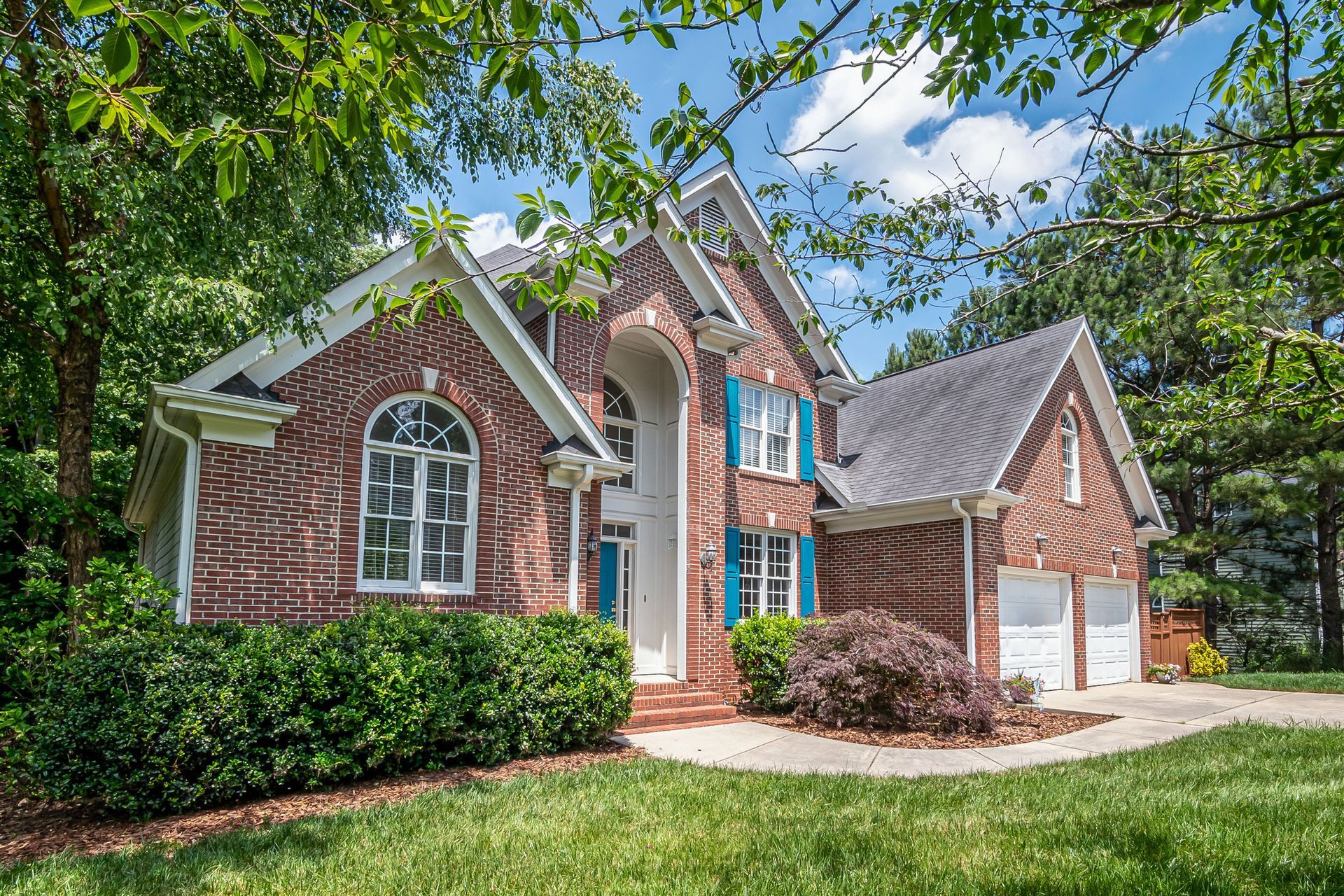
Whether you are preparing to sell your home or simply curious about its current value, understanding what your property is worth is an important first step. Many homeowners turn to online home valuation tools, but those automated estimates often cannot account for the unique characteristics that influence a property’s true market value. That is where a Comparative Market Analysis, commonly known as a CMA , becomes an invaluable resource. Prepared by an experienced real estate professional, a CMA provides a detailed evaluation of your home’s value based on recent market activity and comparable properties in your area. What Is a Comparative Market Analysis? A Comparative Market Analysis is a report that estimates the fair market value of a home by comparing it to similar properties that have recently sold, are currently on the market, or were listed but did not sell. Rather than relying on broad algorithms, a CMA considers the unique features of your property alongside local market conditions. It helps sellers establish a competitive listing price while giving buyers a better understanding of whether a property is appropriately priced. Although a CMA is not the same as a formal appraisal performed by a licensed appraiser, it is one of the most effective tools REALTORS® use to guide pricing decisions.
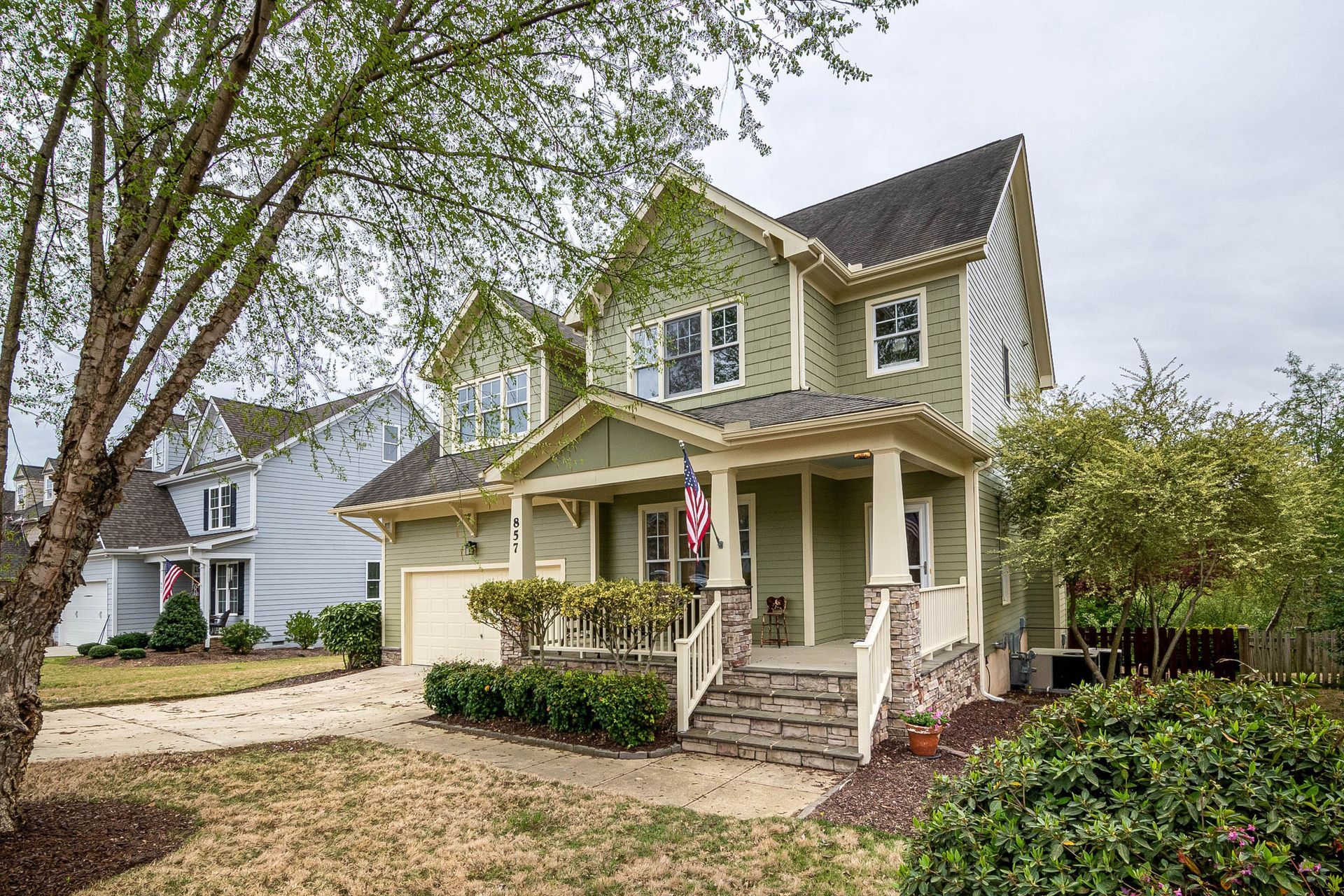
Buying or selling a home is one of the most significant financial decisions most people will ever make. While online listings, automated home valuations, and digital tools have made real estate information more accessible than ever, they cannot replace the value of experience. Every real estate transaction presents its own opportunities and challenges, and having an experienced professional by your side can make the process smoother, more informed, and ultimately more successful. At Trend 2000 Real Estate, owner Greg Heineman has spent years helping buyers and sellers navigate changing market conditions with confidence. His experience allows clients to make well-informed decisions based on more than just numbers—it is built on firsthand knowledge of the local market and a commitment to personalized service. Every Real Estate Transaction Is Unique No two homes are exactly alike, and no two buyers or sellers have the same goals. A first-time homebuyer may need guidance throughout every step of the purchasing process, while a homeowner preparing to sell may be focused on maximizing the value of their property. Families relocating, retirees downsizing, and investors evaluating opportunities each face different considerations. Experience allows a real estate professional to recognize these differences and tailor the process to each client’s specific needs rather than relying on a one-size-fits-all approach.
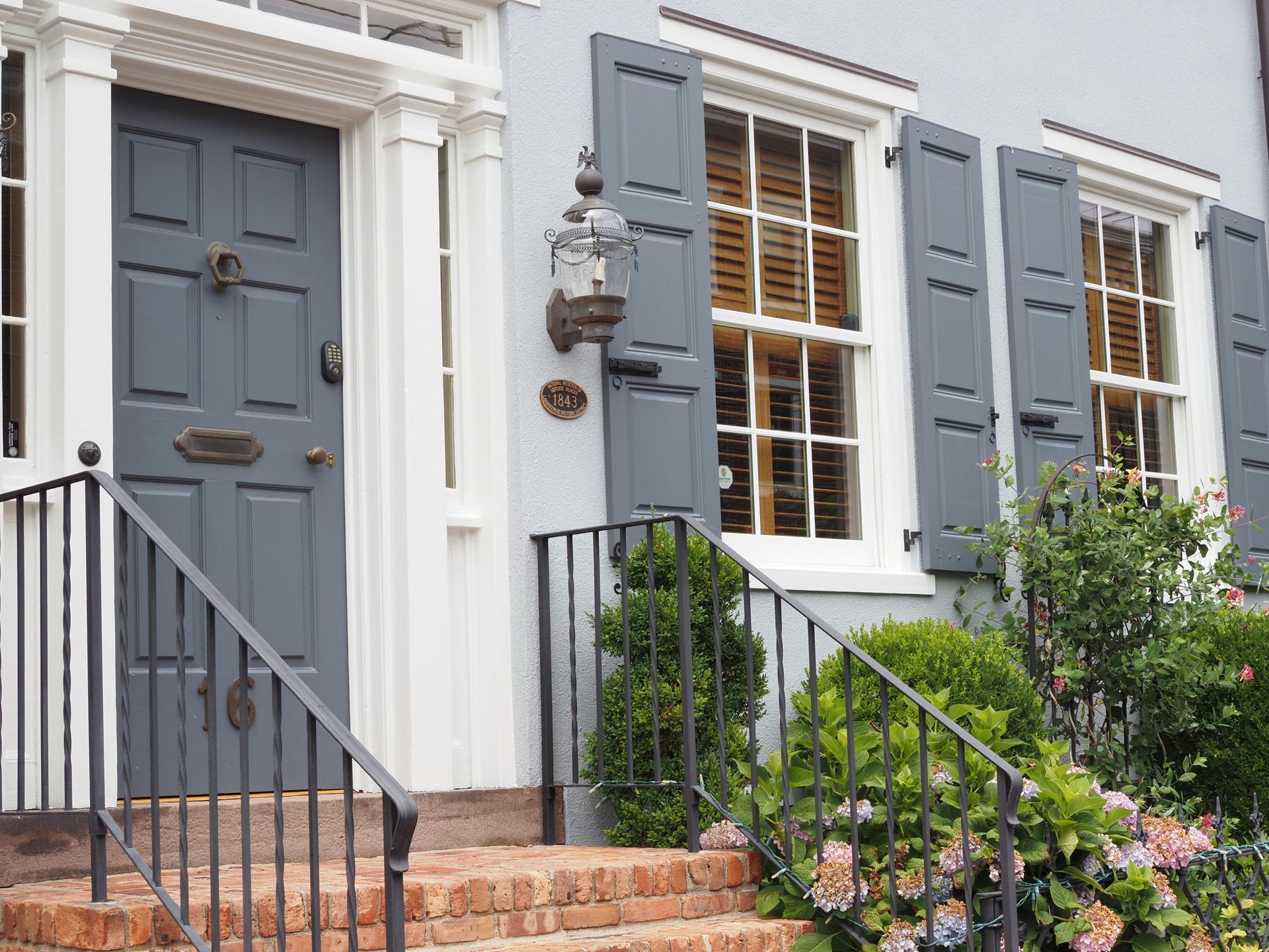
When buyers begin searching for a home, they often compare several properties before making an offer. Even in a strong real estate market, some homes attract immediate interest while others remain on the market longer than expected. Although factors like location and price play a significant role, the overall presentation of a home can have a meaningful impact on how buyers perceive its value. Preparing a home before it is listed is one of the most effective ways to create a positive first impression and help buyers envision themselves living there. Curb Appeal Sets the Stage A buyer’s experience begins before they ever walk through the front door. A well-maintained lawn, neatly trimmed landscaping, clean walkways, and an inviting entryway immediately communicate that a home has been cared for. Simple improvements such as fresh mulch, seasonal flowers, a freshly painted front door, or updated exterior lighting can make a noticeable difference without requiring a major investment. Strong curb appeal encourages buyers to enter the home with positive expectations.

Choosing a place to call home involves much more than finding the right house. The surrounding community, quality of life, local amenities, and long-term opportunities all play important roles in determining whether a location is the right fit. For many homebuyers, Connecticut and Massachusetts continue to stand out as attractive places to live because they offer a unique combination of history, economic opportunity, natural beauty, and strong communities. While every buyer has different priorities, these neighboring New England states consistently appeal to individuals and families looking for places where they can build lasting roots. A Rich Sense of History Few regions of the country offer as much historical character as New England. Throughout Connecticut and Massachusetts , buyers can find communities with centuries of history reflected in their architecture, town centers, and neighborhoods. Colonial homes, historic districts, traditional village greens, and well-preserved downtown areas provide a sense of character that is difficult to replicate elsewhere. For many homeowners, living in these communities means becoming part of an area with a long and meaningful story. At the same time, modern neighborhoods continue to grow alongside these historic settings, providing buyers with a wide variety of housing options.

Searching for a new home is an exciting experience, but it can also become overwhelming surprisingly quickly. Buyers are often presented with countless listings, varying price points, different neighborhoods, and an endless assortment of features. Without a clear understanding of what matters most, it is easy to become distracted by attractive details that may not align with long-term goals. One of the most effective ways to approach the home-buying process is to establish priorities before beginning the search. Clear priorities help buyers focus on what truly matters, make more confident decisions, and avoid unnecessary frustration along the way. Every Buyer Has Different Goals No two homebuyers are exactly alike. A young professional may prioritize commute times and walkability. A growing family may focus on space, schools, and neighborhood amenities. Retirees may be more interested in accessibility, maintenance requirements, and proximity to healthcare services. Because every buyer’s circumstances are different, there is no universal definition of the “perfect” home. The key is identifying which factors are most important to your specific lifestyle, needs, and future plans before viewing properties.

 FREE CONSULTATION