
How an Updated Kitchen Can Distract Buyers From Bigger Problems
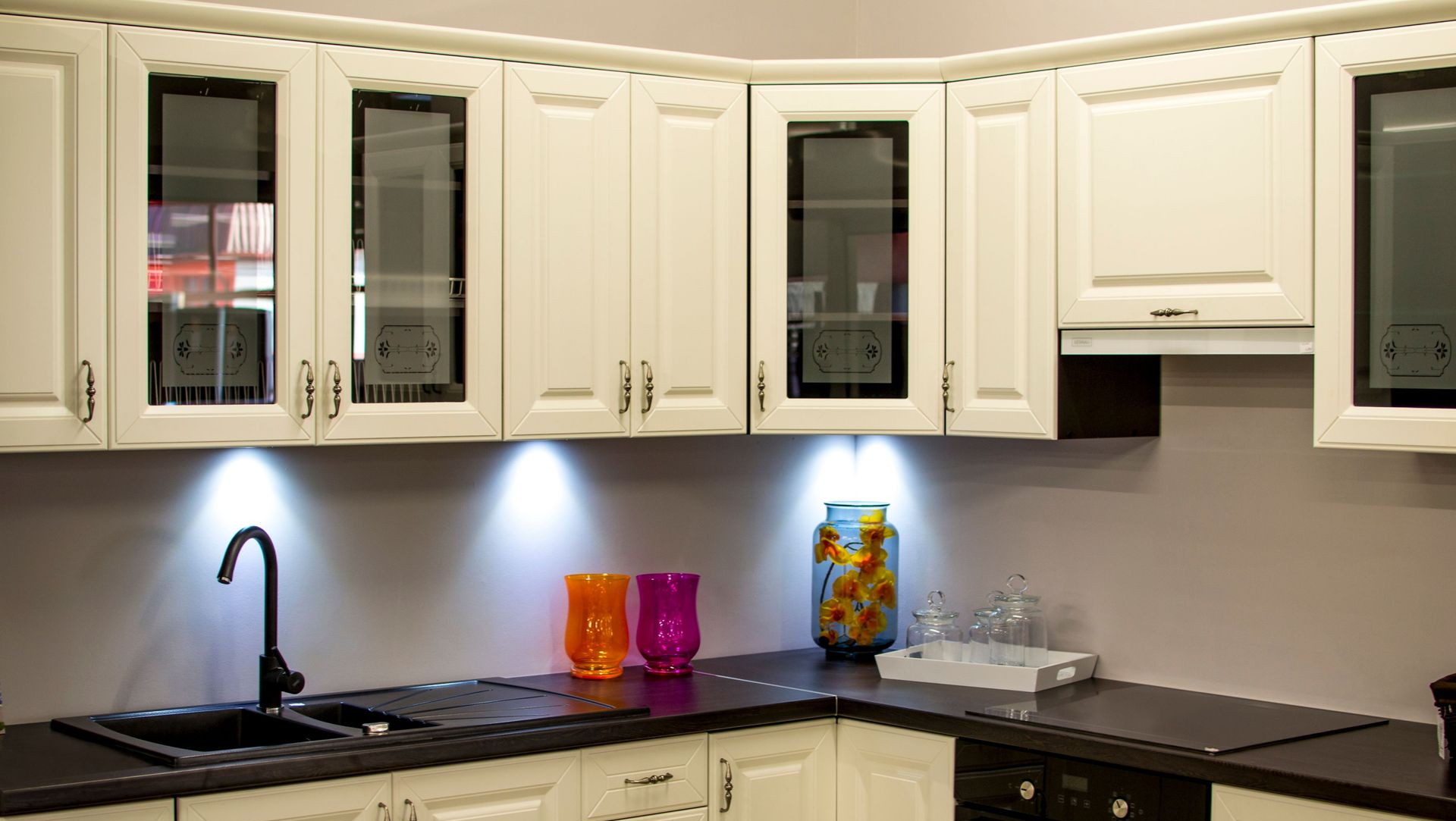
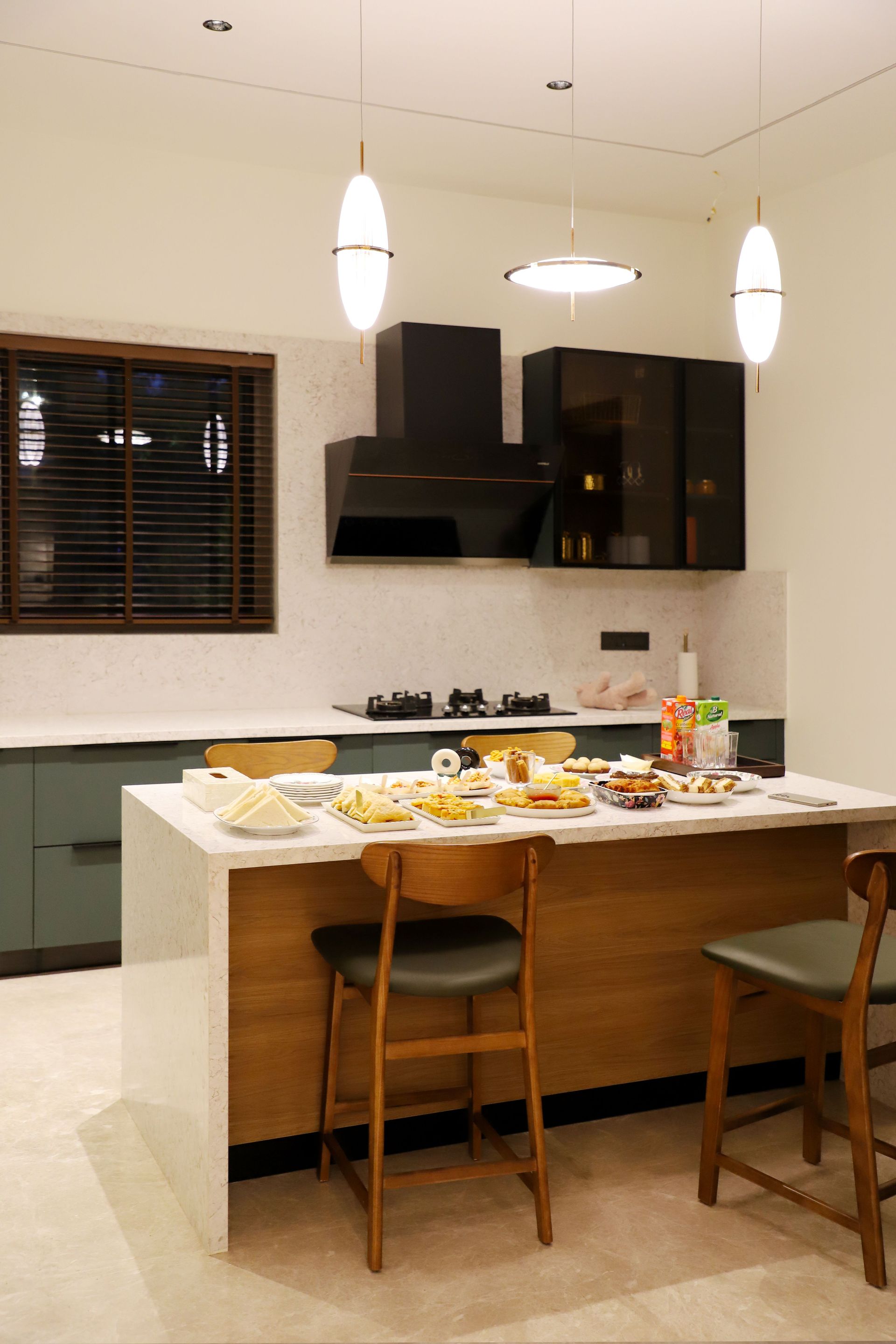
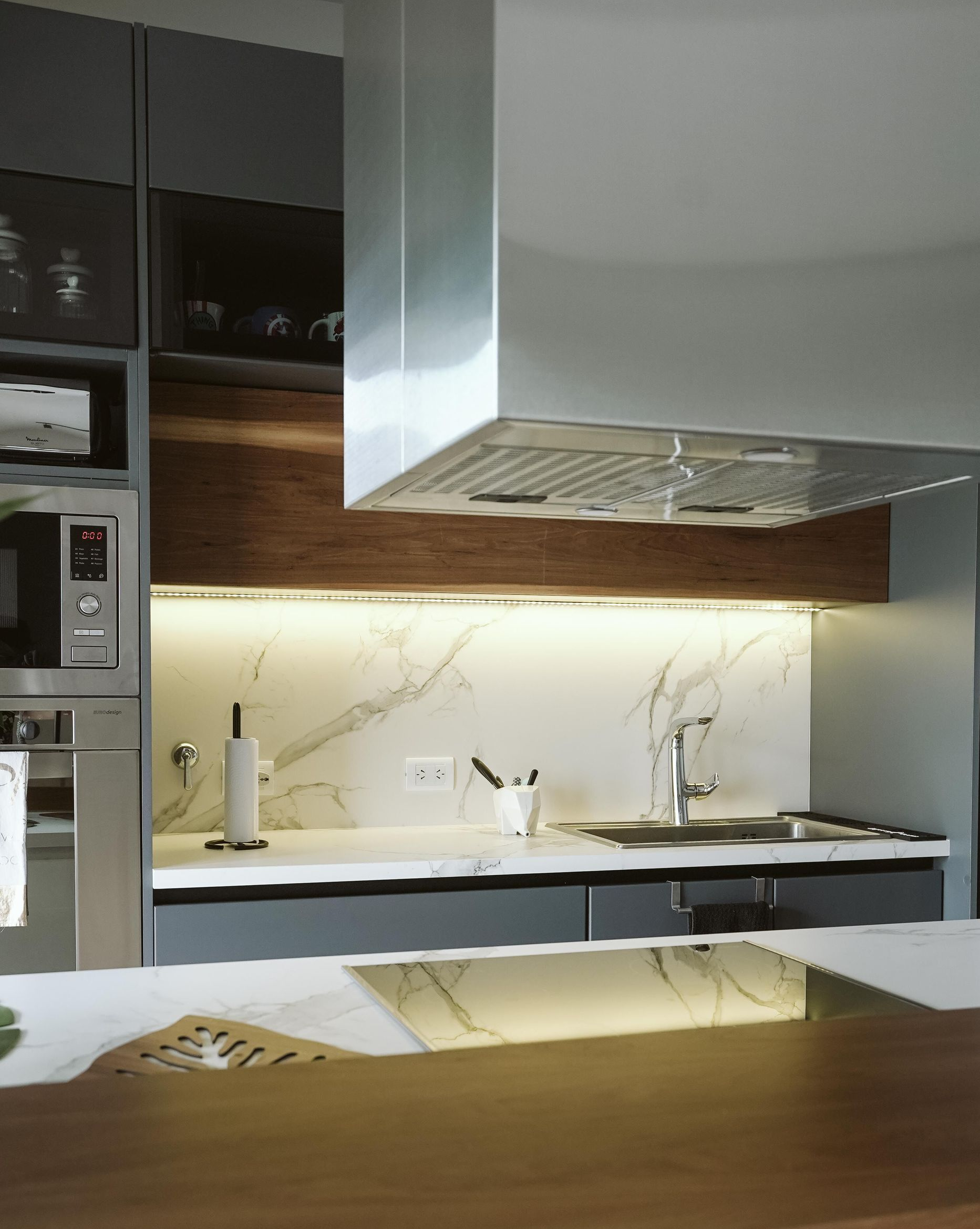
A bright new kitchen can make a strong first impression.
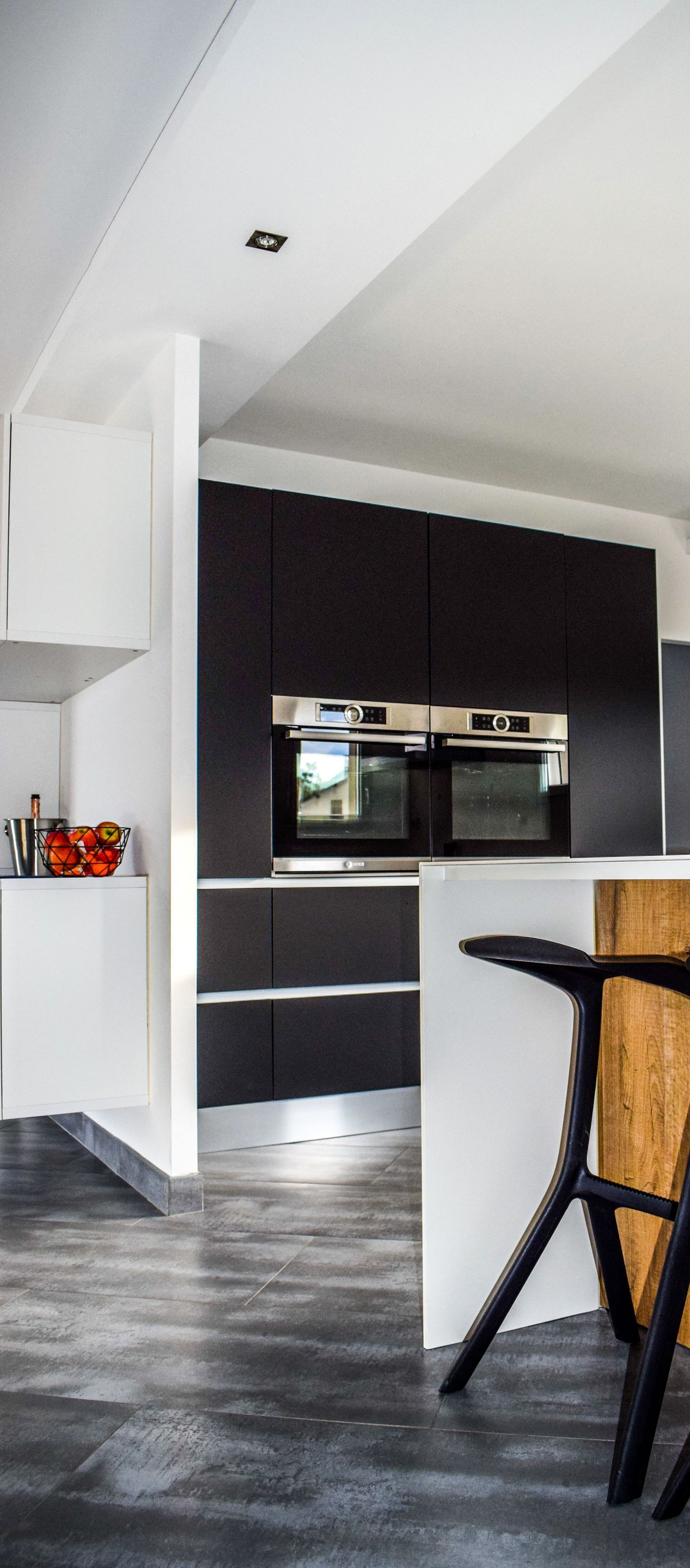
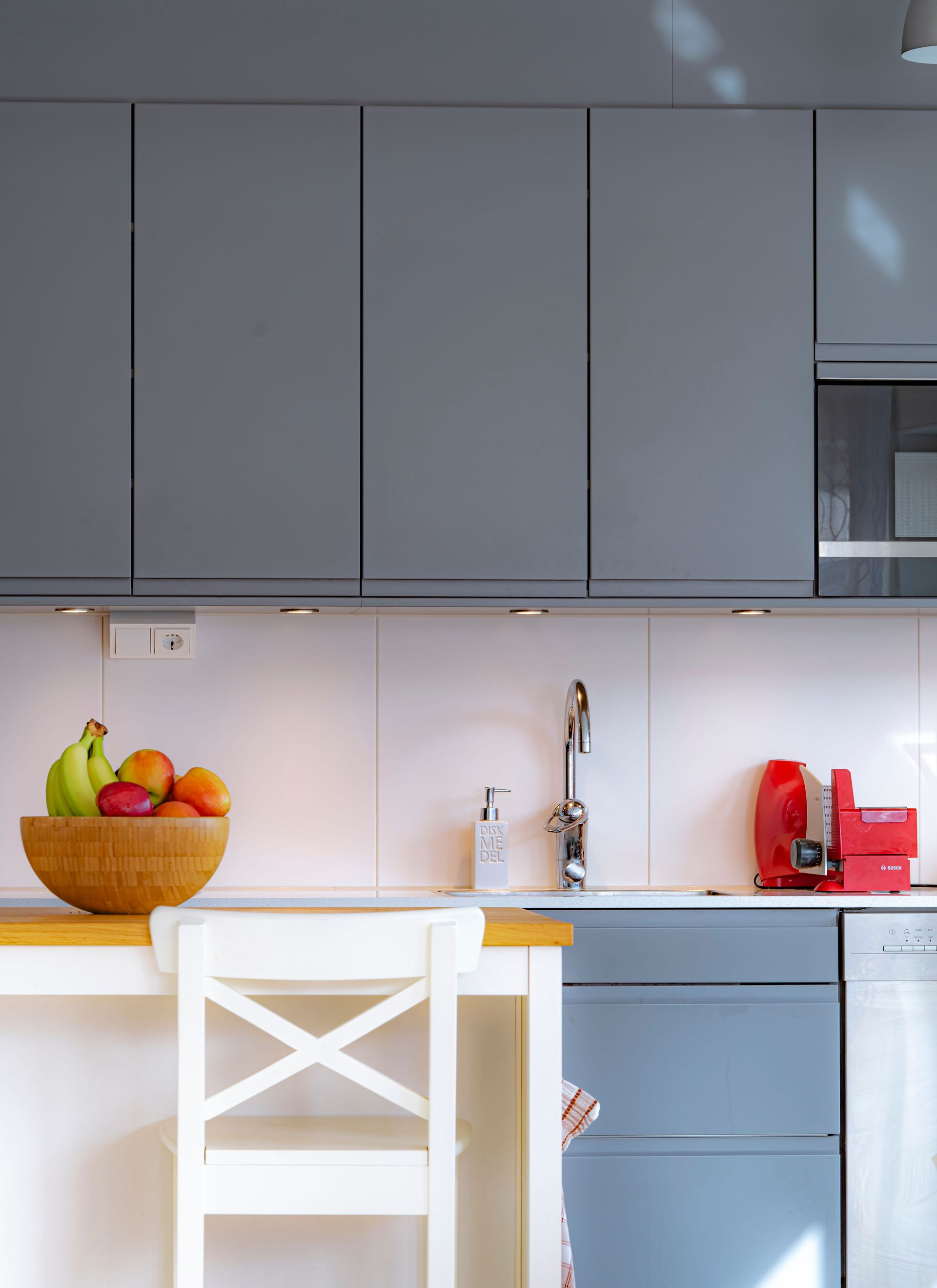
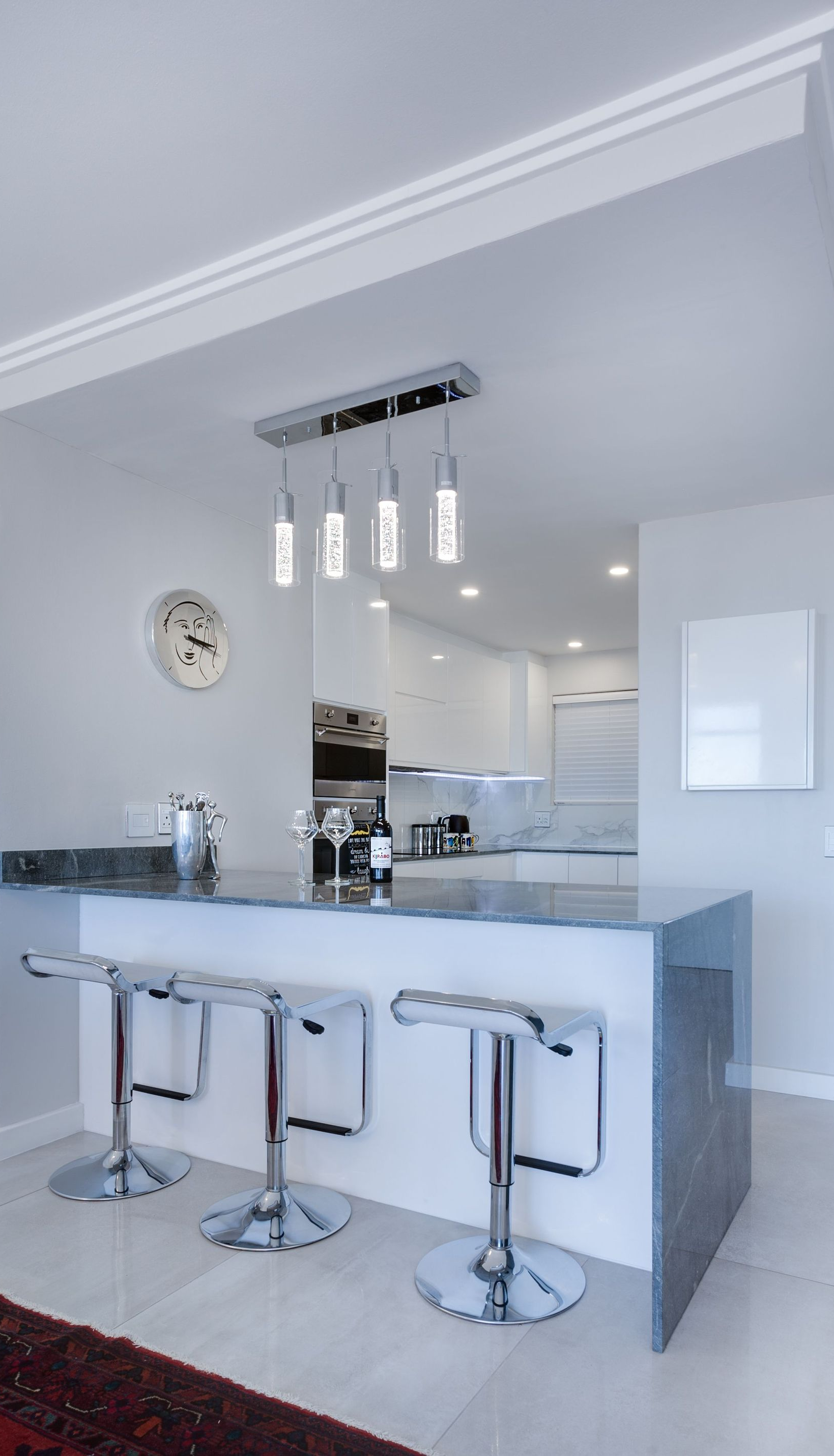
Fresh cabinets, new countertops, modern appliances, and updated lighting can immediately make a home feel more valuable and more move-in ready.
But buyers should be careful not to let one attractive room control the entire decision.
A renovated kitchen can be a major benefit, but it does not tell you everything about the condition of the rest of the property.
Cosmetic Updates Can Create Tunnel Vision
Buyers naturally respond to visible improvements. A polished kitchen is easy to appreciate because the value feels immediate.
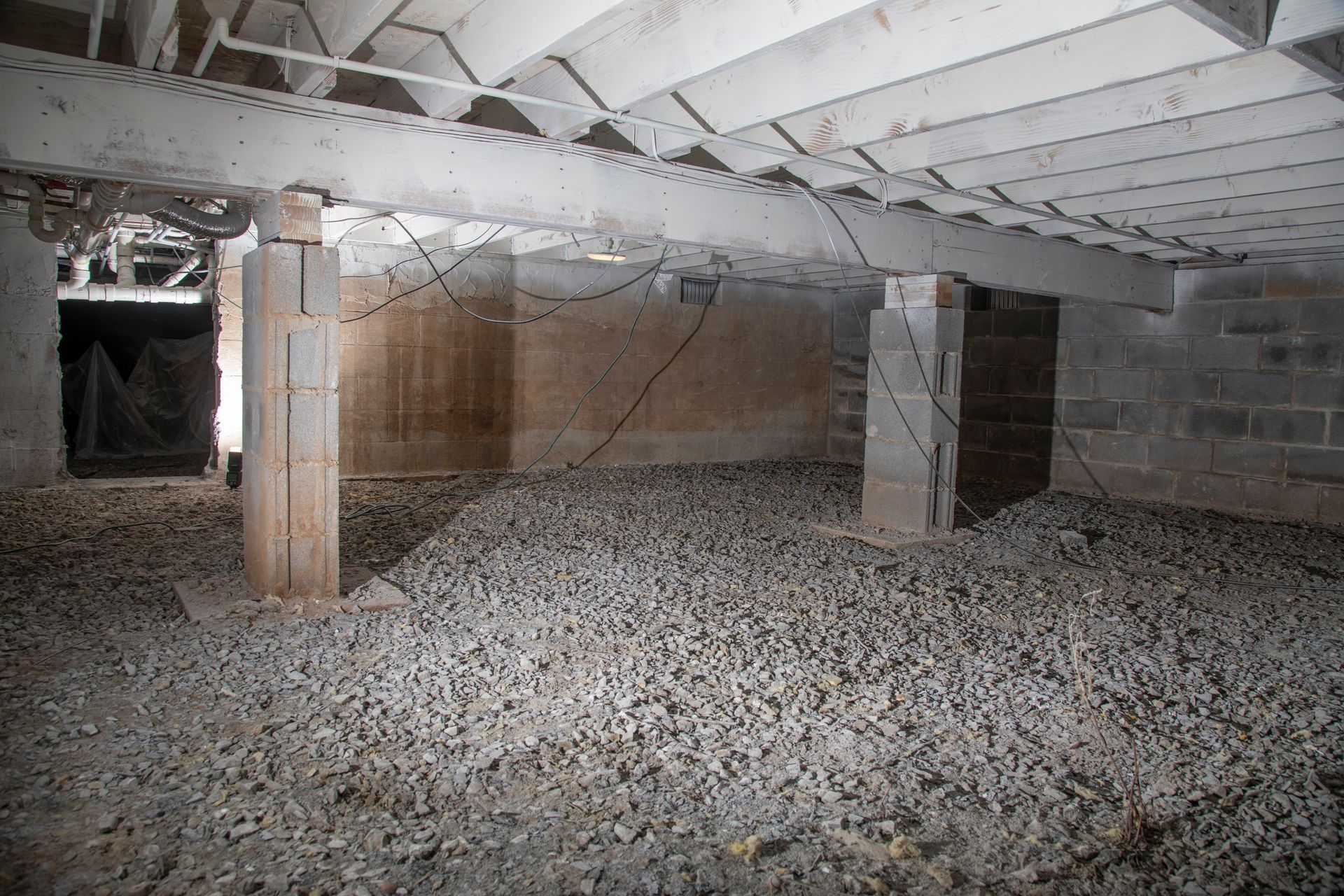
Older mechanical systems, drainage problems, deferred exterior maintenance, or structural concerns are less exciting and often harder to notice during a showing.
That is where tunnel vision can become a problem.
The kitchen may be beautiful while the roof, heating system, foundation, windows, or electrical components are approaching the end of their useful life. Those items can matter far more financially than a new backsplash or appliance package.
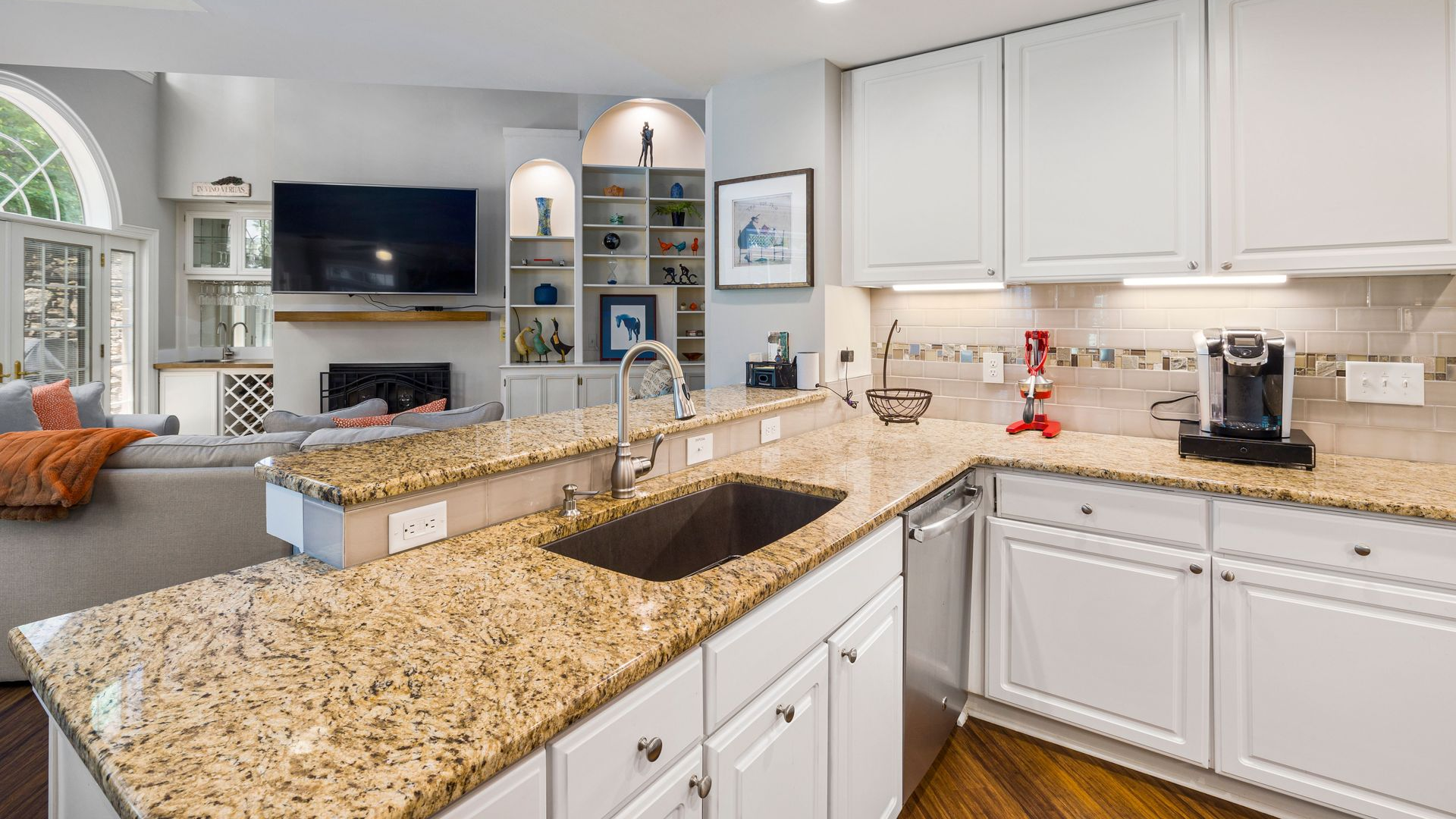
Look Beyond What Was Just Renovated
When a home has one dramatically updated area, ask what else has been improved.
Was the work part of a broader renovation, or was the kitchen the only major update?
A house with a new kitchen and old plumbing may still require significant future investment.
The same is true for an updated interior combined with worn siding, aging windows, an older roof, or a neglected driveway.
Broker/Owner Gregory Heineman of Trend 2000 Real Estate helps buyers evaluate the whole property rather than focusing only on the most visually impressive feature.
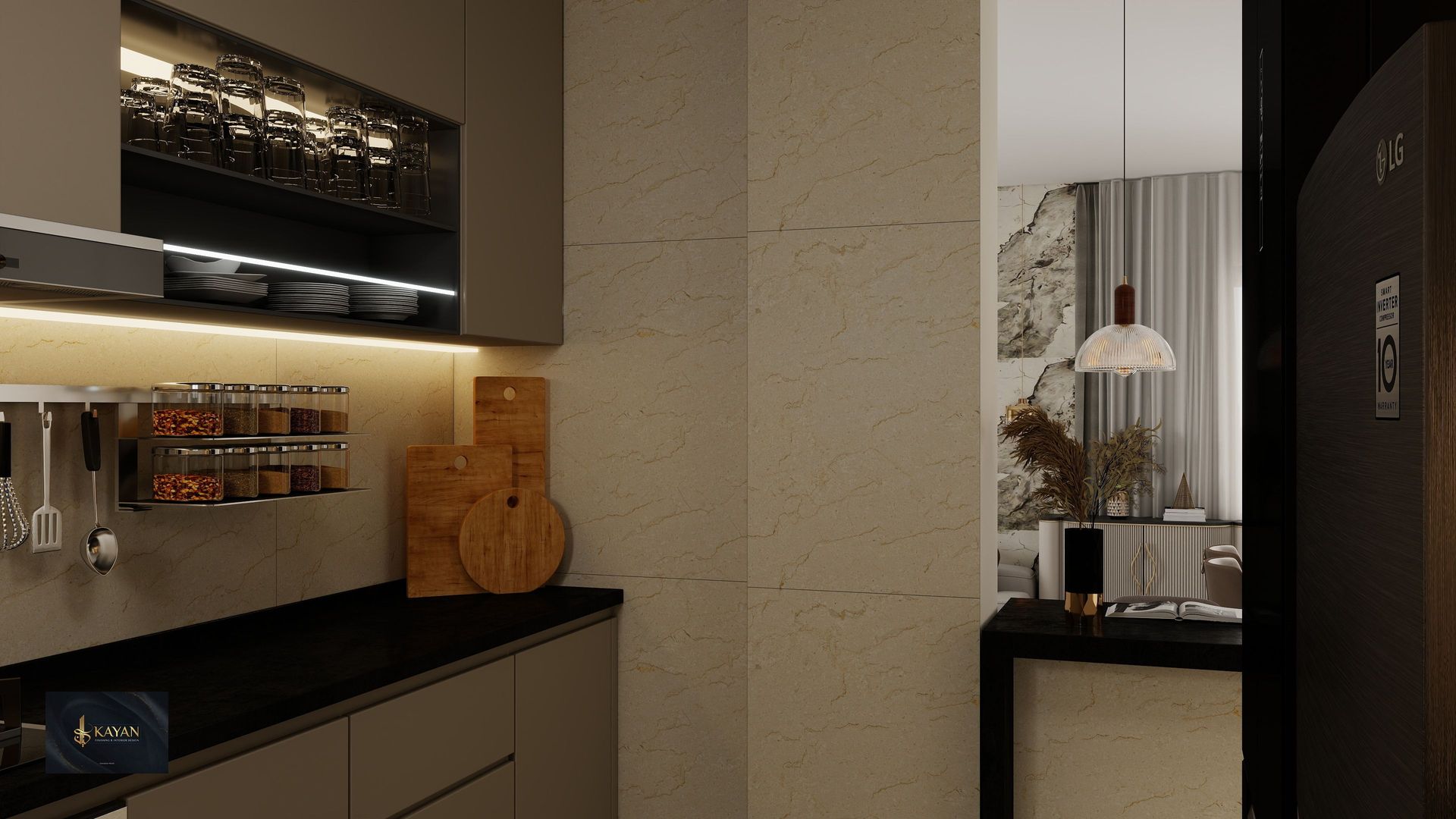
Ask When the Major Systems Were Last Updated
A showing is a good time to start asking practical questions.
When was the heating system installed?
Have the windows been replaced?
Has the electrical service been updated?
Is the property connected to public sewer and water, or does it rely on a well and septic system?
Those answers can help put the kitchen renovation into context.
A home with a new kitchen and well-maintained major systems may be a very different purchase from a home where nearly every other component needs attention.

Renovations Can Also Hide Workmanship Issues
Not every renovation is equal.
Some are carefully planned and professionally completed.
Others may be more cosmetic.
Buyers should pay attention to signs of rushed work, uneven finishes, questionable wiring, poor cabinet alignment, plumbing issues, or changes that appear to have been made without much attention to the surrounding structure.
The goal is not to assume that a renovation is a problem.
It is to avoid assuming that “new” automatically means “well done.”
A professional home inspection can provide important information about areas that are not obvious during a showing.
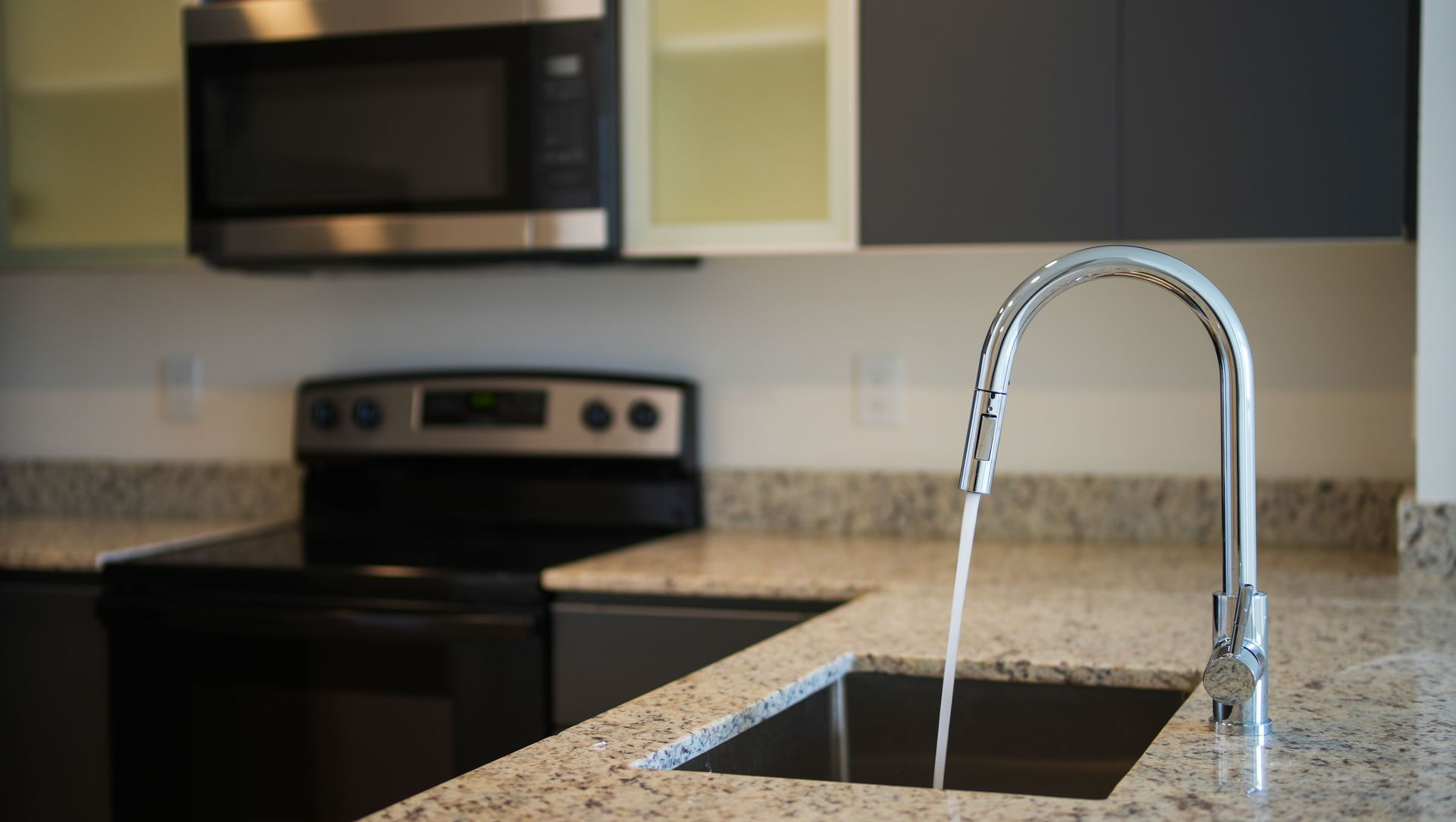
Price Should Reflect the Entire Property
A renovated kitchen can support a higher asking price, but buyers should still compare the property to recent sales and consider the overall condition of the home.
If the kitchen has been updated but the rest of the property needs significant work, the asking price should be evaluated accordingly.
Comparable sales also need interpretation.
Two homes with similar square footage may have very different values because of location, condition, systems, lot usability, renovations, and maintenance history.
This is where local experience becomes especially useful.
Gregory Heineman can help buyers understand how a property compares with other homes in Connecticut and Western Massachusetts beyond what is obvious in the listing photos.
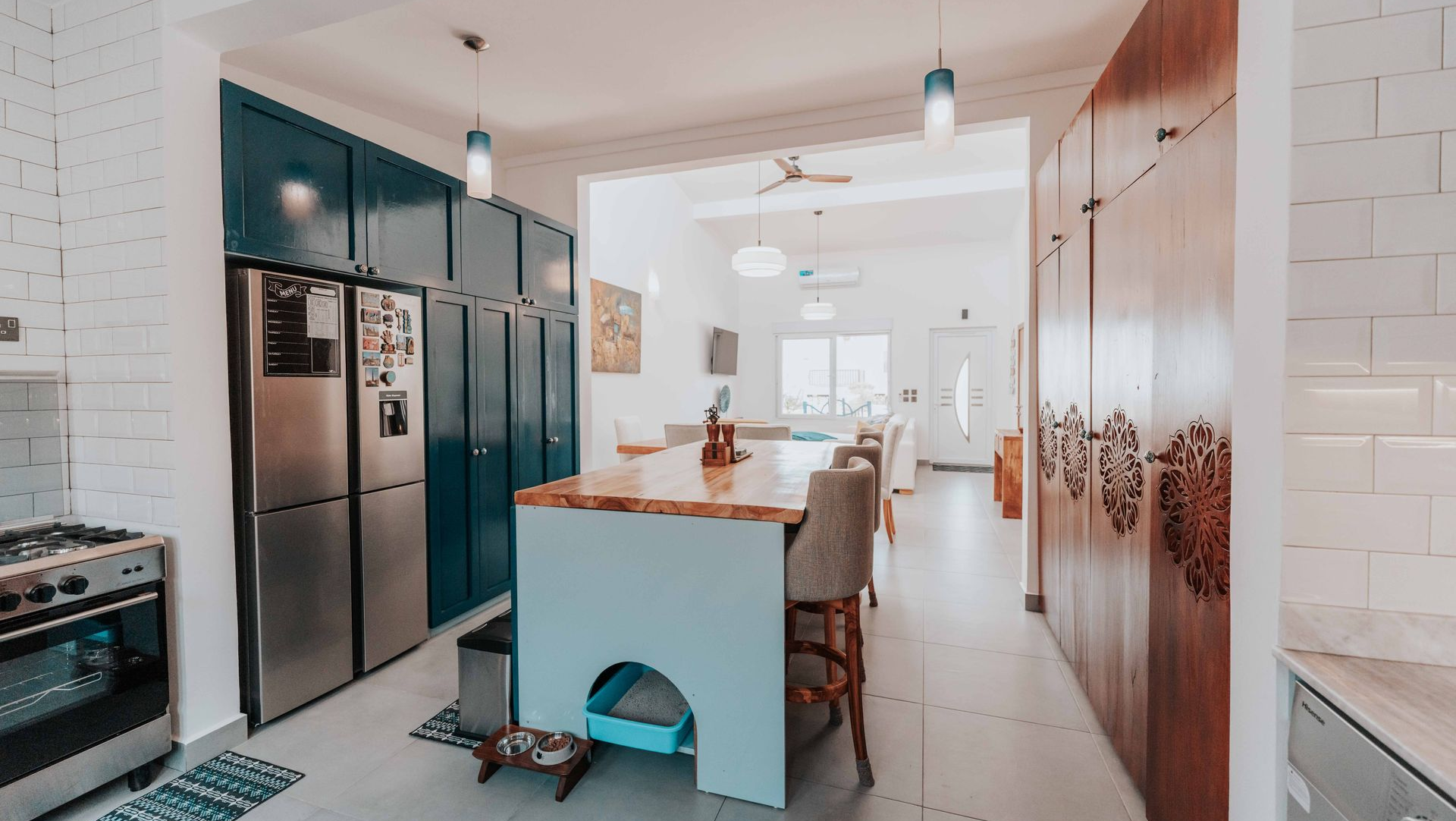
Think About the Next Five Years
A good buying decision should account for what the home may require after closing.
Will the roof need replacement soon?
Could an older heating system become a major expense?
Will the driveway, deck, septic system, or exterior need work?
An updated kitchen is appealing because the expense has already been handled.
But buyers should also consider the projects that may still be ahead.
That helps create a more realistic picture of the total cost of ownership.
Evaluate the Whole House
A beautiful kitchen can absolutely add value to a home.
It just should not be the only reason you fall in love with the property.
Look at the systems, exterior, foundation, layout, maintenance history, and future costs along with the visible improvements.
Trend 2000 Real Estate helps buyers throughout Connecticut and Western Massachusetts evaluate homes with a broader perspective. With Broker/Owner Gregory Heineman as an experienced local market resource, buyers can look beyond the finishes and make decisions based on the property as a whole.





 FREE CONSULTATION