
Why an Older Foundation Deserves Context, Not Immediate Panic
Older homes often come with features that can make buyers nervous.
The foundation is one of the biggest.
A visible crack, an uneven basement wall, or signs of past repair can quickly trigger concern that the entire property has a major structural problem.
Sometimes that concern is justified.
Other times, an older foundation simply needs to be evaluated in the context of the home's age, construction method, drainage, soil conditions, and repair history.
The key is not to ignore warning signs.
It is to understand what they actually mean.
Not Every Crack Tells the Same Story
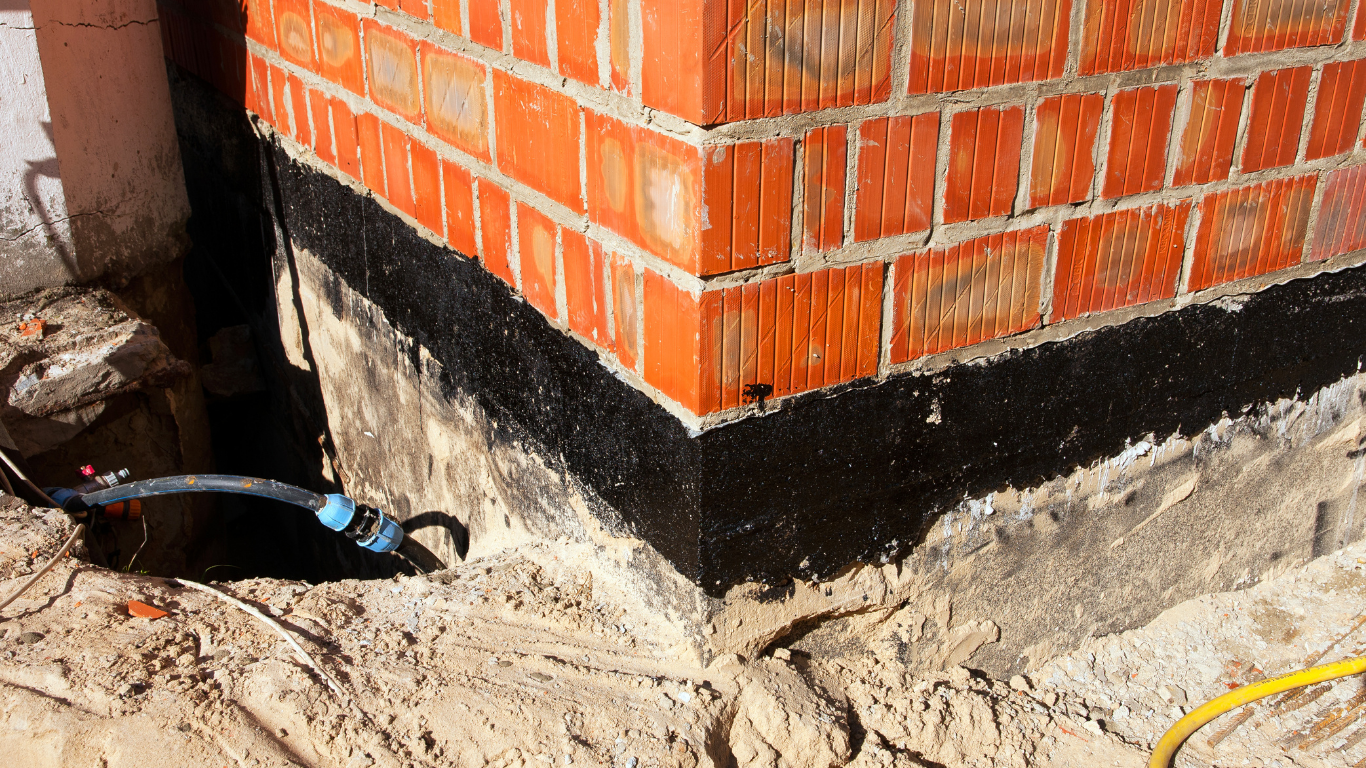
Foundation cracks can vary significantly.
Some are narrow and stable.
Others may indicate movement that deserves closer attention.
The direction, width, location, and whether the crack appears to be changing can all matter.
A small vertical crack is not automatically equivalent to a bowed wall or a large horizontal crack.
That is why buyers should avoid jumping to conclusions based on appearance alone.
An inspection can help determine whether the issue looks cosmetic, age-related, or potentially structural.
Older Homes Were Built Differently
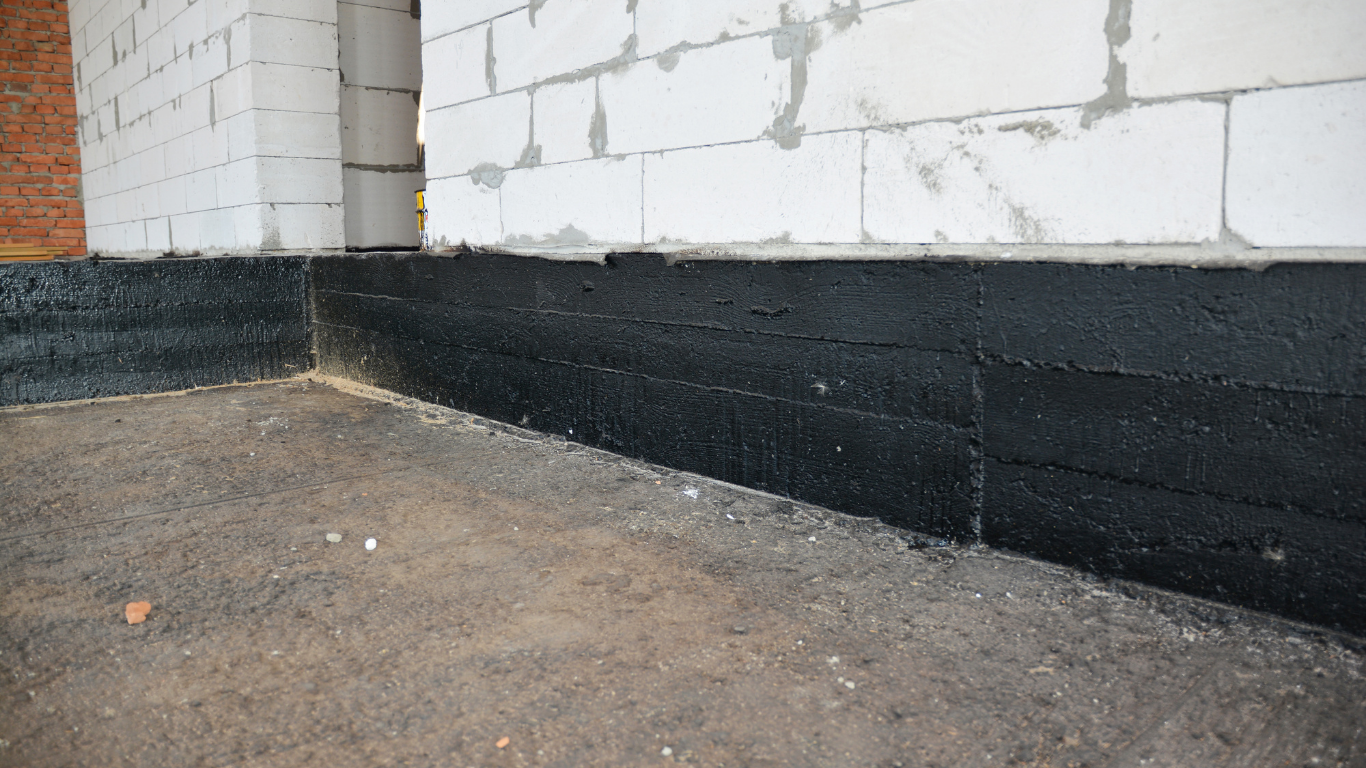
Many properties across Connecticut and Western Massachusetts were built decades ago using materials and construction methods that differ from newer homes.
Stone foundations, older poured concrete, block walls, and fieldstone basements all behave differently over time.
Some movement, mortar deterioration, or moisture entry may be relatively common in older construction.
That does not mean those conditions should be dismissed.
It means the home should be judged according to what it is rather than held to assumptions based on new construction.
Broker/Owner Gregory Heineman of Trend 2000 Real Estate can help buyers understand how local housing stock varies and when a condition deserves more investigation.

Water Is Often Part of the Conversation
Foundation concerns are not always about structural movement alone.
Drainage can play a major role.
Poor grading, clogged gutters, short downspouts, or water collecting near the house can contribute to basement moisture and increase pressure against foundation walls.
A damp basement may therefore require a broader look at the exterior of the property.
Where does roof water go?
Does the land slope toward or away from the house?
Are there signs of repeated seepage?
These questions can provide useful context before assuming the foundation itself is the only issue.
Look for Patterns, Not Just One Defect
One isolated crack tells less than a group of related symptoms.
Buyers should pay attention to whether foundation concerns appear alongside sticking doors, uneven floors, gaps around windows, wall movement, or repeated patching in the same area.
A pattern may suggest that additional evaluation is warranted.
On the other hand, an older house may have settled long ago and remained stable ever since.
That is why repair history can be valuable.
Ask what work was done, when it was completed, and whether the condition has changed since.

Bring in the Right Professional
A general home inspection can identify visible concerns, but certain conditions may justify additional evaluation by a structural engineer, foundation specialist, or other qualified professional.
That extra step can help buyers make a decision based on information rather than fear.
It can also clarify whether the issue is something to monitor, repair, negotiate, or walk away from.
The goal is not to eliminate every imperfection. The goal is to understand the risk.
Foundation Issues Can Affect Negotiation
If an inspection reveals a significant concern, that information may become part of the negotiation.
The buyer may request repairs, seek a credit, adjust the offer, or decide the property no longer makes sense.
The right response depends on the severity of the condition, the cost of addressing it, and the overall value of the home.
Gregory Heinemann's experience in Connecticut and Western Massachusetts markets can help buyers weigh those factors within the larger transaction rather than reacting to one finding in isolation.

Understand the House Before Judging It
An older foundation deserves attention.
It does not always deserve panic.
Trend 2000 Real Estate helps buyers evaluate homes with a broader view of condition, age, location, value, and long-term usability.
With guidance from Broker/Owner Gregory Heineman, buyers can approach older properties with the right questions, the right inspections, and a better understanding of what a foundation issue actually means.
The goal is not to find a perfect house.
It is to make an informed decision about the one in front of you.






 FREE CONSULTATION