
What Buyers Should Look for Beyond Square Footage
Square footage is one of the first numbers buyers compare when looking at homes, but it does not always tell you how large, comfortable, or functional a house will actually feel.
Two homes with the same listed square footage can live very differently. One may have an efficient layout with useful storage and well-proportioned rooms, while another may devote too much space to hallways, awkward additions, or rooms that are difficult to furnish.
For buyers in
Connecticut and
Western Massachusetts, looking beyond the total number can lead to a more informed decision.
Layout Matters More Than the Total
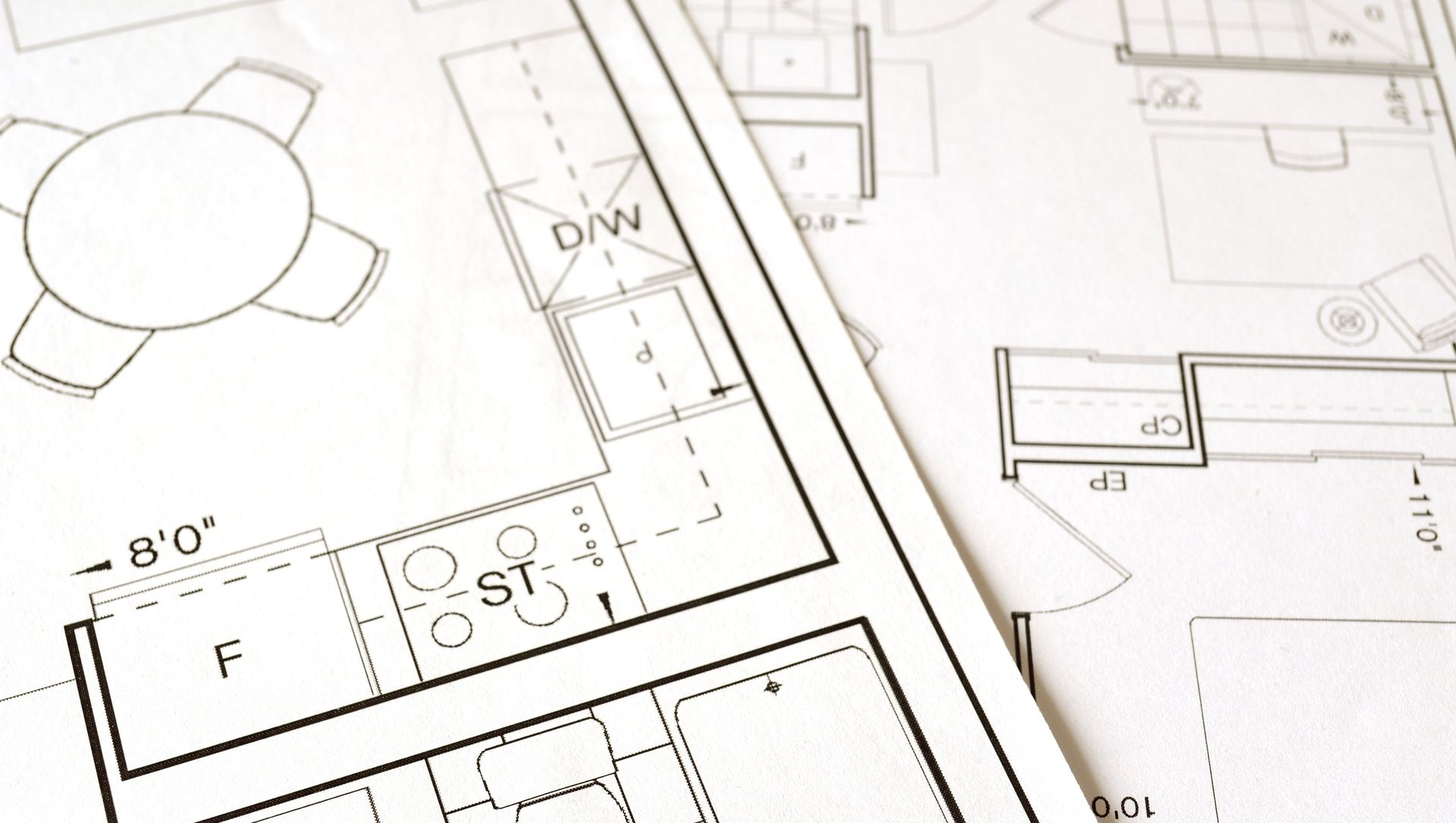
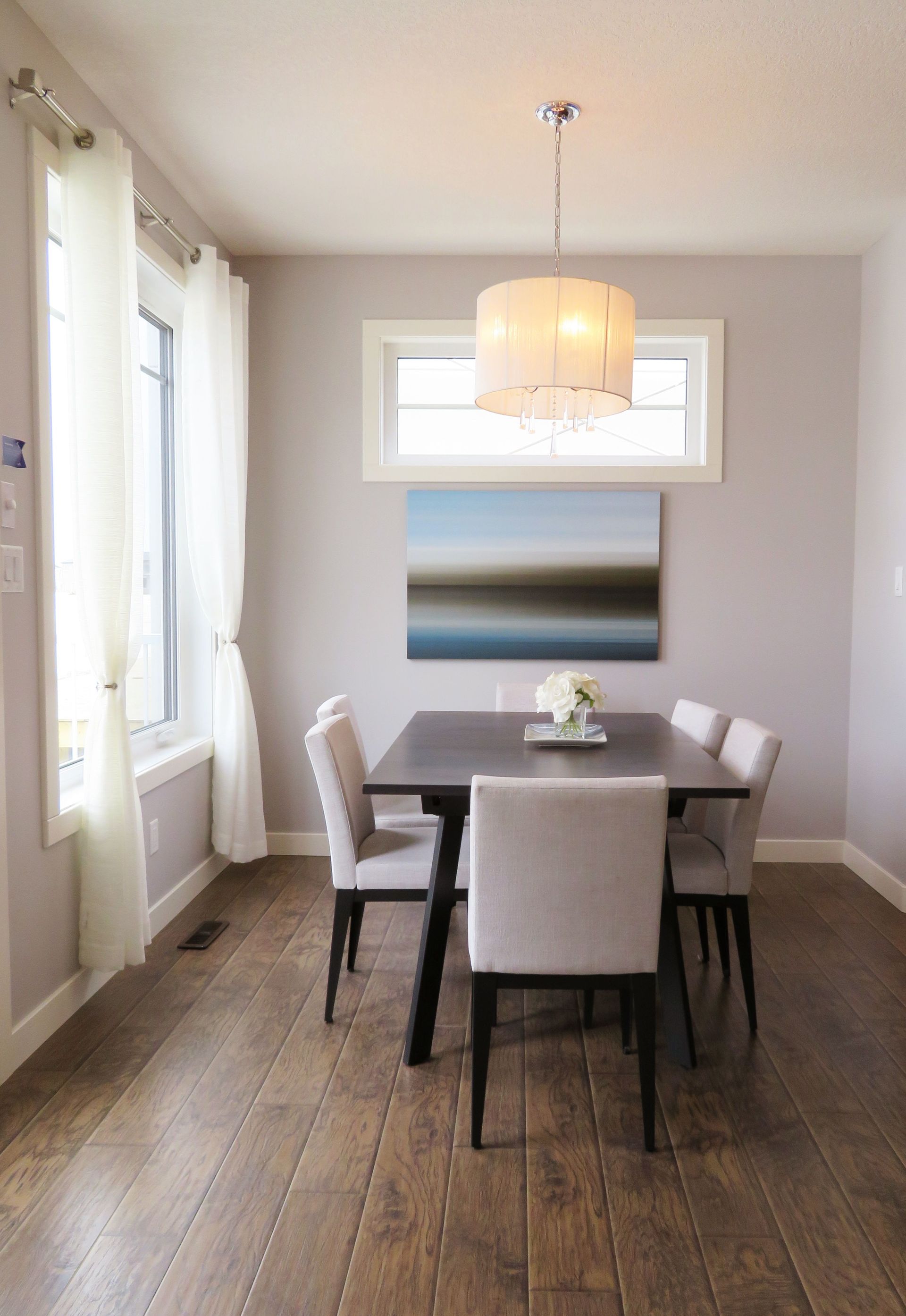
A well-designed floor plan can make a smaller home feel more useful than a larger one.
Pay attention to how rooms connect and whether the layout supports everyday movement.
Can you get from the kitchen to the dining area easily? Is the laundry located in a practical place? Do bedrooms have enough privacy? Is there a clear path between the main living spaces?
Square footage measures area, but it does not measure efficiency.
A house with fewer wasted spaces may function better even if the total number is lower.

Room Proportions Affect Comfort
Large rooms are not always better.
A living room may have generous dimensions but still be difficult to furnish if doorways, windows, fireplaces, or traffic paths occupy too much wall space.
The same is true for bedrooms.
A room may technically meet size expectations but feel cramped once a bed, dresser, and other furniture are added.
During a showing, think about how your existing furniture would fit rather than relying only on measurements.
Storage Can Change How a Home Feels
Storage is one of the most overlooked differences between homes with similar square footage.
Closets, pantries, basement storage, garages, mudrooms, and built-ins can make a major difference in day-to-day livability.
A home with excellent storage may stay organized more easily, while a larger house with limited storage can feel crowded.
Older New England homes can vary considerably in this area, so it is worth checking closets and storage spaces carefully rather than assuming they will meet modern expectations.
Ceiling Height Influences Perception
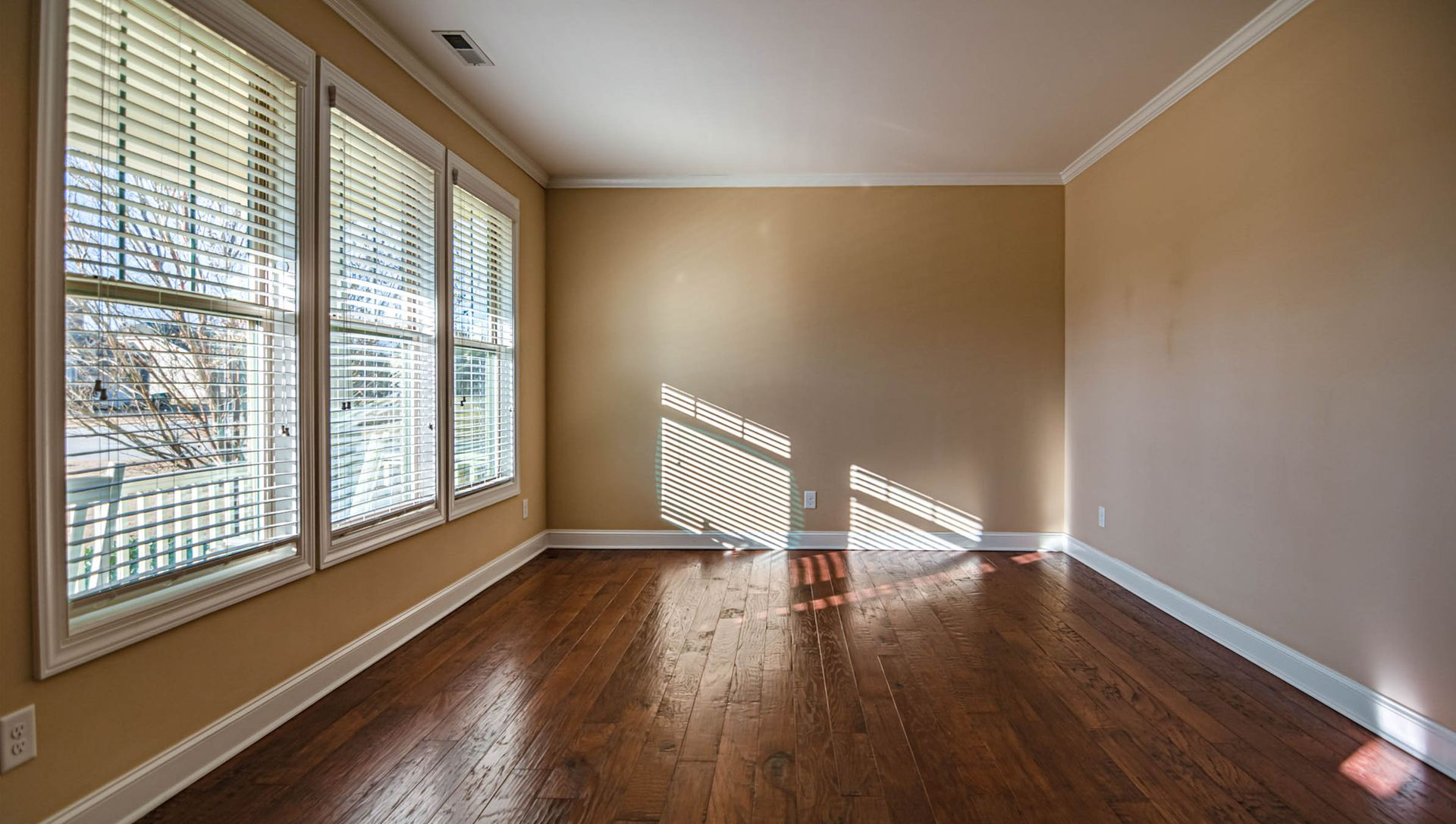
Ceiling height can affect how spacious a room feels even when the floor area is modest.
Higher ceilings can make a room feel more open, while lower ceilings may create a more compact or intimate atmosphere.
Neither is automatically better.
The important question is whether the proportions feel comfortable for the way you want to use the space.
Natural light, window placement, and ceiling height often work together to shape that impression.
Finished Basements Need Context
Buyers sometimes focus heavily on finished basement square footage.
A finished lower level can add useful space for recreation, work, storage, or hobbies, but it may not function the same way as above-grade living space.
Consider ceiling height, natural light, moisture history, access, heating, and how the room will actually be used.
A finished basement can be valuable, but it should be evaluated for quality and practicality rather than simply added mentally to the main living area.
Lot and Outdoor Space Matter Too
The usefulness of a property extends beyond the walls of the house.
A smaller home with a better yard, more privacy, useful parking, or stronger outdoor living potential may fit your lifestyle better than a larger house on a less functional lot.
Driveway layout, slope, drainage, and proximity to neighboring homes can all influence how the property feels.
These factors do not appear in the square-footage number, but they can strongly affect long-term satisfaction.

Focus on How the Home Lives
The most useful question is not simply, “How big is this house?”
It is, “How well does this house work for me?”
Broker/Owner Gregory Heinemann of Trend 2000 Real Estate brings experienced local knowledge to buyers throughout Connecticut and Western Massachusetts. He can help you compare homes based on layout, condition, location, lot characteristics, resale considerations, and overall value rather than relying on one number alone.
When evaluating your next home, use square footage as a starting point, not the final decision. Contact Trend 2000 Real Estate to work with Gregory Heinemann and find a property that offers the right combination of space, function, and long-term fit.







 FREE CONSULTATION