What Smart Buyers Do Before They Ever Start Looking at Homes

April 8, 2026

For many buyers, the home search begins with online listings. It is easy to scroll through photos, compare properties, and imagine possibilities. However, experienced buyers understand that the most important work happens before that first showing is ever scheduled.


Preparation is what separates a smooth, successful purchase from a stressful and uncertain process. Taking the right steps early can make every decision that follows more confident and informed.
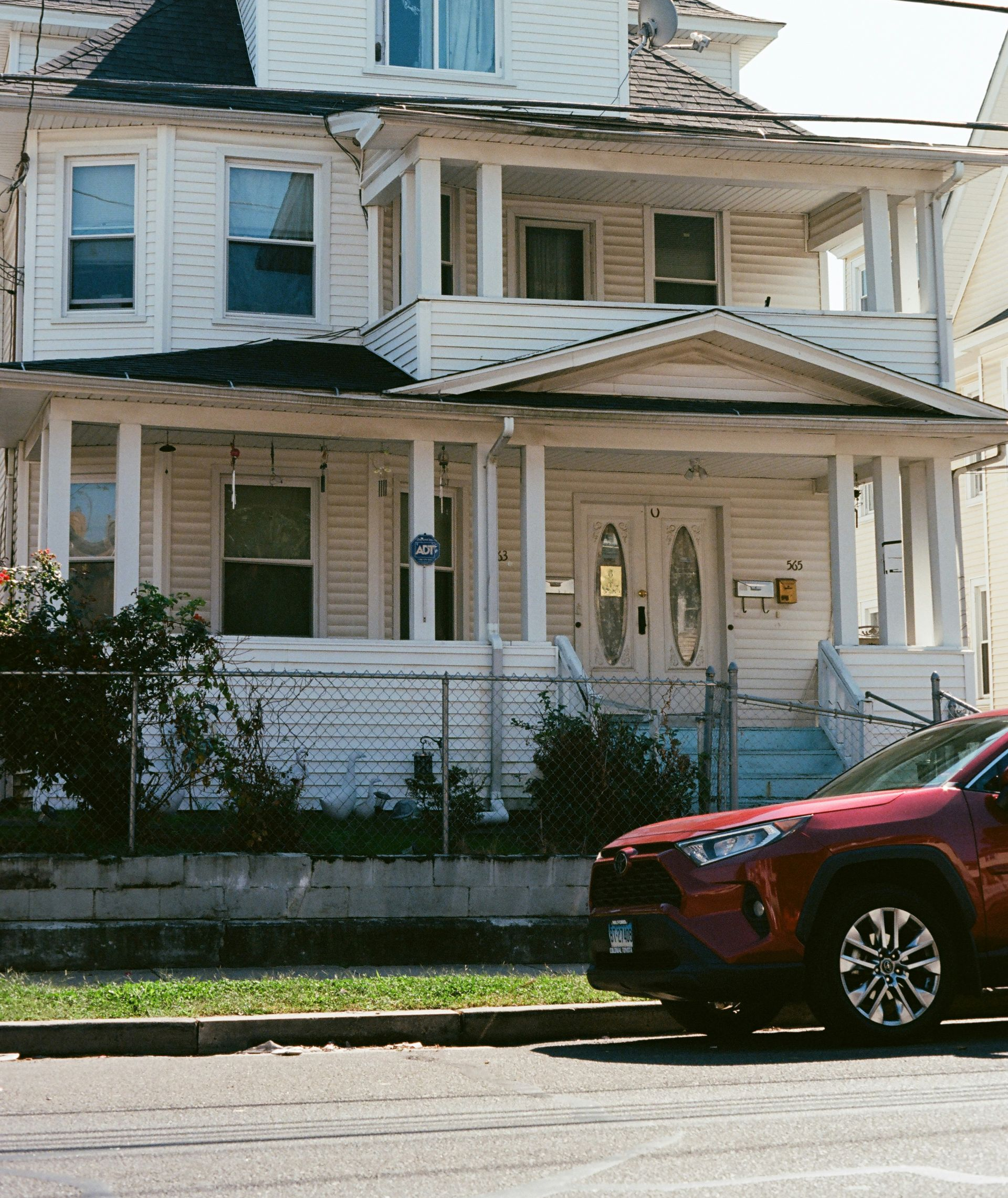
Two gray, multi-story apartment buildings flanking a large pine tree on a sunny day with a path between them.

Clarifying Goals Before the Search Begins

One of the first things smart buyers do is define what they are actually looking for. This goes beyond basic preferences and focuses on how a home fits into long-term plans.


Buyers often consider:

  • How long they plan to stay in the home
  • What features are essential versus optional
  • How the location supports their lifestyle

Without this clarity, it is easy to become distracted by properties that look appealing but do not align with practical needs.


Understanding Financial Position

Before looking at homes, experienced buyers take time to understand their financial situation. This includes more than just determining a price range. It involves evaluating what is comfortable and sustainable.


Key considerations may include:

  • Monthly budget and long-term affordability
  • Down payment options
  • Estimated closing costs and ongoing expenses

This step helps ensure that the search is focused on properties that make sense financially, not just visually.

A rectangular swimming pool with blue water sits on a light gray stone patio beside a modern white house and palm trees.

Securing Pre-Approval

Pre-approval is one of the most important steps a buyer can take early in the process. It provides a clear understanding of borrowing capacity and signals to sellers that the buyer is serious.


More importantly, pre-approval allows buyers to:

  • Act quickly when the right property becomes available
  • Avoid delays during the offer process
  • Strengthen their position in negotiations

In competitive situations, this preparation can make a meaningful difference.

A hand holds keys with a house-shaped keychain in front of a staircase in a modern, light-filled interior.

Learning the Local Market

Real estate markets vary widely by location. Smart buyers take time to understand how the market behaves in the areas they are considering.


This includes:

  • Typical pricing trends
  • Average time homes stay on the market
  • Level of competition for similar properties

Working with an experienced broker such as Greg Heineman provides valuable insight into these local dynamics. With decades of experience in Connecticut and Massachusetts, Greg Heineman helps buyers interpret market conditions and adjust their approach accordingly.

A two-story blue house with white trim and a dark roof, situated on a grassy hill with trees and a parked car.

Identifying Potential Trade-Offs

Every home purchase involves some level of compromise. Experienced buyers recognize this early and prepare for it. Rather than searching for a perfect property, they focus on finding the right balance.


This may involve prioritizing:

  • Location over square footage
  • Layout over cosmetic features
  • Long-term potential over immediate perfection

Understanding these trade-offs in advance helps buyers make decisions more efficiently.


Avoiding Emotional Decision-Making

It is easy to become emotionally attached to a property, especially during the early stages of a search. Smart buyers remain aware of this and approach each opportunity with a level of objectivity.


This does not mean ignoring personal preferences. Instead, it involves:

  • Evaluating each property against defined criteria
  • Considering long-term value rather than short-term appeal
  • Staying focused on overall goals

This mindset can help prevent rushed decisions that may not align with broader plans.
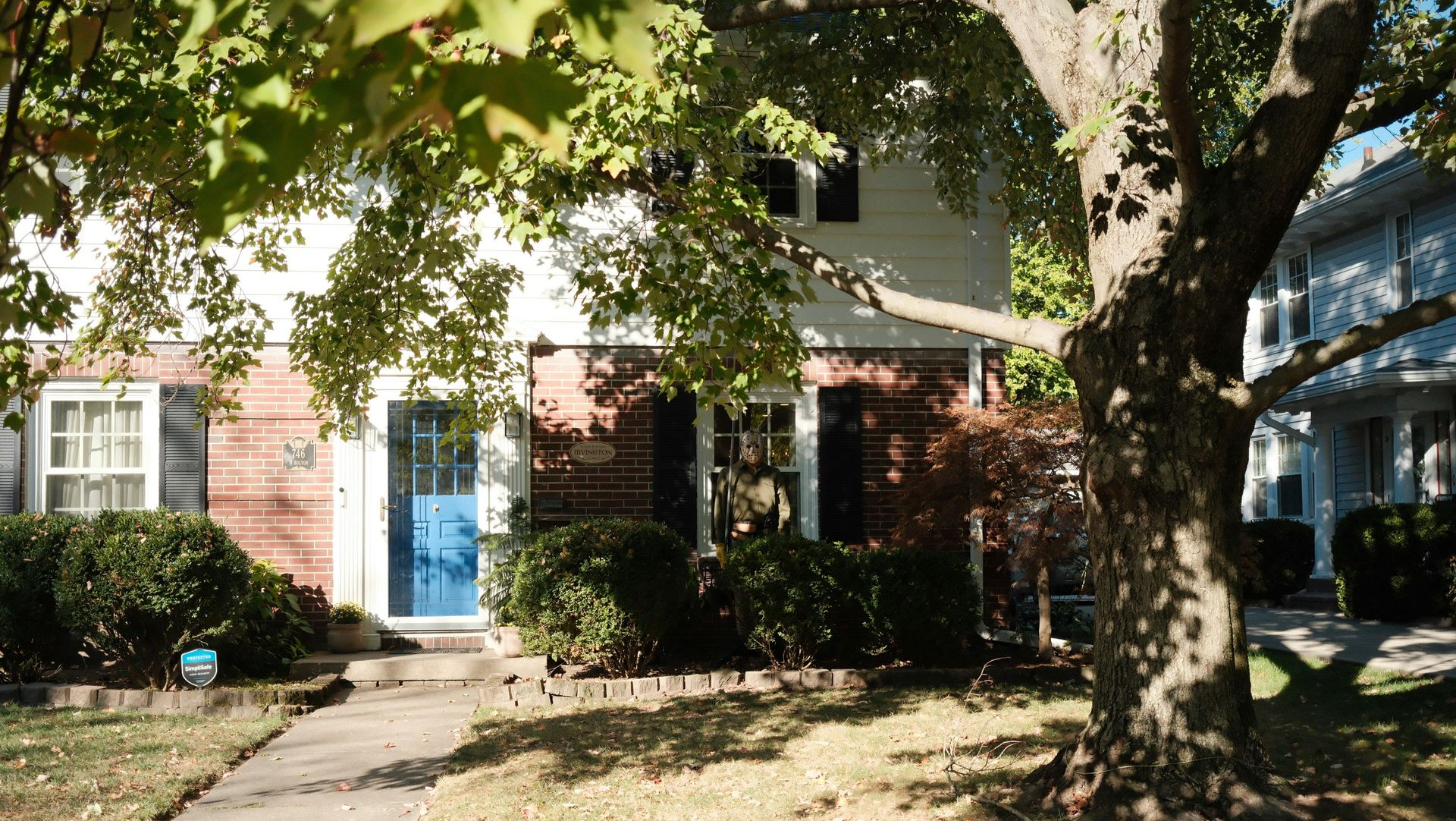
A two-story brick and white home with a blue front door, surrounded by green shrubs and a large tree in the front yard.

Building the Right Team Early

Experienced buyers understand the value of working with professionals from the beginning. Establishing relationships early in the process provides access to guidance and support when it is needed most.


A knowledgeable broker can help:

  • Identify suitable properties
  • Provide market insight
  • Navigate negotiations and closing steps

With leadership from Greg Heineman, Trend 2000 Real Estate offers buyers the benefit of experience and a strategic approach to the entire process.


A Smarter Start Leads to Better Outcomes

The home search is only one part of the buying process. The steps taken before that search begins often have the greatest impact on the final result.


By preparing early, understanding the market, and working with experienced professionals, buyers can move forward with greater clarity and confidence.


Trend 2000 Real Estate, led by Greg Heineman, provides the guidance and expertise needed to help buyers start strong and make informed decisions. Contact Trend 2000 Real Estate today to begin your home buying journey with a clear plan and trusted support.


A couple stands in a doorway carrying a cardboard box and a potted plant, looking excited while moving into a new home.
A cream-colored cottage with a front porch, tall white columns, a triangular pediment, and a lush green lawn.
A weathered, white, two-story house with a front porch, chain-link fence, and a red car parked in front.
A brick house with a dark gabled roof stands behind a large, leafy tree next to a rural road under a cloudy sky.
A hand holds a silver key attached to a house-shaped keychain above a brown wallet and scattered coins.
A quiet, narrow road lined with red-brick houses under a clear blue sky, framed by autumn trees with fallen leaves.
August 21, 2026
Older homes are a major part of the character of Connecticut and Western Massachusetts. Many offer craftsmanship, mature landscaping , distinctive architecture, and locations in established communities that newer construction cannot easily replicate. At the same time, buying an older property requires a different level of evaluation. For buyers, the goal is not to avoid older homes. It is to understand where age can affect maintenance, systems, and future costs. Trend 2000 Real Estate helps buyers evaluate homes with local context so they can make informed decisions before moving forward. Older Does Not Automatically Mean Problematic Age alone does not determine whether a home is in good condition. A well-maintained 80-year-old house may be in better shape than a much newer property that has been neglected. What matters is how the home has been maintained, updated, and repaired over time. Buyers should look beyond the year built and focus on the condition of major components such as the roof, foundation, electrical system, plumbing, heating system, windows, and exterior.
August 12, 2026
Moving to a new state involves more than finding a house that looks good online. Buyers also need to understand local pricing, taxes, commuting patterns, neighborhood differences, housing styles, and the pace of the market. Those factors can vary significantly from one community to another, even within the same region. For buyers relocating to Connecticut or Western Massachusetts, local market knowledge can make the home search more efficient and help reduce surprises. An experienced real estate professional can provide context that online listings and automated estimates often cannot. Every Market Has Its Own Patterns Real estate is highly loca l. Two towns located only a short drive apart can have very different home prices, inventory levels, property taxes, lot sizes, school districts, and buyer demand. A buyer relocating from another state may assume that pricing or market behavior will be similar to what they are accustomed to. That is not always the case.  Some communities may have competitive conditions where desirable homes receive quick interest, while nearby areas may offer buyers more time and negotiating flexibility. Understanding these differences helps buyers set realistic expectations before making an offer.
August 5, 2026
When people begin searching for a new home, the house itself is only part of the decision. The surrounding community often plays an equally important role in determining whether a property feels like the right fit. Neighborhood character, nearby amenities, schools, transportation, and opportunities for recreation all contribute to a community’s long-term appeal. Understanding these factors can help buyers make a more informed decision and choose a location that supports both their current lifestyle and future goals.  For buyers throughout Connecticut and Western Massachusetts, finding the right community is just as important as finding the right home. Gregory Heinemann, Broker/Owner of Trend 2000 Real Estate , has helped countless clients evaluate not only properties but also the neighborhoods and communities that best match their needs. Convenient Access to Everyday Essentials One of the first things many homebuyers consider is convenience. Easy access to grocery stores, healthcare providers, restaurants, shopping centers, and other everyday services can make daily life more efficient and enjoyable. Transportation is another important consideration. Proximity to major highways, public transportation, or employment centers may influence a buyer’s decision, particularly for commuters. At the same time, some buyers intentionally seek quieter communities that offer a slower pace while still providing reasonable access to nearby cities. Finding the right balance between convenience and lifestyle is different for every household.
More Posts