
What Informed Buyers and Sellers Do Differently

April 15, 2026

Real estate transactions involve more than selecting a property or listing a home for sale. The difference between a smooth, successful experience and a stressful one often comes down to preparation, awareness, and decision-making. Informed buyers and sellers approach the process with a clear understanding of what to expect and how to respond at each stage.


This level of preparation can significantly influence both the experience and the outcome of a transaction.

A gray shingled house with white trim and a wrap-around porch stands in a sunny, green lawn during the daytime.

They Start With a Clear Understanding of the Market

One of the first things informed buyers and sellers do is take time to understand current market conditions. Real estate markets shift based on supply, demand, and broader economic factors.


Rather than relying on assumptions, informed individuals:

  • Review recent comparable sales
  • Understand local pricing trends
  • Recognize whether conditions favor buyers or sellers

This knowledge helps set realistic expectations and supports better decision-making from the beginning.
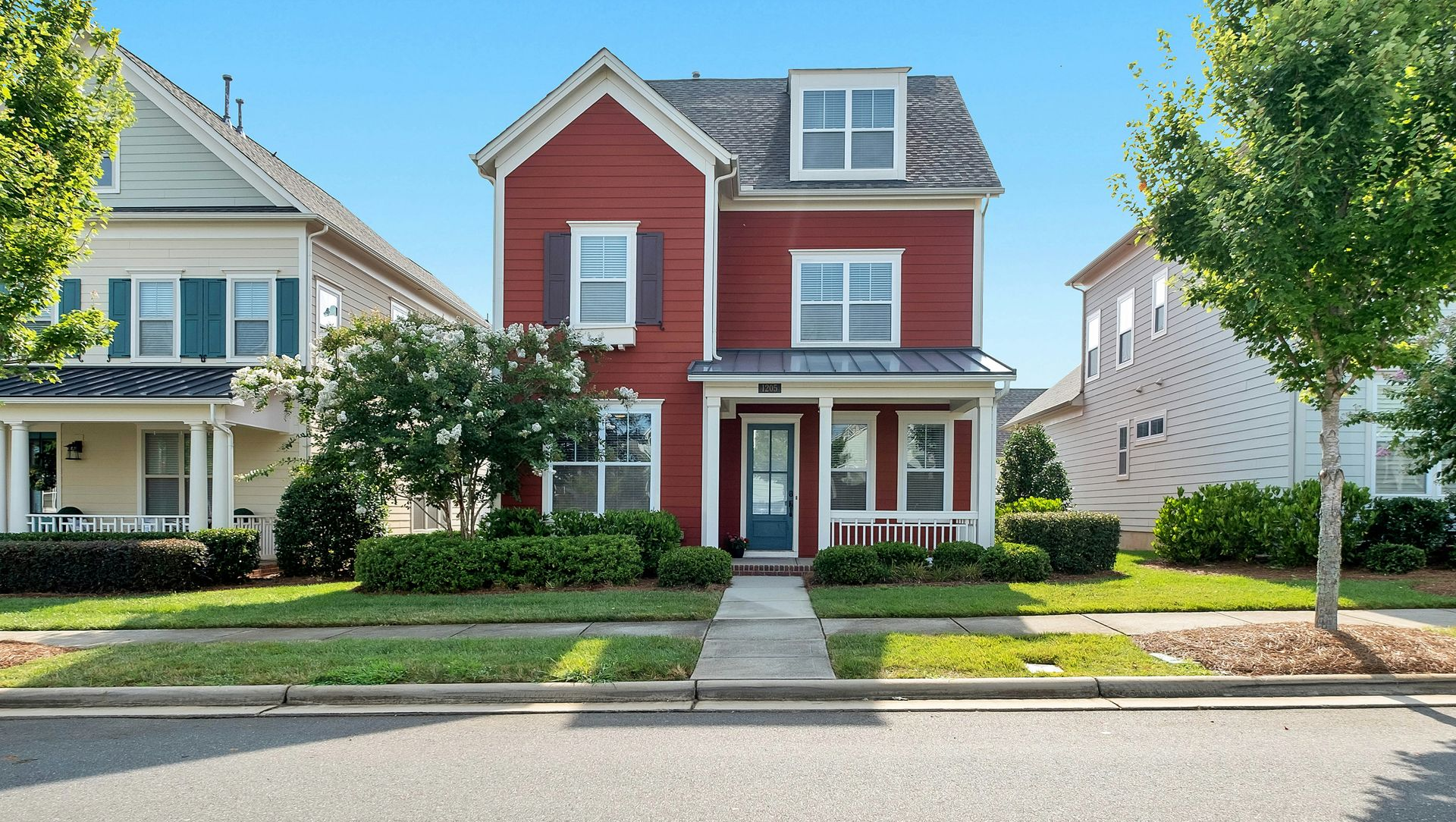
A red suburban house stands between two lighter-colored houses on a sunny street with green trees and lawns.

They Define Goals Early

Clarity is a key advantage in any real estate transaction. Informed buyers and sellers begin by identifying their priorities before taking action.


For buyers, this may include:

  • Budget range and financing considerations
  • Preferred location and property features
  • Long-term plans for the property

For sellers, it often involves:

  • Target sale price
  • Desired timeline
  • Level of flexibility during negotiations

Having defined goals allows each step of the process to align with a clear objective.

A beige brick house with a dark roof sits on a well-manicured lawn under a cloudy blue sky.

They Rely on Professional Guidance

Real estate transactions involve multiple steps, including pricing, negotiation, inspection, and closing. Informed buyers and sellers recognize the value of working with experienced professionals throughout the process.


Guidance from a knowledgeable brokerage can help:

  • Interpret market data accurately
  • Identify potential risks or opportunities
  • Navigate negotiations more effectively

Trend 2000 Real Estate, led by Broker/Owner Greg Heineman, brings a consultative approach to each transaction. His experience in the Connecticut and Massachusetts markets provides clients with insights that support more confident decisions.

a two story gray house

They Approach Decisions With a Long-Term Perspective

Informed participants look beyond immediate outcomes. Buyers consider how a property will meet their needs over time, while sellers evaluate how pricing and timing affect overall results.


This long-term perspective helps:

  • Avoid rushed decisions
  • Balance short-term preferences with future value
  • Support more strategic planning

Real estate decisions often have lasting implications, making this approach especially important.


They Understand the Importance of Timing

Timing plays a critical role in both buying and selling. Market conditions, inventory levels, and seasonal trends can all influence how quickly a property sells or how competitive the buying process becomes.


Informed buyers and sellers:

  • Monitor market activity
  • Adjust their approach based on current conditions
  • Recognize when to act and when to wait

This awareness allows them to respond more effectively to changing circumstances.

A person's hand holding a small black model house against a blurry green foliage background.

They Communicate Clearly and Consistently

Communication is essential throughout a real estate transaction. Informed individuals stay engaged, ask questions, and respond promptly to new information.


This helps:

  • Prevent misunderstandings
  • Keep the process moving forward
  • Ensure that all parties remain aligned

Clear communication supports a more efficient and predictable experience.


A More Strategic Approach to Real Estate

The difference between a standard transaction and a successful one often comes down to preparation, awareness, and guidance. Informed buyers and sellers take a proactive approach, allowing them to navigate each stage with greater confidence.


Trend 2000 Real Estate provides the experience and market insight needed to support informed decision-making. Under the leadership of Greg Heineman, clients receive personalized guidance tailored to their goals and local market conditions.


If you are planning to buy or sell a property, contact Trend 2000 Real Estate to work with a team that prioritizes knowledge, strategy, and results.


A hand holds a green key on a keyring shaped like a small house.
View through an arched doorway into a sunlit living room featuring a blue armchair, white bookshelf, and patterned rug.
high rise apartments
A brick house with a dark gabled roof stands behind a large, leafy tree next to a rural road under a cloudy sky.
A hand holds a silver key attached to a house-shaped keychain above a brown wallet and scattered coins.
A road through a neighborhood
August 25, 2026
Fieldstone foundations are a familiar feature in many older homes throughout Connecticut and Western Massachusetts. Built from natural stone and mortar, these foundations often reflect the construction methods and materials available when the home was originally built. For buyers, a fieldstone foundation is not automatically a reason for concern. Many have supported homes successfully for generations. However, they should be evaluated carefully because age, moisture, drainage, and previous repairs can all affect their condition. Why Fieldstone Foundations Are Common in New England Before poured concrete became standard, builders often used locally available stone for foundations. The stones were stacked and fitted together, with mortar filling the joints. Because the materials were readily available and durable, this method was widely used throughout New England. As a result, many antique and early twentieth-century homes still sit on fieldstone foundations today.  The irregular appearance can look very different from a modern concrete basement wall, but appearance alone does not determine whether the foundation is performing properly.
August 21, 2026
Older homes are a major part of the character of Connecticut and Western Massachusetts. Many offer craftsmanship, mature landscaping , distinctive architecture, and locations in established communities that newer construction cannot easily replicate. At the same time, buying an older property requires a different level of evaluation. For buyers, the goal is not to avoid older homes. It is to understand where age can affect maintenance, systems, and future costs. Trend 2000 Real Estate helps buyers evaluate homes with local context so they can make informed decisions before moving forward. Older Does Not Automatically Mean Problematic Age alone does not determine whether a home is in good condition. A well-maintained 80-year-old house may be in better shape than a much newer property that has been neglected. What matters is how the home has been maintained, updated, and repaired over time. Buyers should look beyond the year built and focus on the condition of major components such as the roof, foundation, electrical system, plumbing, heating system, windows, and exterior.
August 12, 2026
Moving to a new state involves more than finding a house that looks good online. Buyers also need to understand local pricing, taxes, commuting patterns, neighborhood differences, housing styles, and the pace of the market. Those factors can vary significantly from one community to another, even within the same region. For buyers relocating to Connecticut or Western Massachusetts, local market knowledge can make the home search more efficient and help reduce surprises. An experienced real estate professional can provide context that online listings and automated estimates often cannot. Every Market Has Its Own Patterns Real estate is highly loca l. Two towns located only a short drive apart can have very different home prices, inventory levels, property taxes, lot sizes, school districts, and buyer demand. A buyer relocating from another state may assume that pricing or market behavior will be similar to what they are accustomed to. That is not always the case.  Some communities may have competitive conditions where desirable homes receive quick interest, while nearby areas may offer buyers more time and negotiating flexibility. Understanding these differences helps buyers set realistic expectations before making an offer.
More Posts