
How Buyers Should Think About a Home Five Years From Now
When searching for a home, it is easy to focus entirely on immediate needs. Buyers naturally think about current routines, commute times, storage space, or the appearance of the property. While these factors are important, long-term planning is just as valuable. A home that works well today should also support the buyer’s lifestyle several years into the future.
At Trend 2000 Real Estate, we encourage buyers to think beyond the initial purchase and consider how a property may fit their needs five years from now. Gregory Heineman, Broker/Owner, often emphasizes that long-term thinking helps buyers make more confident and practical real estate decisions.
Lifestyle Changes Are Inevitable
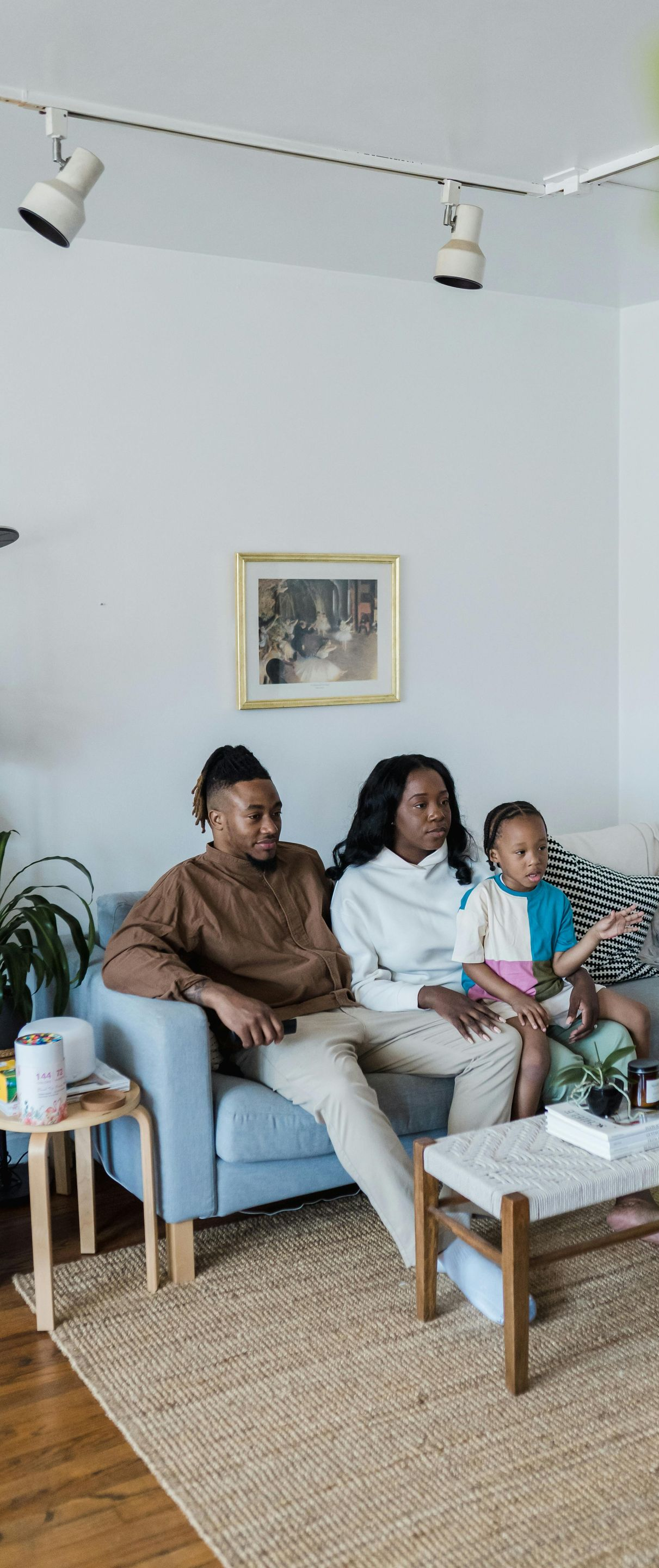
One of the most important realities of homeownership is that life changes over time. Careers evolve, families grow, children age, and daily routines shift. A property that feels perfect for the present moment may feel very different after several years of lifestyle changes.
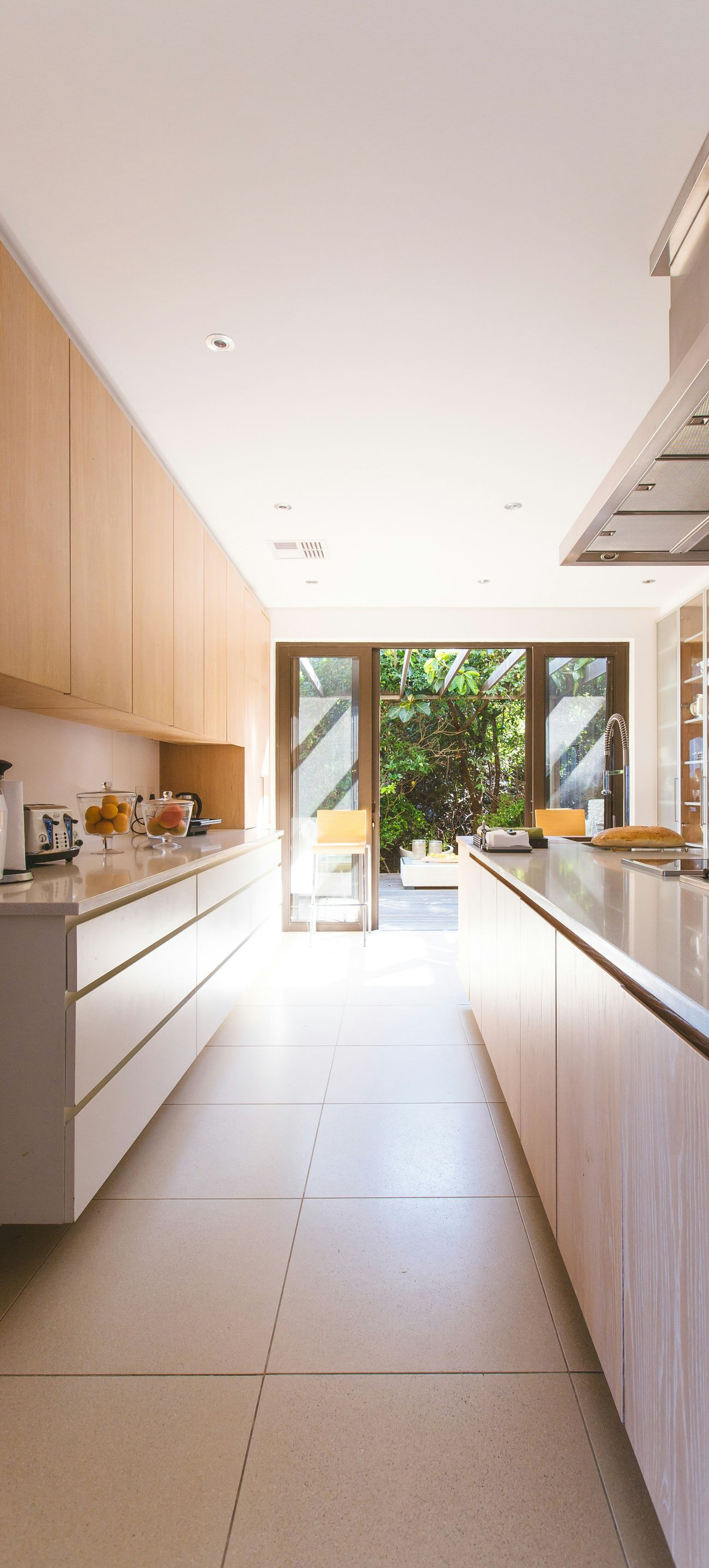
Thinking ahead allows buyers to evaluate whether a home offers enough flexibility to adapt over time. Extra bedrooms, office space, storage areas, or flexible layouts often become more valuable than buyers initially expect.
Homes that can evolve alongside changing needs tend to remain comfortable and functional longer.
Location Matters Beyond the Present
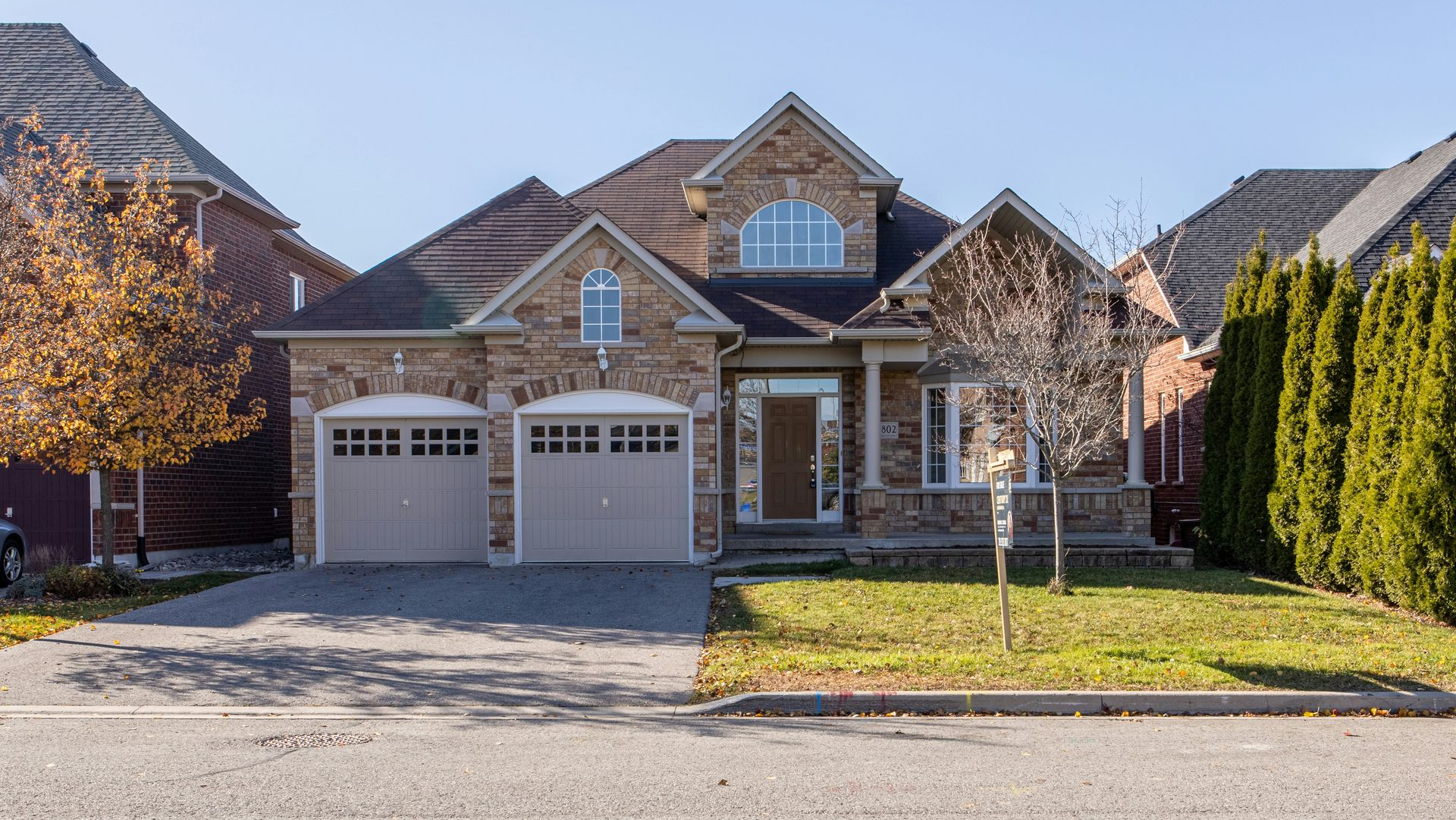
Buyers often focus heavily on immediate convenience when choosing a location. While commute times and nearby amenities are important, it is also worth considering how the surrounding area may change over time.
Neighborhood development, school systems, transportation access, and community growth all influence long-term satisfaction and property value. Buyers who think several years ahead are often better positioned to select locations that continue supporting their goals in the future.
Gregory Heineman frequently advises buyers to evaluate both the property itself and the long-term stability of the surrounding community.
Flexibility Adds Long-Term Value
Homes with adaptable spaces tend to perform better over time because they can serve multiple purposes as needs change.
For example:
- A guest room may eventually become a home office
- A finished basement may become additional family space
- Outdoor areas may become more important over time
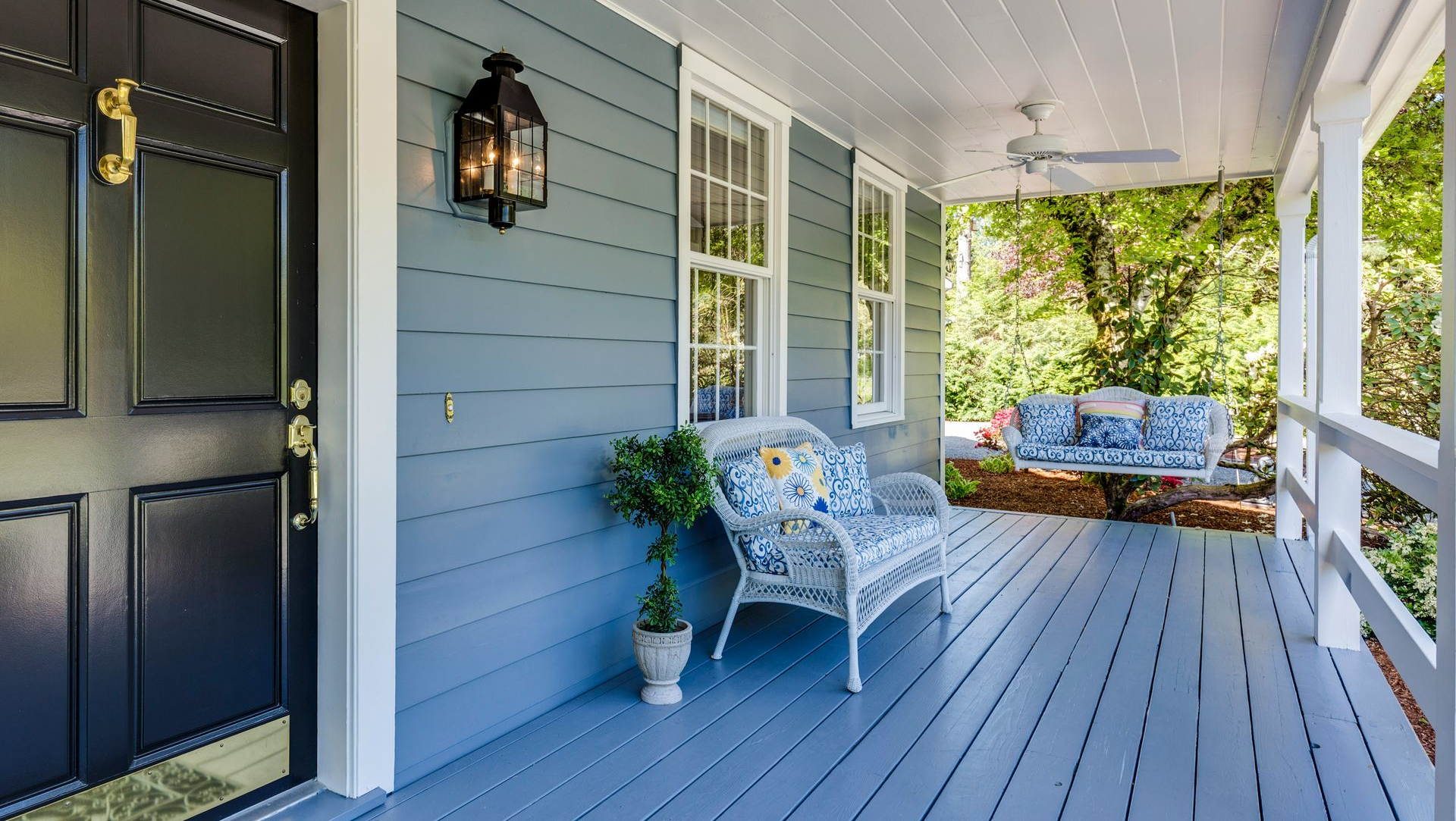
Flexibility helps homeowners avoid feeling limited as their lifestyle evolves. Buyers who think long-term often prioritize functional layouts over purely cosmetic features. This practical approach can make a property feel more valuable years after the purchase.
Financial Planning Is Part of the Equation
Thinking five years ahead also means considering long-term financial comfort. Buyers should evaluate not only whether they can purchase the home today, but whether the property will remain manageable as circumstances change.
Property taxes, maintenance costs, utility expenses, and future repairs all contribute to the long-term ownership experience. A home that stretches the budget too aggressively may create unnecessary stress later.
Balanced decision-making helps buyers choose homes that support both current and future financial stability.
Resale Potential Still Matters
Even buyers who plan to stay long-term should consider resale value. Markets change, and life circumstances may eventually require relocation or downsizing.
Features such as location, layout, parking, and overall functionality tend to influence future marketability. Homes with broader appeal often maintain stronger long-term value because they attract a wider range of future buyers.
Thinking about resale potential does not mean treating the home purely as an investment. It simply means recognizing that flexibility and market appeal contribute to long-term stability.

Avoiding Short-Term Thinking
One of the most common mistakes buyers make is focusing too heavily on immediate emotional reactions. While emotional connection is part of home buying, practical long-term thinking helps create more balanced decisions.
A home should feel exciting, but it should also support everyday life years into the future. Buyers who take time to think beyond the initial excitement often feel more confident about their purchase long after closing.
A More Strategic Approach to Homeownership
At Trend 2000 Real Estate, we believe successful homeownership begins with thoughtful planning. Gregory Heineman, Broker/Owner, works closely with buyers throughout Connecticut and Massachusetts to help them evaluate not only what works today, but what will continue working well in the years ahead.
Real estate decisions are rarely just about the present moment. A home should support changing lifestyles, financial stability, and long-term comfort over time.
If you are preparing to buy a home and want guidance focused on both your current needs and future goals, contact Trend 2000 Real Estate to begin your search with a long-term perspective in mind.





 FREE CONSULTATION