
How First Impressions Influence Real Estate Decisions
First impressions play a major role in real estate. Buyers often begin forming opinions about a property within moments of arriving, sometimes before they even walk through the front door. While practical considerations such as price, layout, and location are important, the emotional reaction buyers experience during those first few minutes can strongly influence how they view the entire property afterward.
At Trend 2000 Real Estate, Gregory Heineman, Broker/Owner, frequently works with buyers and sellers throughout Connecticut and Massachusetts who are surprised by how much early impressions affect decision-making during the home search process.
Buyers React Emotionally Before They Analyze Logically
Most buyers believe they are making completely rational decisions based on square footage, pricing, or property features. In reality, emotional reactions begin influencing perception almost immediately.
When buyers first approach a home, they often begin asking themselves unconscious questions such as:
- Does this property feel welcoming?
- Does it appear well cared for?
- Can I picture myself living here?
- Does the home feel comfortable and functional?
These reactions develop quickly and often shape how buyers interpret everything they see afterward.
A positive first impression tends to make buyers more forgiving of smaller imperfections. A negative first impression may cause buyers to focus more heavily on flaws throughout the showing.
Exterior Appearance Sets Expectations
The outside of the home creates the initial tone for the entire showing experience. Landscaping, siding condition, roofing appearance, walkways, lighting, and general upkeep all contribute to how buyers perceive the property before entering.
Even relatively small exterior details can influence curb appeal. Clean entryways, trimmed landscaping, and organized outdoor spaces help create a sense that the property has been cared for consistently over time.
Buyers often interpret exterior condition as a reflection of overall property maintenance.
Interior Atmosphere Matters Immediately
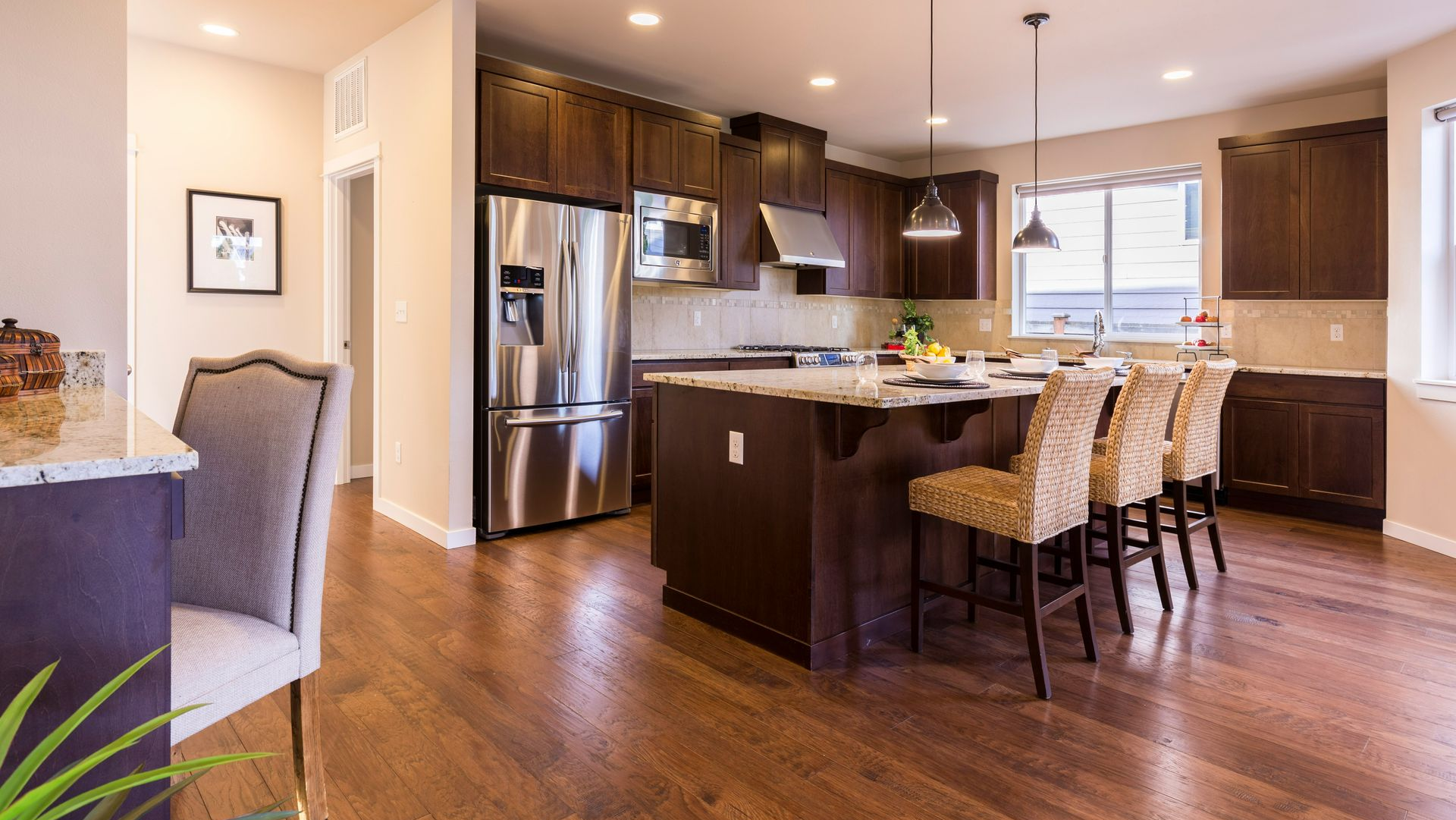
Once buyers enter the home, the atmosphere becomes equally important. Lighting, cleanliness, layout flow, and organization all affect how comfortable the property feels during the showing.
A bright, clean, and organized space typically feels larger and more welcoming. In contrast, cluttered or poorly maintained spaces may feel more confined or difficult for buyers to evaluate objectively.
This does not mean every home needs to look overly staged or unrealistic. Instead, the goal is helping buyers focus on the property itself without distractions competing for attention.

Buyers Often Remember Feeling More Than Features
Interestingly, buyers frequently remember how a home felt more clearly than specific technical details afterward.
A buyer may forget the exact dimensions of a room but clearly remember whether the property felt open, comfortable, or inviting. Emotional impressions tend to remain stronger than factual details during the decision-making process.
This is one reason why presentation and atmosphere are so important during showings.
Maintenance Signals Influence Buyer Confidence
First impressions also influence buyer confidence regarding long-term maintenance concerns. Visible signs of neglect, even relatively minor ones, may create uncertainty about whether larger hidden issues exist elsewhere in the property.
For example:
- Peeling paint
- Worn flooring
- Damaged trim
- Cluttered storage areas
- Neglected landscaping
may lead buyers to question the overall condition of the home.
On the other hand, clean and organized presentation helps create confidence that the property has been properly maintained over time.

Online Listings Create the First Impression Before Showings
Today, many first impressions happen online before buyers ever visit the property in person. Listing photography, exterior images, and presentation quality all influence whether buyers decide to schedule a showing at all.
Because buyers often review numerous listings quickly, strong visual presentation helps properties stand out more effectively in competitive markets.
Professional guidance during listing preparation can help sellers improve both online and in-person impressions.
Creating Stronger Real Estate Experiences
First impressions influence how buyers experience a property from the very beginning. Exterior appearance, atmosphere, maintenance, and presentation all contribute to whether a home feels welcoming and memorable during the showing process.
At Trend 2000 Real Estate, we help buyers and sellers navigate these important details throughout Connecticut and Massachusetts real estate markets. Whether you are preparing to list a home or searching for the right property, experienced guidance can help you approach the process with greater confidence and clarity.






 FREE CONSULTATION