
Why Curb Appeal Continues to Matter
When homeowners think about selling a property, they often focus on interior updates, staging, and pricing. While those factors are certainly important, the exterior of a home continues to play a major role in attracting buyer interest. Long before a potential buyer walks through the front door, they are already forming opinions based on what they see from the street.
This is why curb appeal remains one of the most important aspects of preparing a home for sale. A well-maintained exterior can encourage buyers to schedule a showing, while a neglected appearance may cause them to move on to other listings before ever stepping inside.
Throughout Connecticut and Massachusetts,
Gregory Heineman, Broker/Owner of Trend 2000 Real Estate, has seen firsthand how curb appeal can influence buyer perception and marketability.
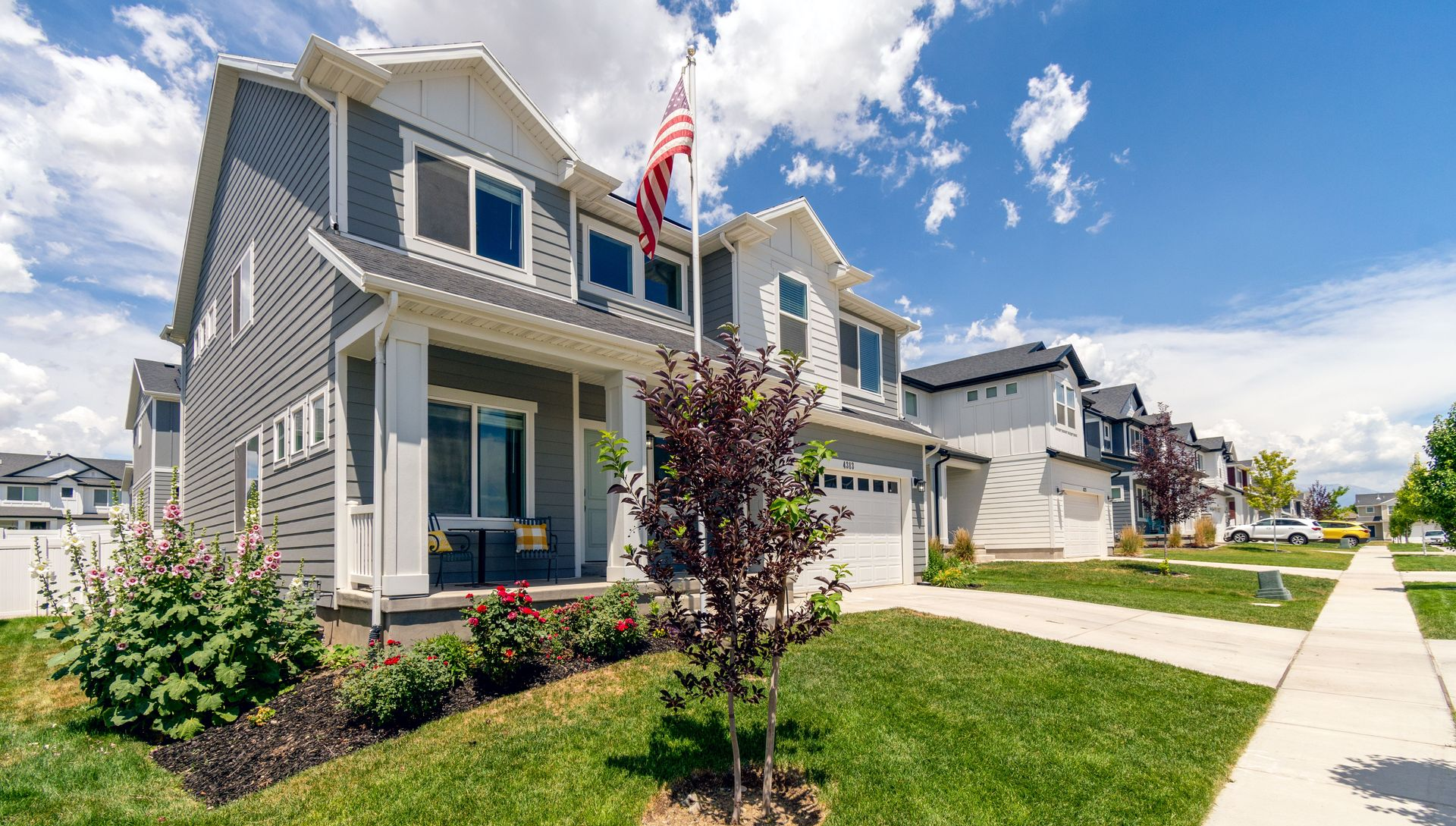
First Impressions Happen Quickly
Real estate professionals often say that buyers begin evaluating a home the moment they arrive. In today’s market, that process may begin even earlier through online listing photos.
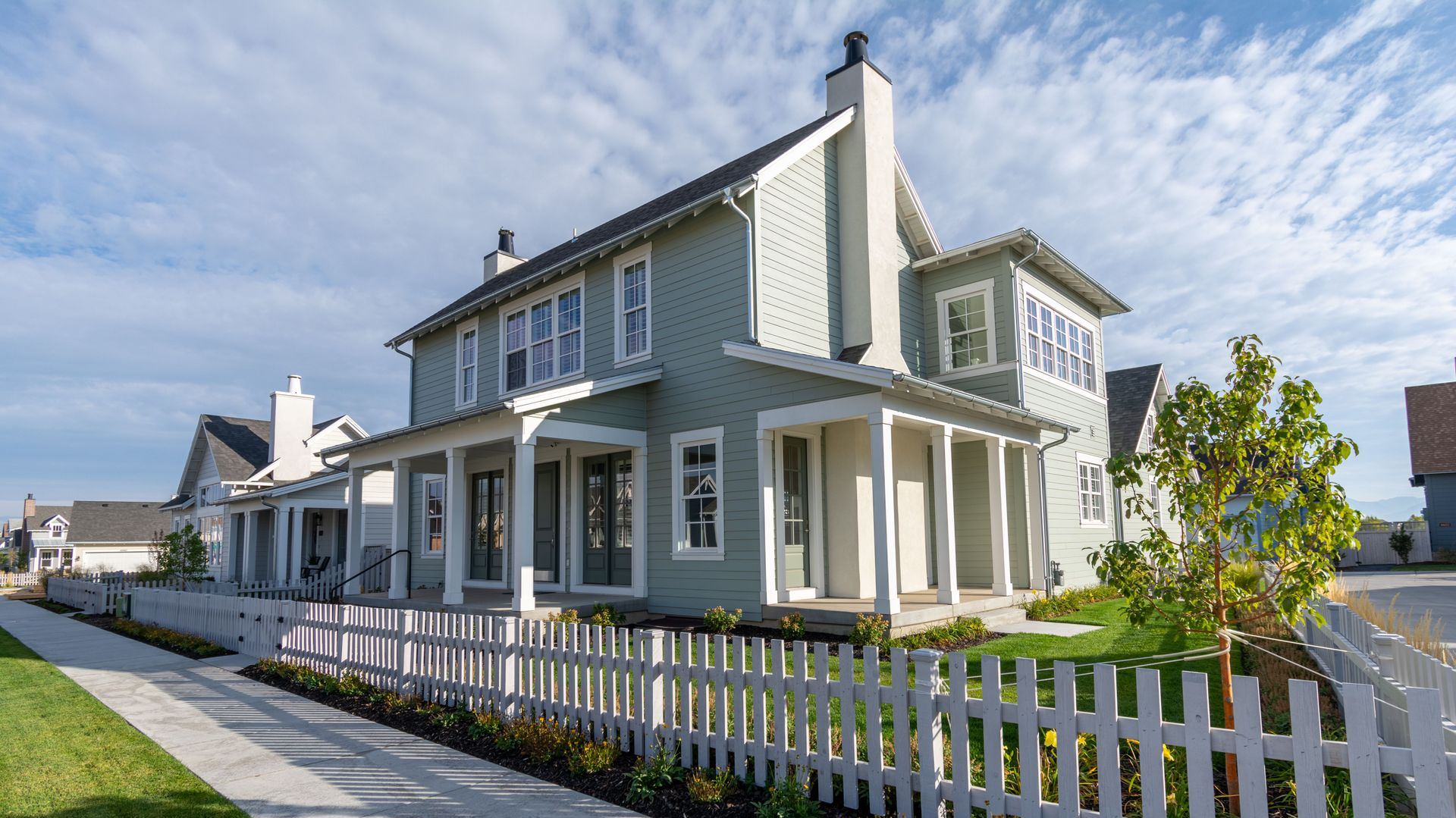
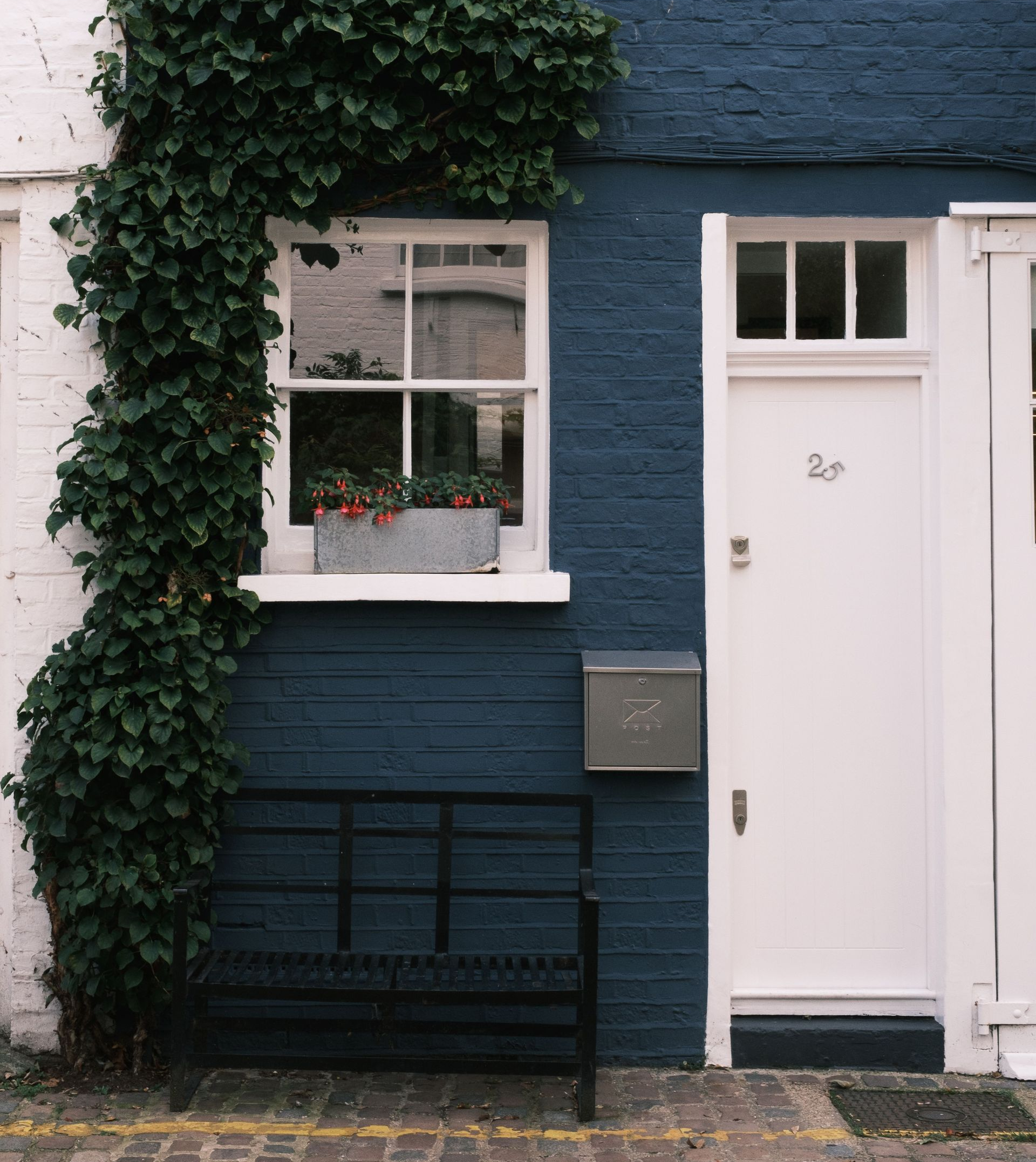
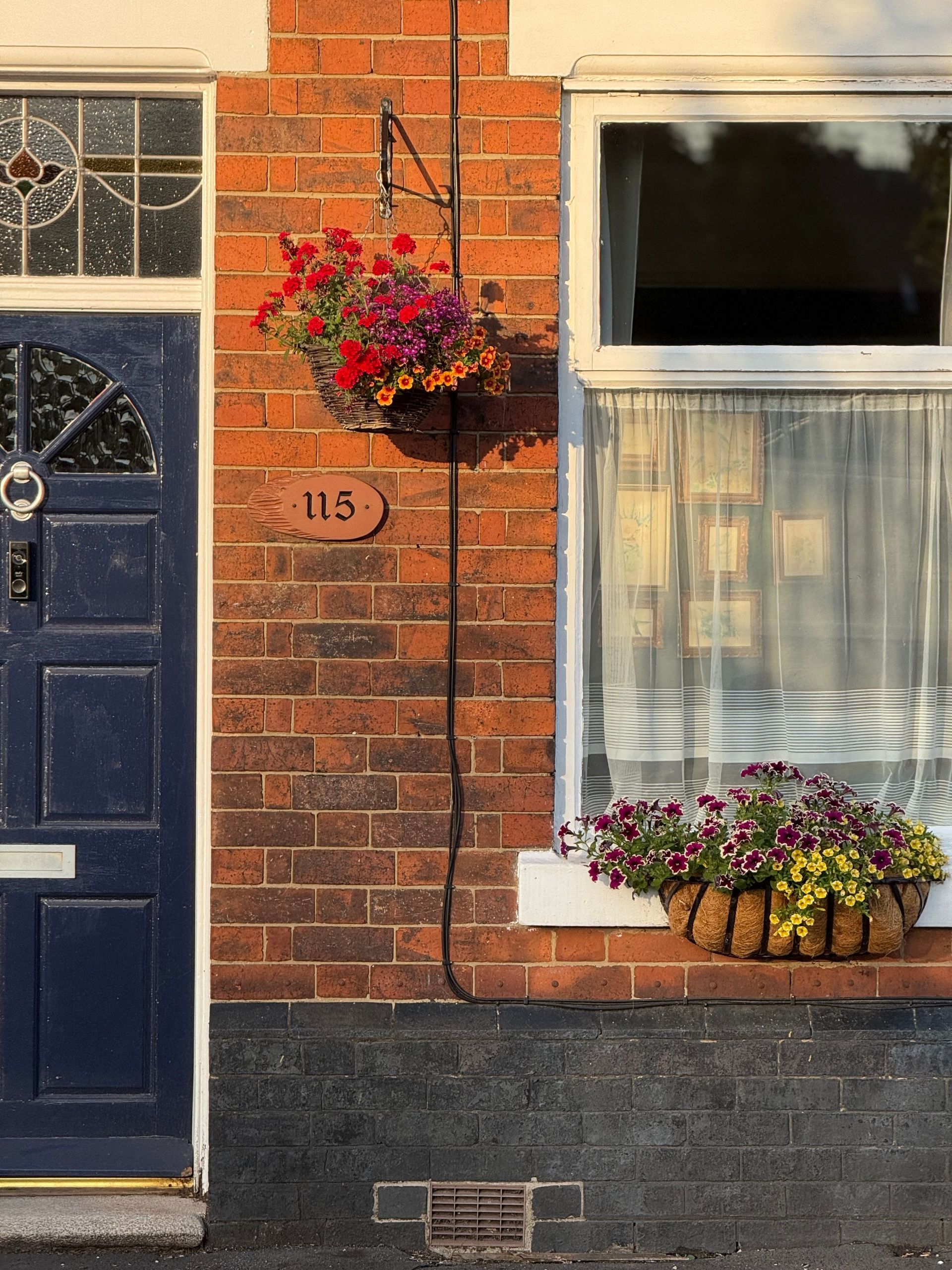
When prospective buyers view a property, they notice details such as the condition of the lawn, landscaping, driveway, walkways, siding, and entryway. These elements collectively create an initial impression that can shape how buyers view the rest of the home.
A positive first impression encourages buyers to explore further. A negative one may make it more difficult for them to appreciate the property’s strengths.
Buyers Often Associate Appearance With Maintenance
One reason curb appeal is so influential is that buyers frequently connect exterior appearance with overall property care.
When a home appears clean, maintained, and cared for, buyers often assume the same level of attention has been given to the interior and major systems. While this assumption may not always be accurate, it is a common part of the home-buying process.
Conversely, visible signs of neglect can sometimes raise questions about potential maintenance concerns elsewhere on the property.
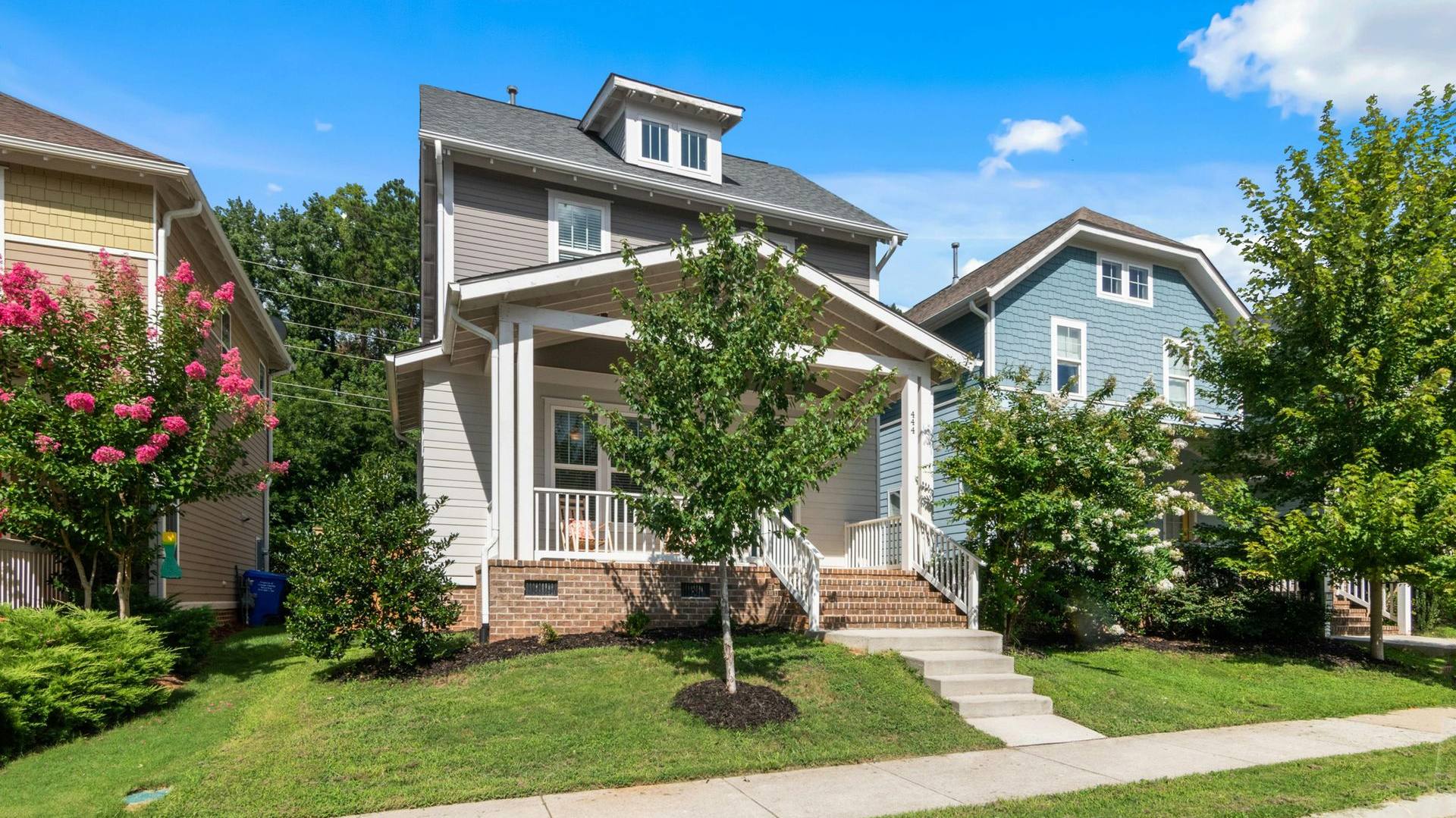
Small Improvements Can Have a Meaningful Impact
Many homeowners assume improving curb appeal requires expensive renovations. In reality, relatively modest improvements can often make a noticeable difference.
Simple enhancements may include refreshing landscaping, trimming shrubs, cleaning walkways, maintaining lawns, touching up paint, or ensuring the entryway looks inviting.
These efforts can help present the property in its best light without requiring major investments.
In many cases, the goal is not perfection but rather creating a clean, welcoming appearance that helps buyers envision themselves living in the home.
Online Listings Have Increased the Importance of Curb Appeal
The growth of online real estate listings has made exterior presentation more important than ever.
For many buyers, the first interaction with a property occurs through photographs viewed on a computer or smartphone. Exterior photos frequently appear first in listing galleries, meaning curb appeal often influences whether a buyer chooses to learn more about the property.
A strong exterior presentation can help generate interest and encourage prospective buyers to schedule a showing.
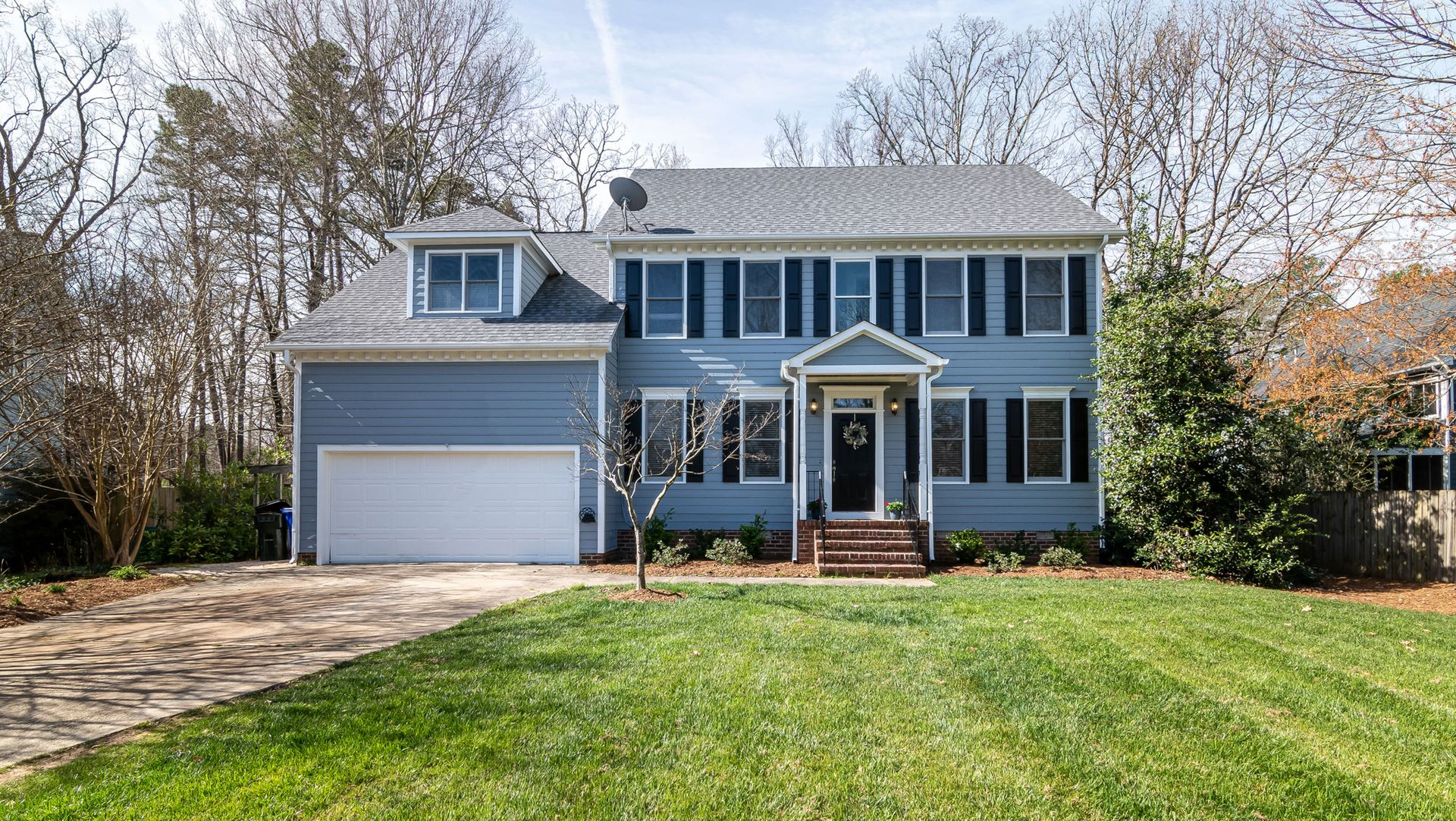
Neighborhood Context Matters
Curb appeal is not evaluated in isolation. Buyers often compare properties to others within the same neighborhood and price range.
A well-maintained exterior helps a property compete more effectively within its local market. It demonstrates pride of ownership and may contribute to a stronger overall perception of value.
This is particularly important in many Connecticut and Massachusetts communities, where buyers often pay close attention to neighborhood character and property presentation.
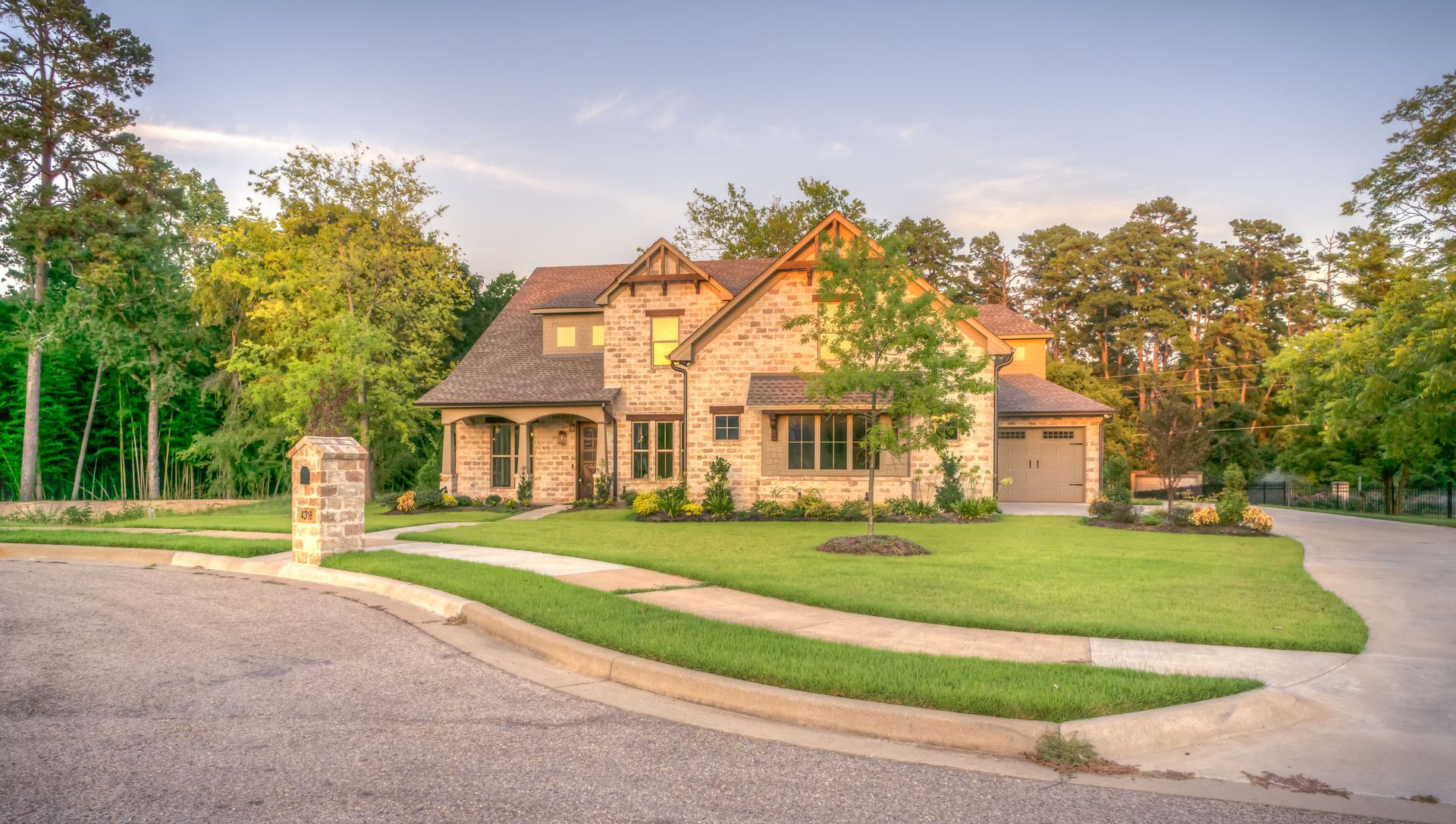
Curb Appeal Supports the Entire Marketing Strategy
While curb appeal alone will not sell a home, it supports every other aspect of the marketing process.
Professional photography, online listings, open houses, and private showings all benefit when a property’s exterior presents well. Buyers who arrive with positive expectations are often more receptive to the home’s interior features and overall value proposition.
Think of curb appeal as the introduction to the rest of the property. It helps create the context through which buyers evaluate everything that follows.
Making the Most of a Sale
Selling a home involves many factors, including pricing, market conditions, location, and property condition. However, curb appeal remains one of the few elements homeowners can often improve relatively quickly before listing.
Gregory Heineman and the team at Trend 2000 Real Estate help homeowners throughout Connecticut and Massachusetts prepare their properties for the market and identify opportunities to enhance buyer interest. A strong first impression may not be the only factor in a successful sale, but it continues to be an important one.
When buyers feel positive about a property before they even step inside, the entire showing experience often starts on stronger footing.




 FREE CONSULTATION