
Why New England’s Historic Homes Continue to Attract Buyers
New England is known for many things, including picturesque towns, coastal communities, and a rich architectural heritage. Throughout Connecticut and Massachusetts, historic homes remain some of the most recognizable and sought-after properties on the market. From Colonial and Cape Cod homes to Victorian and Federal-style residences, these properties continue to attract buyers who appreciate their character, craftsmanship, and connection to the region’s history.
While modern homes offer contemporary layouts and amenities, historic properties maintain a unique appeal that has endured for generations. Understanding why these homes remain popular can help buyers evaluate whether a historic property may be the right fit for their goals and lifestyle.
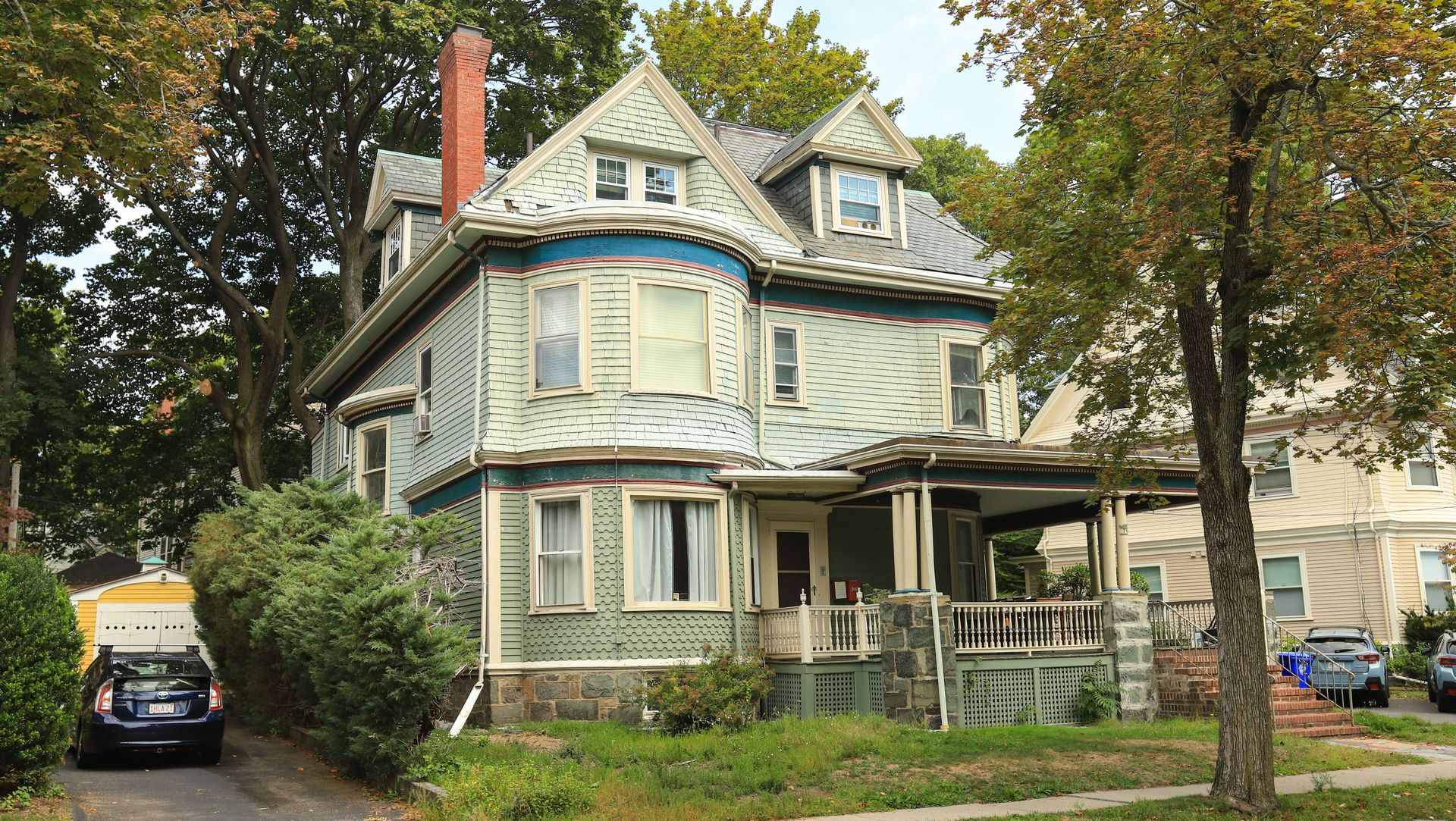
A Connection to New England History
One of the biggest draws of historic homes is their connection to the past.
Many historic properties have stood for decades and, in some cases, centuries. They represent an era of craftsmanship and architectural design that helped shape communities throughout Connecticut and Massachusetts. Buyers are often attracted to the idea of owning a home that has been part of a town’s history for generations.
Unlike newer construction, historic homes frequently tell a story through their design, materials, and architectural details.
Architectural Character Is Difficult to Replicate
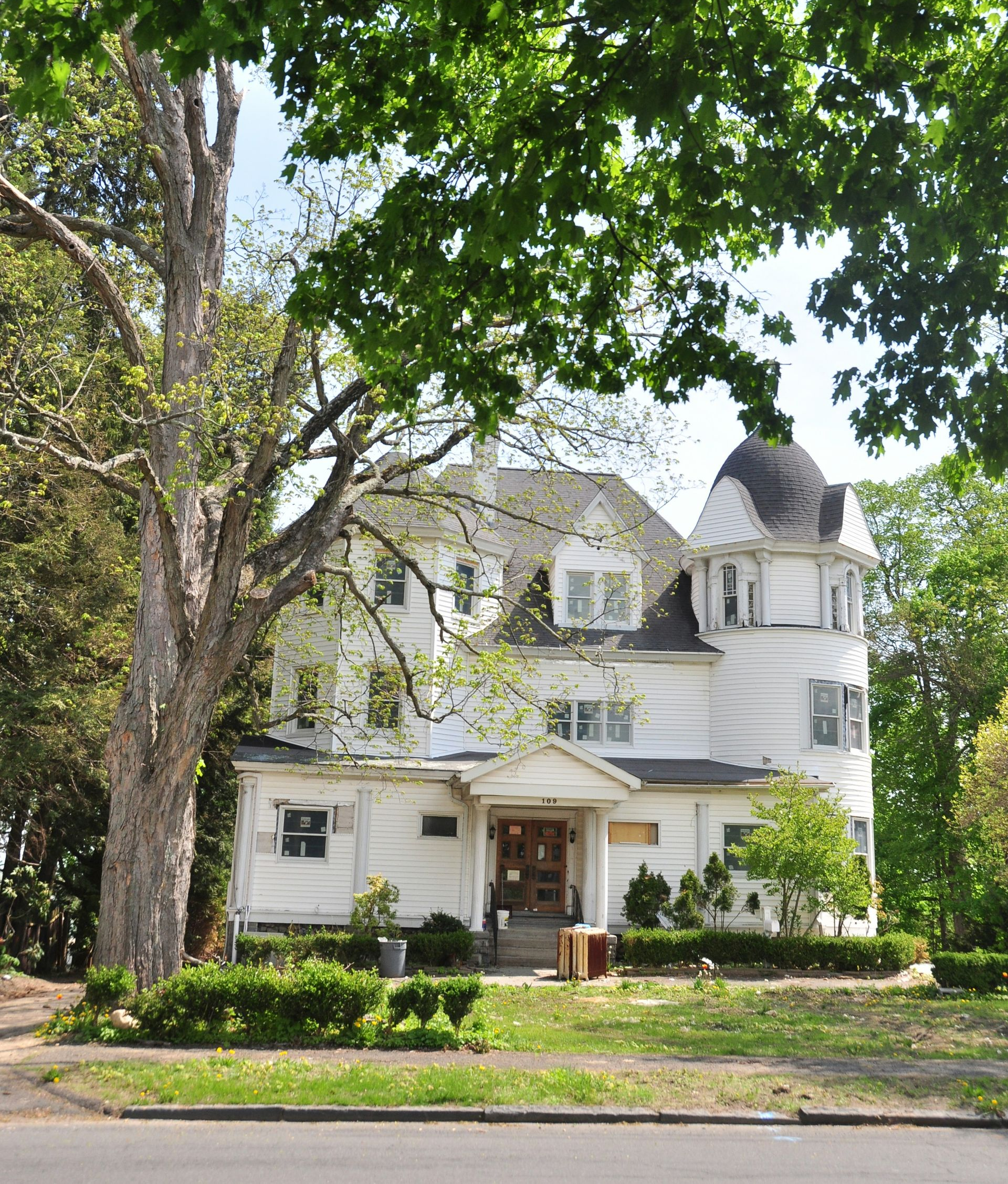
Historic homes often feature distinctive design elements that are rarely found in modern construction.
Original woodwork, detailed trim, built-in cabinetry, decorative moldings, hardwood floors, and unique layouts contribute to the individuality of these properties. No two homes are exactly alike, which is part of their appeal.
Many buyers appreciate the craftsmanship and attention to detail that characterize older homes. These features can create a sense of warmth and personality that is difficult to duplicate in newer construction.
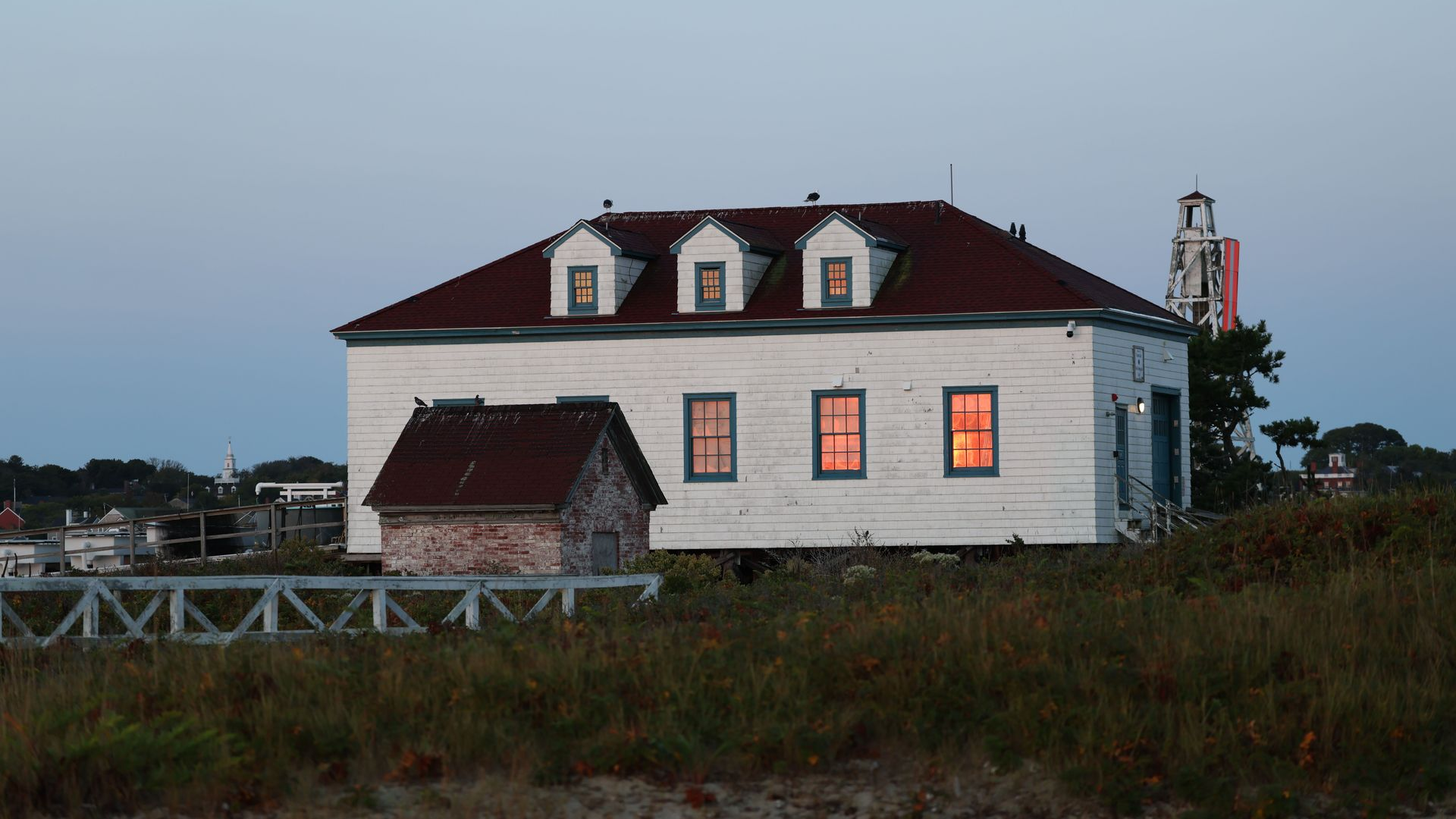
Established Neighborhoods Add Appeal
Historic homes are frequently located in mature neighborhoods that have developed over many years.
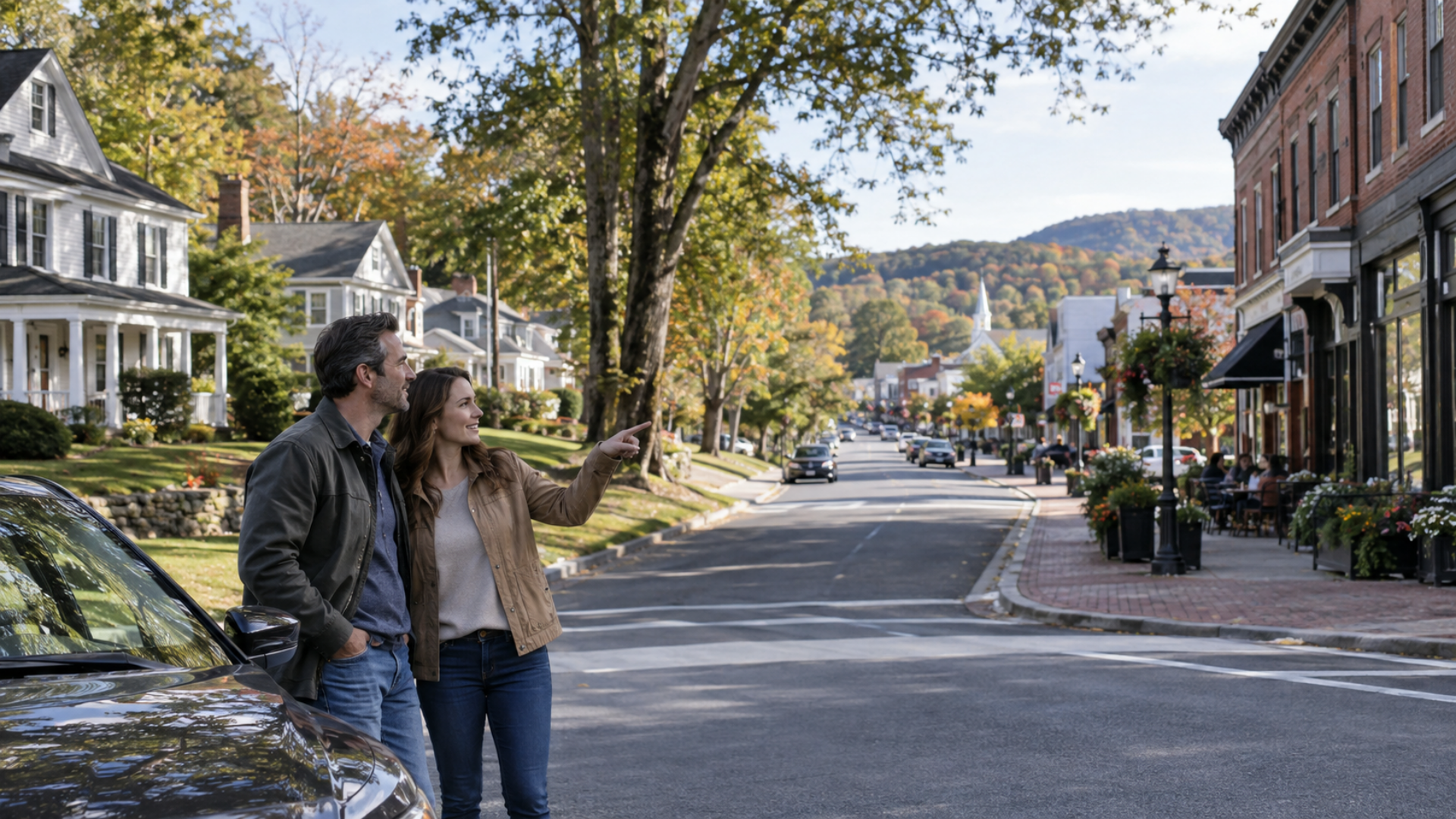
Tree-lined streets, walkable town centers, established landscaping, and a strong sense of community often contribute to the attractiveness of these areas. Buyers who value neighborhood character may find historic districts particularly appealing.
In many Connecticut and Massachusetts communities, historic homes occupy some of the most desirable locations, placing homeowners close to schools, local businesses, parks, and cultural attractions.
Historic Homes Offer a Unique Ownership Experience
Many buyers enjoy the opportunity to serve as stewards of a historic property.
Owning a historic home often involves preserving architectural features and maintaining elements that contribute to the property’s character. For some homeowners, this responsibility becomes one of the most rewarding aspects of ownership.
Rather than viewing a home as simply a place to live, many historic homeowners see themselves as preserving a piece of local history for future generations.

Finding the Right Historic Home
Connecticut and Massachusetts are home to some of the country’s most beautiful historic properties, offering buyers a wide range of architectural styles and communities to explore.
Gregory Heineman, Broker/Owner of Trend 2000 Real Estate, has spent decades helping buyers and sellers navigate the unique real estate markets of New England. His local knowledge and experience can help clients evaluate historic properties, understand their potential, and find homes that align with their long-term goals.
Historic homes continue attracting buyers because they offer something increasingly difficult to find: a genuine connection to the past combined with the opportunity to create new memories for the future. For many homeowners, that combination remains as appealing today as it has been for generations.





 FREE CONSULTATION