
How Buyer Expectations Have Changed Over the Past Decade
The real estate market is constantly evolving, and one of the biggest changes over the past decade has been the way buyers evaluate homes. While factors such as location, price, and property condition remain important, today’s buyers often approach the home search process differently than they did ten years ago.
Technology, lifestyle changes, remote work, and shifting financial priorities have all influenced what buyers look for when purchasing a home. Understanding these changes can help sellers position their properties more effectively and help buyers better understand current market trends.
Throughout Connecticut and Massachusetts,
Gregory Heineman, Broker/Owner of Trend 2000 Real Estate, has seen firsthand how buyer priorities continue to evolve as market conditions and lifestyles change.
Buyers Conduct More Research Before Touring Homes
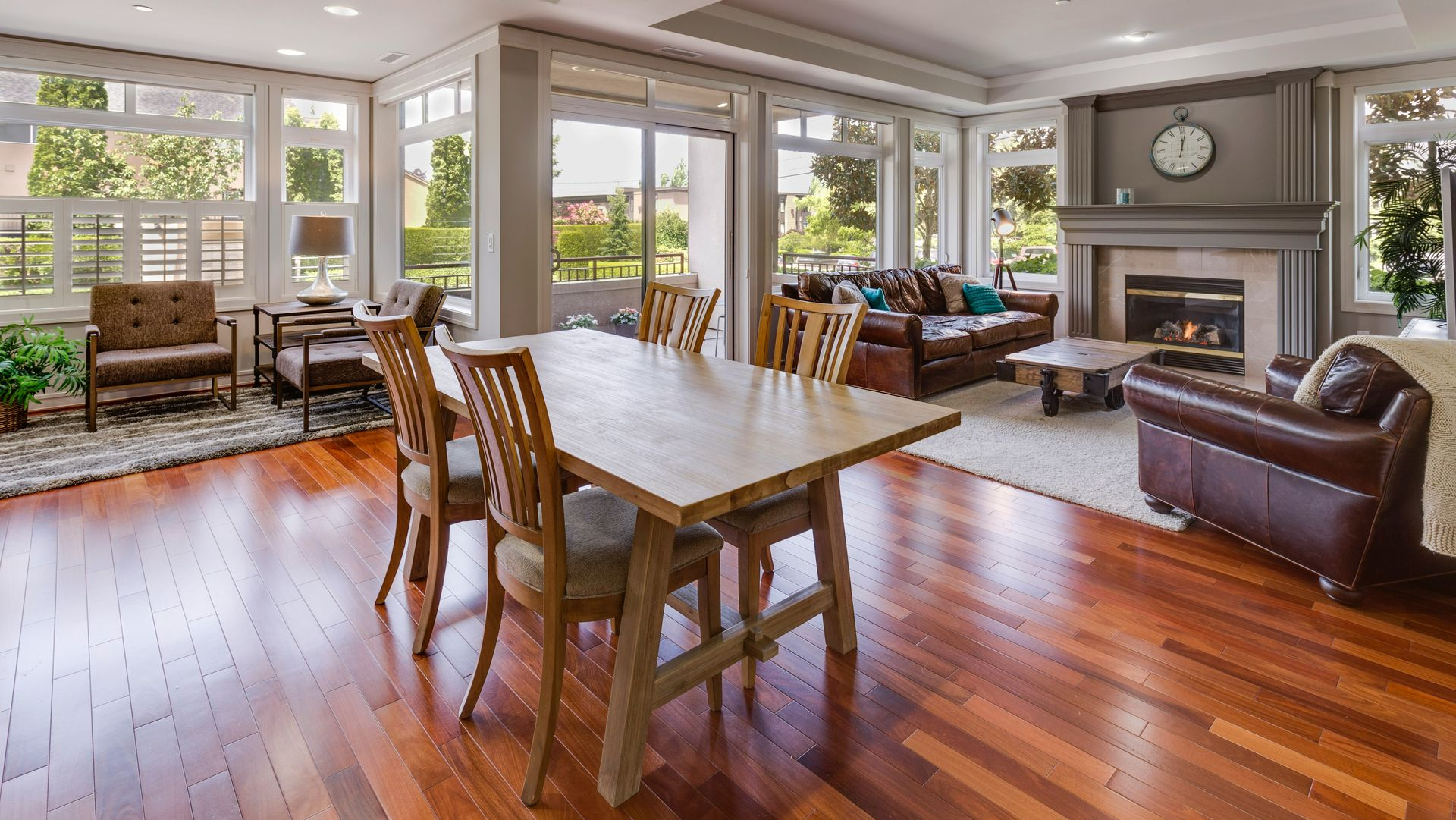
A decade ago, many buyers relied heavily on in-person showings to learn about available properties. Today, online listings, virtual tours, high-resolution photography, and digital property information allow buyers to gather significant information before scheduling a visit.
As a result, many buyers arrive at showings with a much clearer understanding of a property’s features, condition, and potential drawbacks.
This means first impressions online often play a larger role than ever before.
Home Offices Have Become More Important
One of the most significant shifts in buyer preferences has been the growing importance of flexible living spaces. The rise of remote and hybrid work arrangements has led many buyers to place greater value on dedicated office areas or rooms that can serve multiple purposes.
While not every buyer requires a home office, many appreciate layouts that offer flexibility for work, study, hobbies, or guest accommodations.
Homes with adaptable spaces often appeal to a broader range of potential buyers.
Energy Efficiency Receives More Attention
Modern buyers are often more aware of long-term operating costs than buyers were in the past. Utility expenses, heating systems, insulation quality, and energy-efficient upgrades frequently become part of the purchasing conversation.
Features that may attract attention include:
- Updated windows
- Modern HVAC systems
- Improved insulation
- Energy-efficient appliances
- Smart home technology
While these features are rarely the sole reason someone purchases a home, they can contribute positively to overall buyer perception.

Buyers Often Want Turnkey Properties
Many of today’s buyers prefer homes that require fewer immediate repairs or renovations. Busy schedules, rising construction costs, and the desire for convenience have increased demand for properties that feel move-in ready.
This does not mean every buyer avoids fixer-uppers. However, homes that appear well-maintained and cared for often generate stronger interest because buyers can more easily envision themselves living there without significant immediate projects.
For sellers, addressing maintenance concerns before listing can sometimes improve marketability.

Outdoor Living Spaces Have Gained Popularity
The way people use their homes has changed over the past decade, and outdoor spaces have become increasingly important to many buyers.
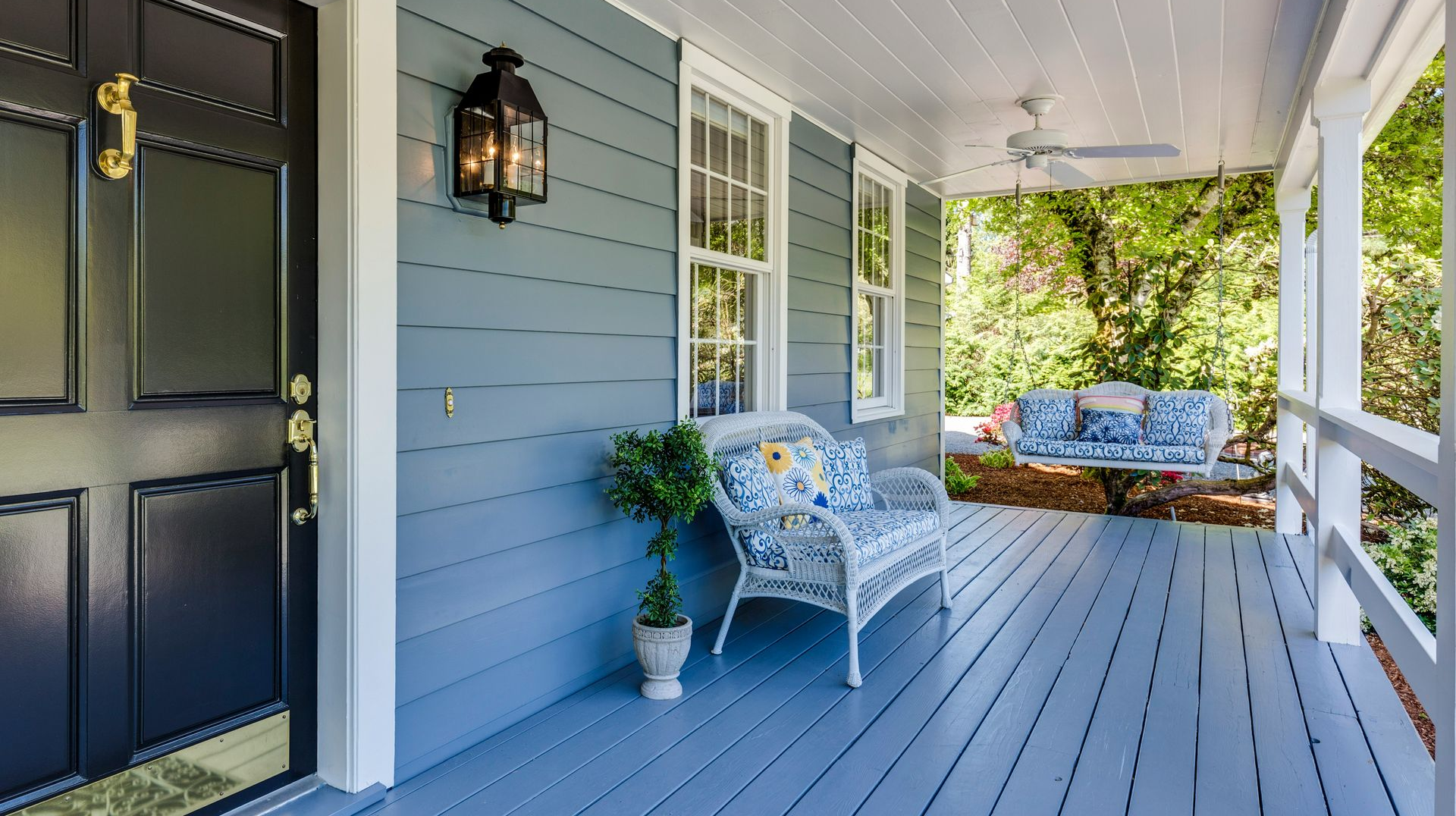
Patios, decks, outdoor gathering areas, and functional yard space often attract attention because they expand usable living space beyond the home’s interior.
In both Connecticut and Massachusetts, buyers frequently appreciate properties that offer opportunities for outdoor enjoyment throughout the year.
Buyers Pay Close Attention to Lifestyle Factors
While location has always been important, today’s buyers often evaluate neighborhoods through a broader lifestyle lens.
Many consider factors such as:
- Commute times
- Walkability
- Recreational opportunities
- Community character
- School districts
- Access to services
Rather than focusing solely on the property itself, buyers increasingly evaluate how a home fits into their overall lifestyle goals.

Information Moves Faster Than Ever
The modern real estate market operates at a faster pace than it did ten years ago. Buyers often receive listing alerts immediately and can review new properties within minutes of becoming available.
This increased access to information has created a more informed buyer pool. It has also increased the importance of accurate pricing, strong marketing, and effective presentation.
Properties that are well-positioned from the beginning often benefit from greater initial interest.
Understanding Today’s Buyers
Although the fundamentals of real estate remain largely unchanged, buyer expectations continue to evolve alongside technology, economic conditions, and lifestyle trends. Sellers who understand these changing preferences are often better positioned to attract qualified buyers and navigate the market successfully.
Trend 2000 Real Estate helps buyers and sellers throughout Connecticut and Massachusetts understand today’s market conditions and make informed real estate decisions. With the guidance of Gregory Heineman, Broker/Owner, clients benefit from local expertise and a clear understanding of how buyer expectations continue to shape the modern real estate landscape.










 FREE CONSULTATION