
Why a Lower-Priced Home Can Sometimes Cost More in the Long Run
A lower asking price can be attractive, especially in a competitive market. But the least expensive home on your shortlist is not always the least expensive home to own.
Older systems, deferred maintenance, higher utility costs, insurance issues, property taxes, and upcoming repairs can all change the true cost of ownership. Buyers in Connecticut and Western Massachusetts should look beyond the purchase price and evaluate what the property may require over the next several years.
Major Repairs Can Change the Math Quickly
A home priced below similar properties may simply need more work.
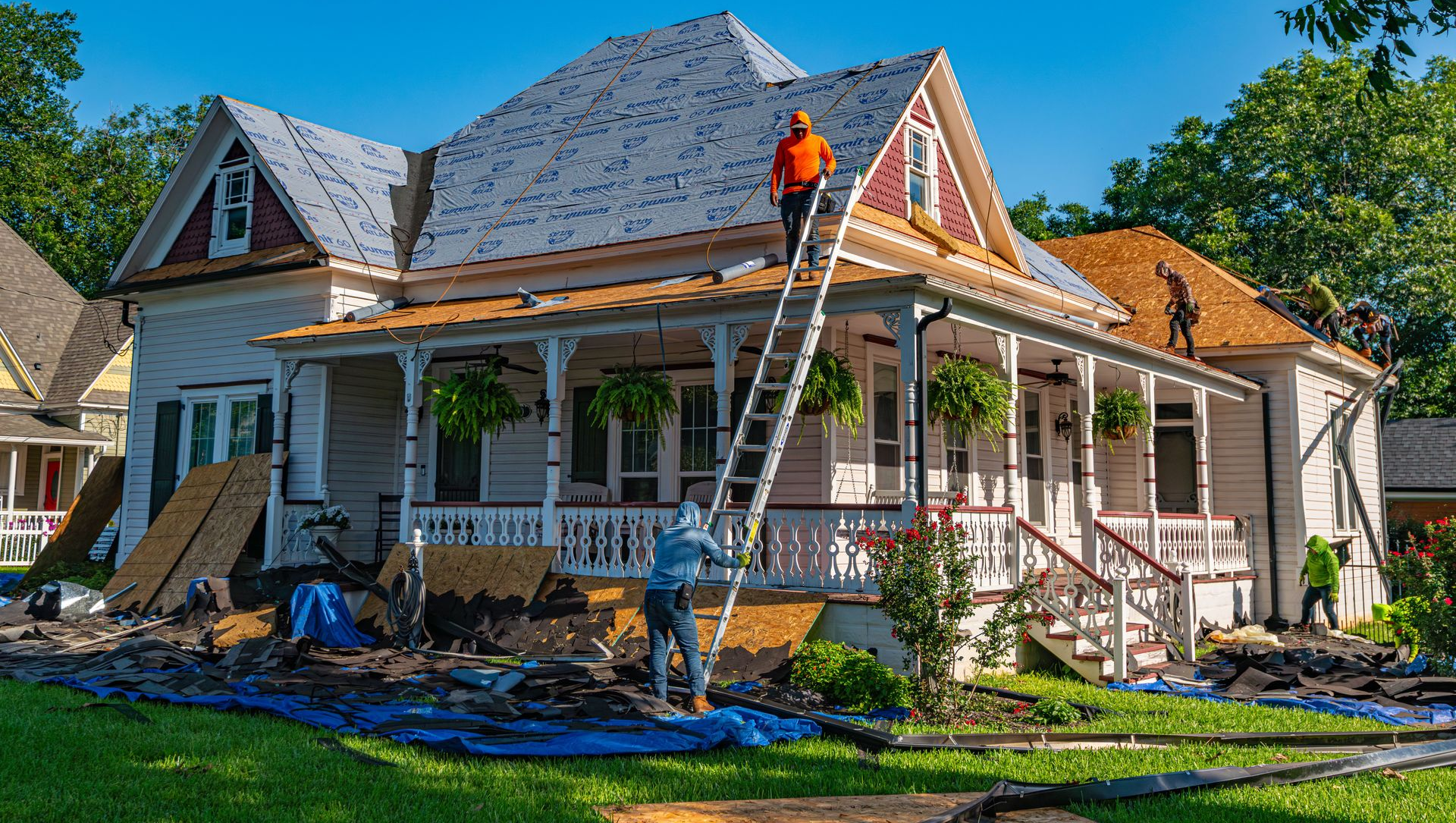
An aging roof, older heating system, deteriorated siding, outdated electrical service, or failing septic components can create significant expenses after closing. Even when the home is structurally sound, several medium-sized projects arriving at once can strain a new homeowner’s budget.
Buyers should consider not only whether a system works today, but also how old it is and how much useful life it may have left.
Energy Costs Matter
An inexpensive home can become more costly if it is inefficient to heat or cool.
Older windows, limited insulation, air leakage, outdated boilers, and inefficient heating equipment can increase monthly utility costs. In New England, where winter heating can be a major household expense, those differences add up.
A newer or better-maintained home with a higher purchase price may sometimes cost less to operate month after month.
Property Taxes Can Vary Significantly
The purchase price is only one part of the monthly housing cost.
Property taxes can differ considerably from one town to another in Connecticut and Western Massachusetts. Two similarly priced homes may therefore have very different annual carrying costs.
Buyers should look at current tax information and understand that taxes may change after a sale, reassessment, renovation, or other local event.
Broker/Owner Gregory Heinemann of Trend 2000 Real Estate can help buyers compare these local differences as part of the broader home search.

Deferred Maintenance Often Comes in Clusters
Homes that have been maintained inconsistently may have more than one issue.
A seller who postponed replacing a roof may also have delayed gutter repairs, exterior painting, chimney maintenance, or mechanical upgrades. Individually, these items may seem manageable. Together, they can create a much larger near-term expense.
This is why a home inspection is so important. The goal is not to find a perfectly maintained property, but to understand what may need attention and when.
Insurance Can Affect Affordability
Older homes can sometimes present insurance considerations.
Roof age, electrical systems, heating type, prior claims, and other property characteristics may influence coverage availability or cost. Buyers should investigate insurance early enough to understand whether the property will fit comfortably within the overall budget.
A lower mortgage payment does not help much if other ownership costs are significantly higher than expected.

Renovations Can Cost More Than Expected
A lower-priced home may look like an opportunity to create exactly what you want.
That can be a good strategy, but renovation costs should be estimated realistically. Kitchens, bathrooms, additions, structural work, electrical upgrades, and mechanical improvements can add up quickly.
Older New England homes may also reveal hidden conditions once work begins.
Before buying a property specifically because of its renovation potential, buyers should consider whether the combined purchase and improvement costs still make sense compared with buying a more updated home.

Time and Disruption Have Value Too
Cost is not always measured in dollars.
Living through repeated repairs, coordinating contractors, dealing with construction dust, or postponing use of part of the home can affect daily life.
Some buyers enjoy renovation projects. Others would rather pay more upfront for a home that requires less immediate work.
Neither choice is automatically better. The important thing is knowing which type of ownership experience fits your priorities.
Compare the Total Cost, Not Just the Asking Price
A lower-priced home can still be an excellent purchase. The key is understanding why it is priced lower and what expenses may follow.
Trend 2000 Real Estate helps buyers evaluate properties throughout Connecticut and Western Massachusetts with attention to condition, location, taxes, market value, and long-term ownership goals. Broker/Owner Gregory Heinemann brings extensive local experience to the process and can help buyers compare homes beyond the listing price alone.
If you are deciding between a less expensive property that needs work and a higher-priced home that is more move-in ready, contact Trend 2000 Real Estate for experienced local guidance before making the decision.








 FREE CONSULTATION