
What to Know About Beachfront Property Sales in 2026
Beachfront real estate continues attracting buyers looking for scenic views, direct water access, and long-term lifestyle value. Coastal communities throughout Massachusetts and Connecticut remain highly desirable because of their historic shoreline towns, strong seasonal rental demand, and limited waterfront inventory. However, the beachfront market in 2026 involves more considerations than many buyers realize.
At Trend 2000 Real Estate,
Gregory Heineman, Broker/Owner, works with buyers and sellers navigating an increasingly complex coastal real estate environment where insurance costs, flood risks, regulatory changes, and long-term property resilience play a larger role in purchasing decisions than they did even a few years ago.
Waterfront Inventory Remains Highly Competitive
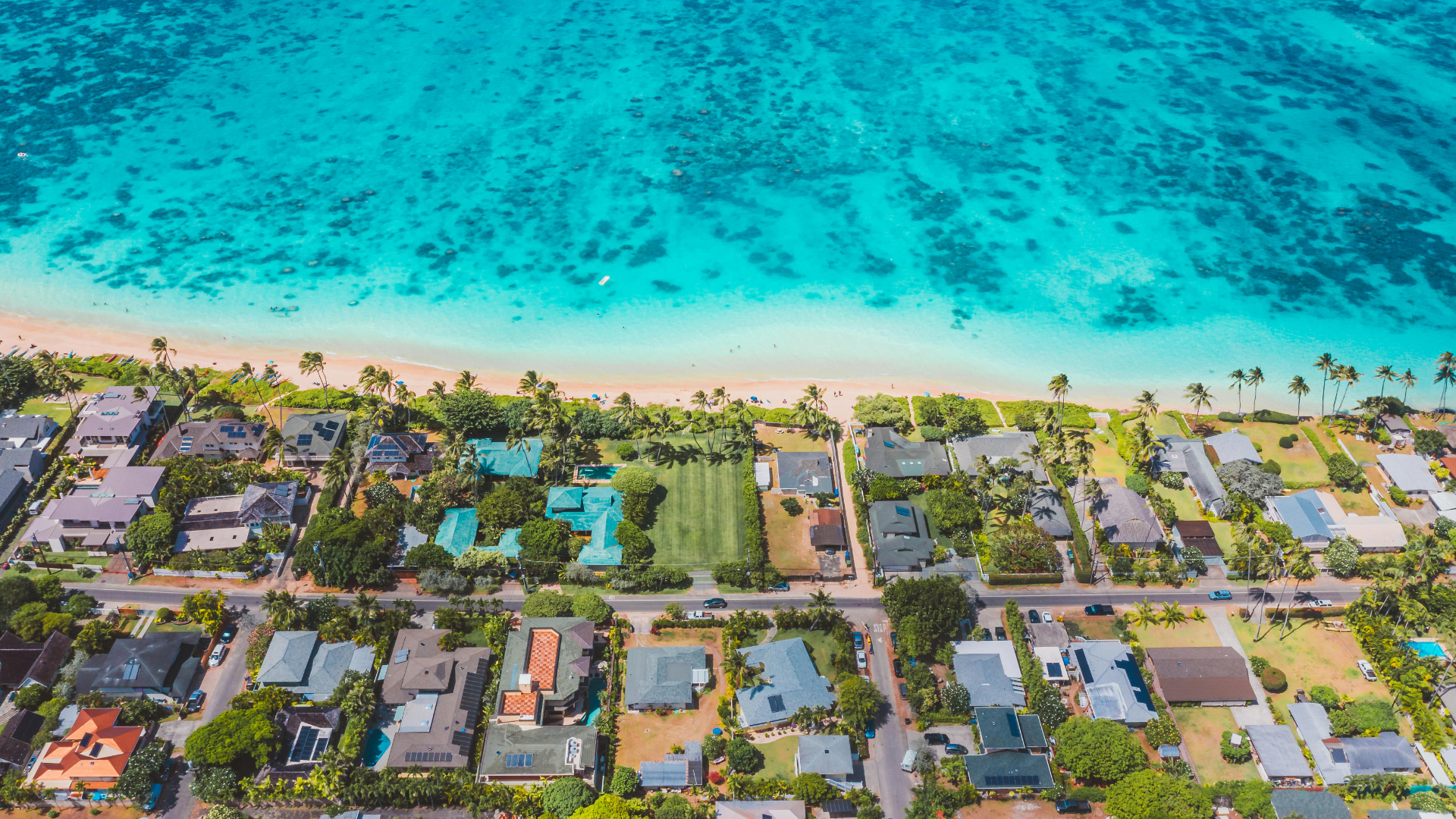
Beachfront properties throughout coastal Massachusetts and Connecticut continue maintaining strong demand because shoreline inventory remains naturally limited. Communities along Cape Cod, the Connecticut shoreline, and other New England coastal areas attract buyers seeking vacation homes, retirement properties, investment opportunities, and second residences.
Even with higher borrowing costs and increased insurance scrutiny, waterfront homes continue holding strong appeal because of their unique locations and lifestyle advantages.
However, buyers in 2026 are conducting more detailed due diligence before closing than in previous years.
Insurance Costs Have Become a Major Factor
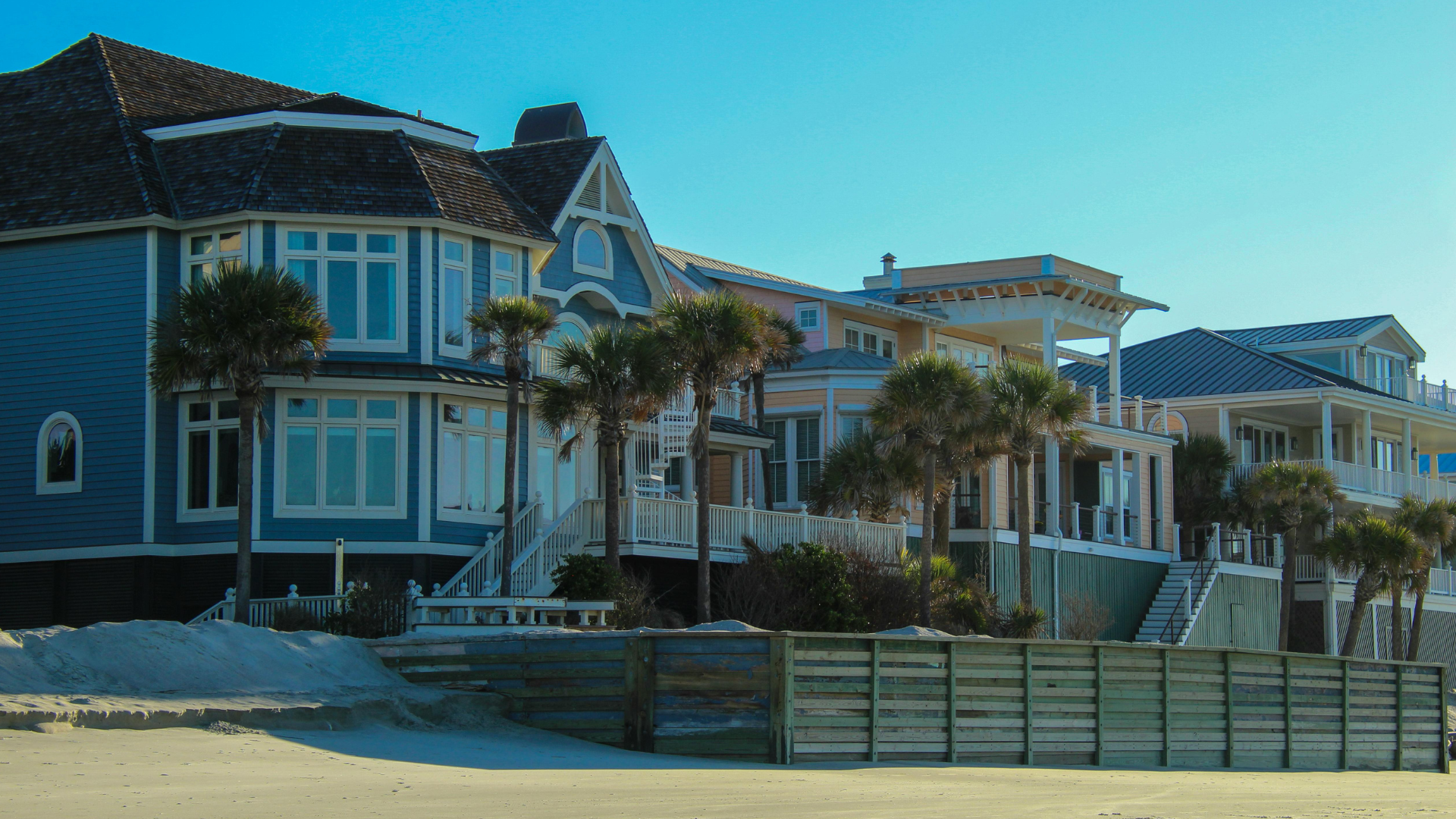
One of the biggest changes affecting beachfront property sales in 2026 is the growing importance of insurance evaluation during the buying process.
Insurance markets in coastal New England have tightened significantly in recent years, particularly in higher-risk shoreline zones. Some insurers have reduced exposure in coastal areas while underwriting requirements, deductibles, and premiums have become more restrictive.
For buyers considering beachfront homes in Massachusetts or Connecticut, insurance review is now an essential part of evaluating affordability. Buyers should carefully investigate:
- Flood insurance requirements
- Windstorm coverage
- Deductible structures
- Claims history
- Roof age and condition
- Elevation certificates
- Prior storm damage
These factors may substantially affect long-term ownership costs.
Flood Risk Assessments Are Becoming More Sophisticated
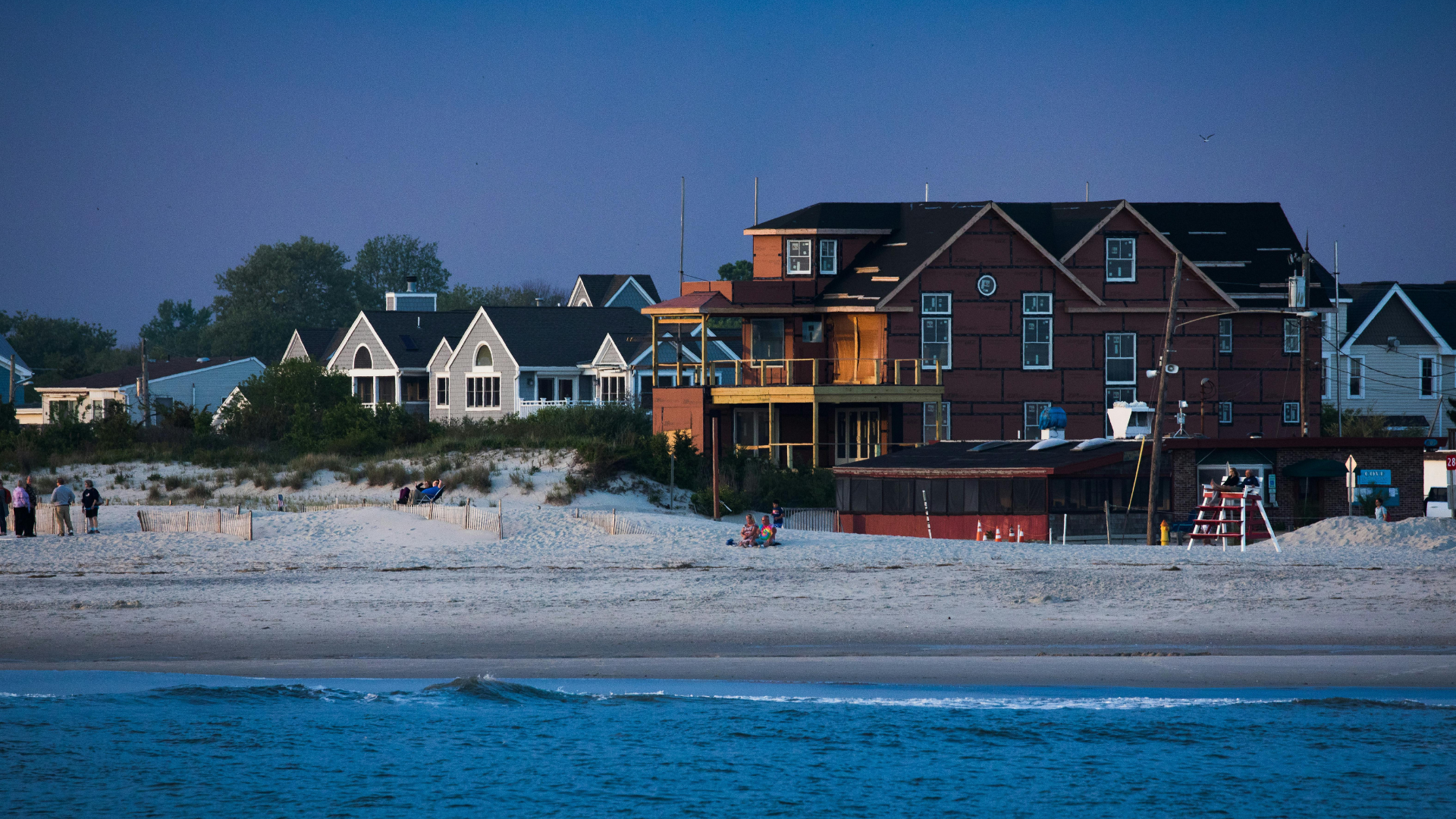
Traditional FEMA flood maps are no longer the only tools influencing waterfront real estate decisions. Connecticut recently introduced advanced online flood and weather risk modeling tools designed to provide more detailed property-level risk analysis beyond older mapping systems.
This reflects a broader trend throughout coastal real estate markets where buyers, insurers, lenders, and municipalities are increasingly evaluating:
- Storm surge exposure
- Sea level rise projections
- Chronic flooding potential
- Shoreline erosion risk
- Future resiliency requirements
Modern flood modeling continues becoming more detailed and influential during both underwriting and property valuation discussions.
Regulatory Changes May Affect Future Development
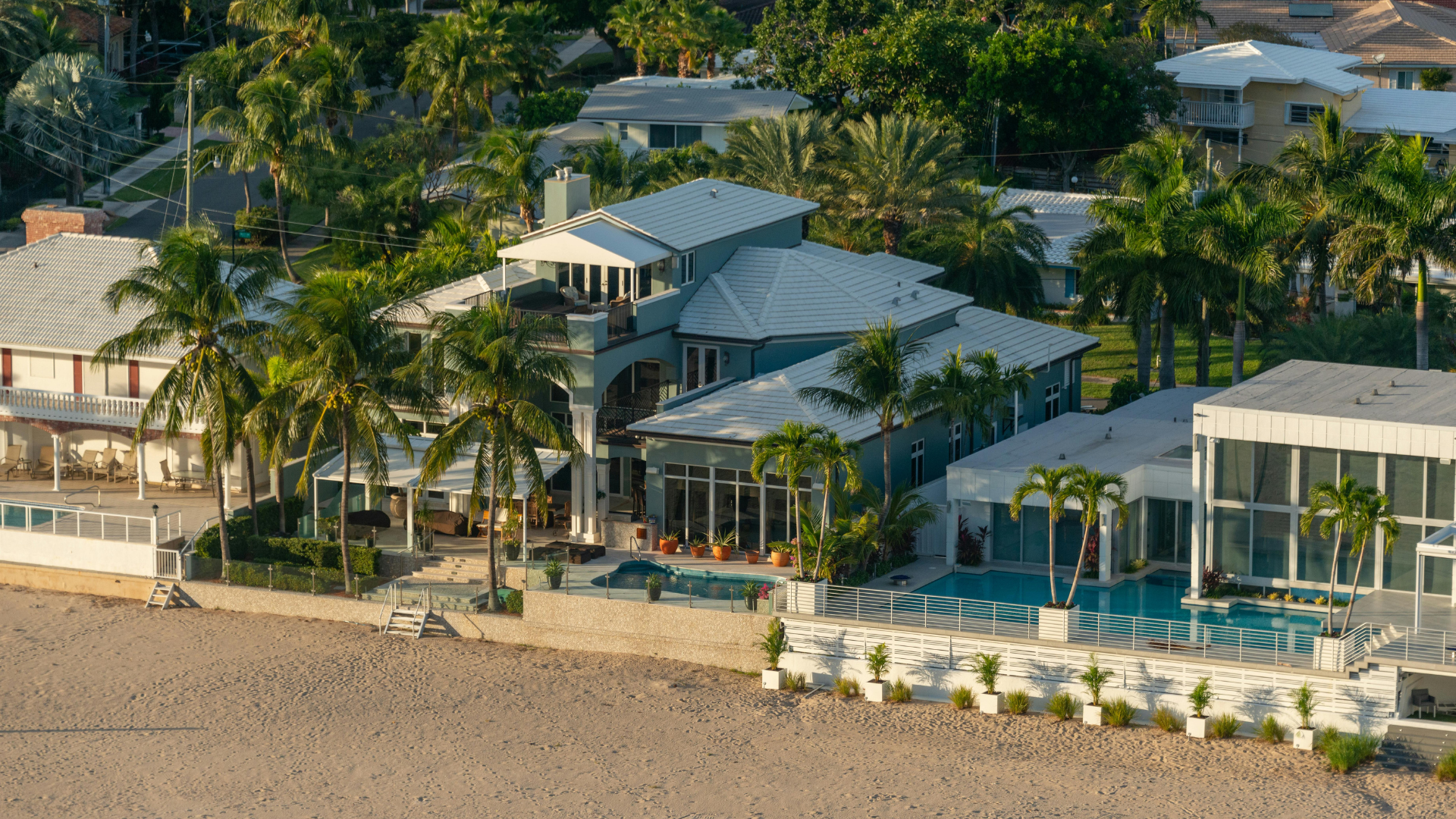
Connecticut municipalities are also adapting coastal development regulations to address projected sea level rise and flood resilience concerns. Updated zoning requirements, elevation standards, setbacks, and floodplain regulations may affect future construction, additions, renovations, and redevelopment opportunities along the shoreline.
For buyers considering older beachfront homes, understanding future regulatory limitations may be just as important as evaluating the current structure itself.
Properties requiring major future renovations may face stricter resiliency standards than buyers initially expect.
Beachfront Buyers Are Focusing More on Resilience
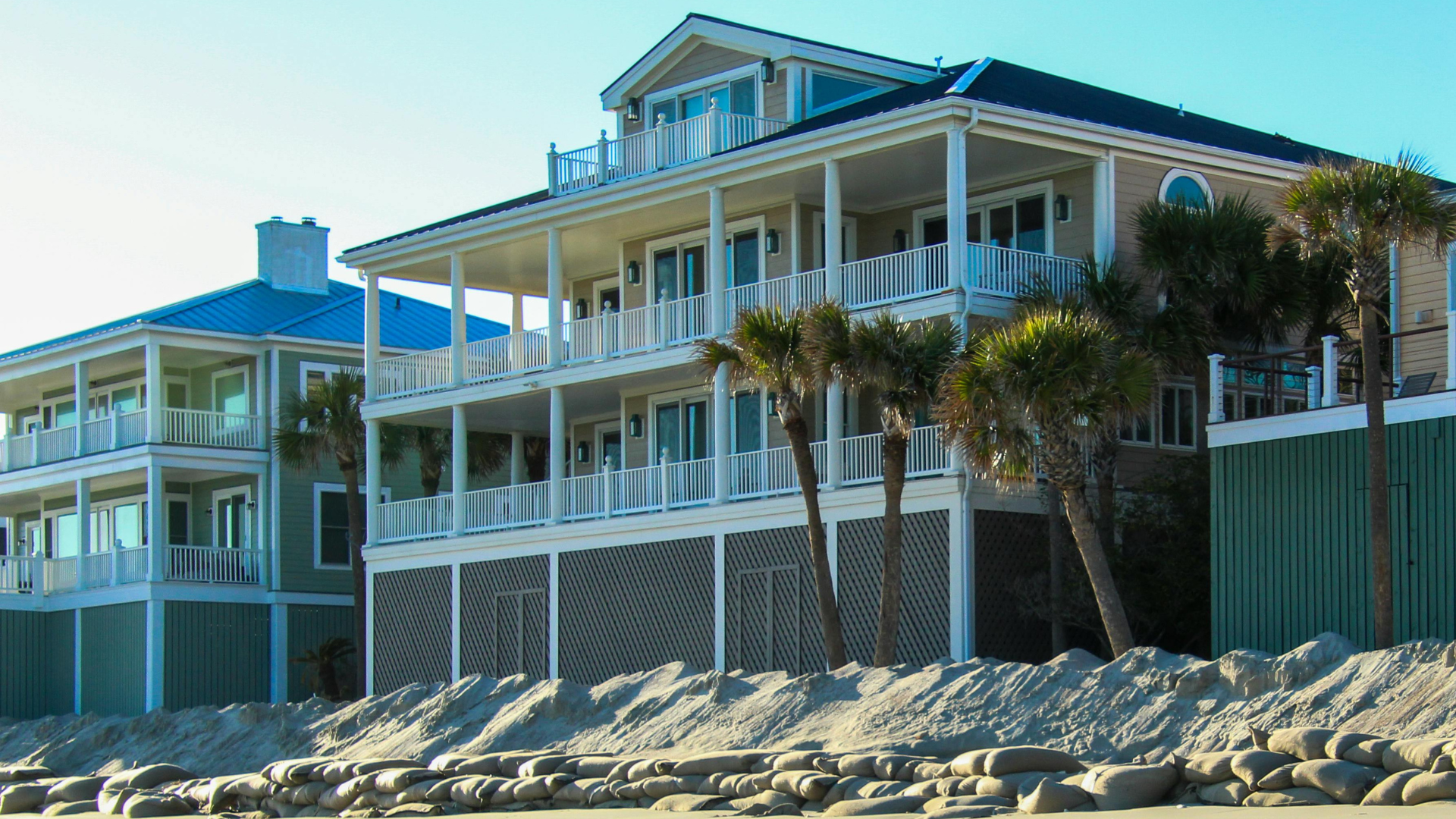
In 2026, many waterfront buyers are placing greater emphasis on property resilience features during the home search process.
Important considerations often include:
- Elevated construction
- Updated windows and roofing
- Drainage systems
- Flood-resistant materials
- Storm mitigation improvements
- Foundation condition
- Modernized utilities
Homes already incorporating resiliency improvements may attract stronger buyer interest because they potentially reduce future maintenance and insurance concerns.
Long-Term Appeal Remains Strong
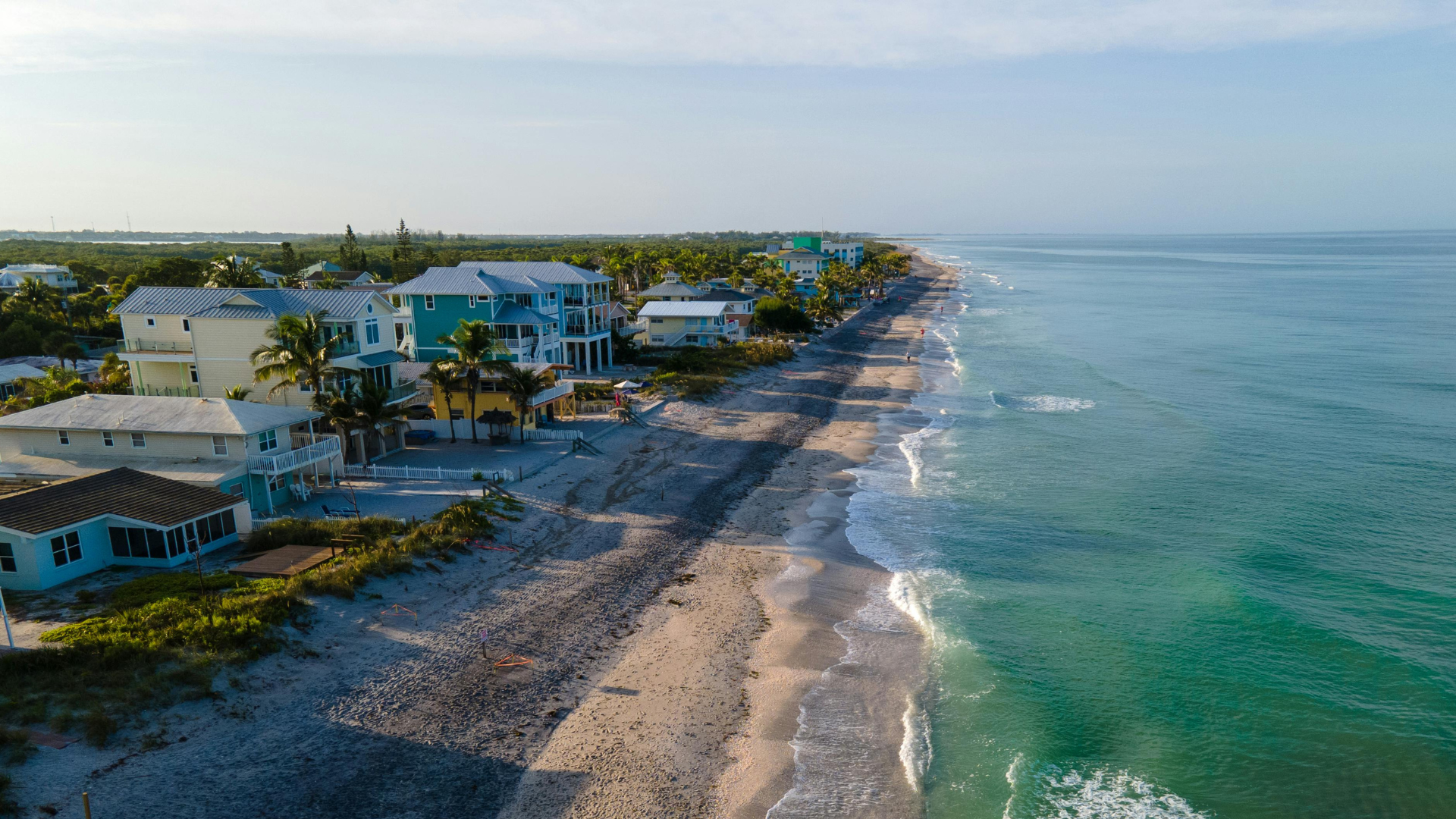
Despite growing attention on climate risk and insurance costs, beachfront properties throughout Massachusetts and Connecticut continue maintaining strong long-term appeal because of their rarity, location value, and lifestyle advantages.
Waterfront living remains highly desirable for many buyers seeking:
- Coastal recreation
- Scenic views
- Seasonal rental income potential
- Retirement destinations
- Limited-inventory luxury properties
The difference in 2026 is that buyers are approaching these purchases with more sophisticated analysis and long-term planning.
Navigating the Coastal Real Estate Market
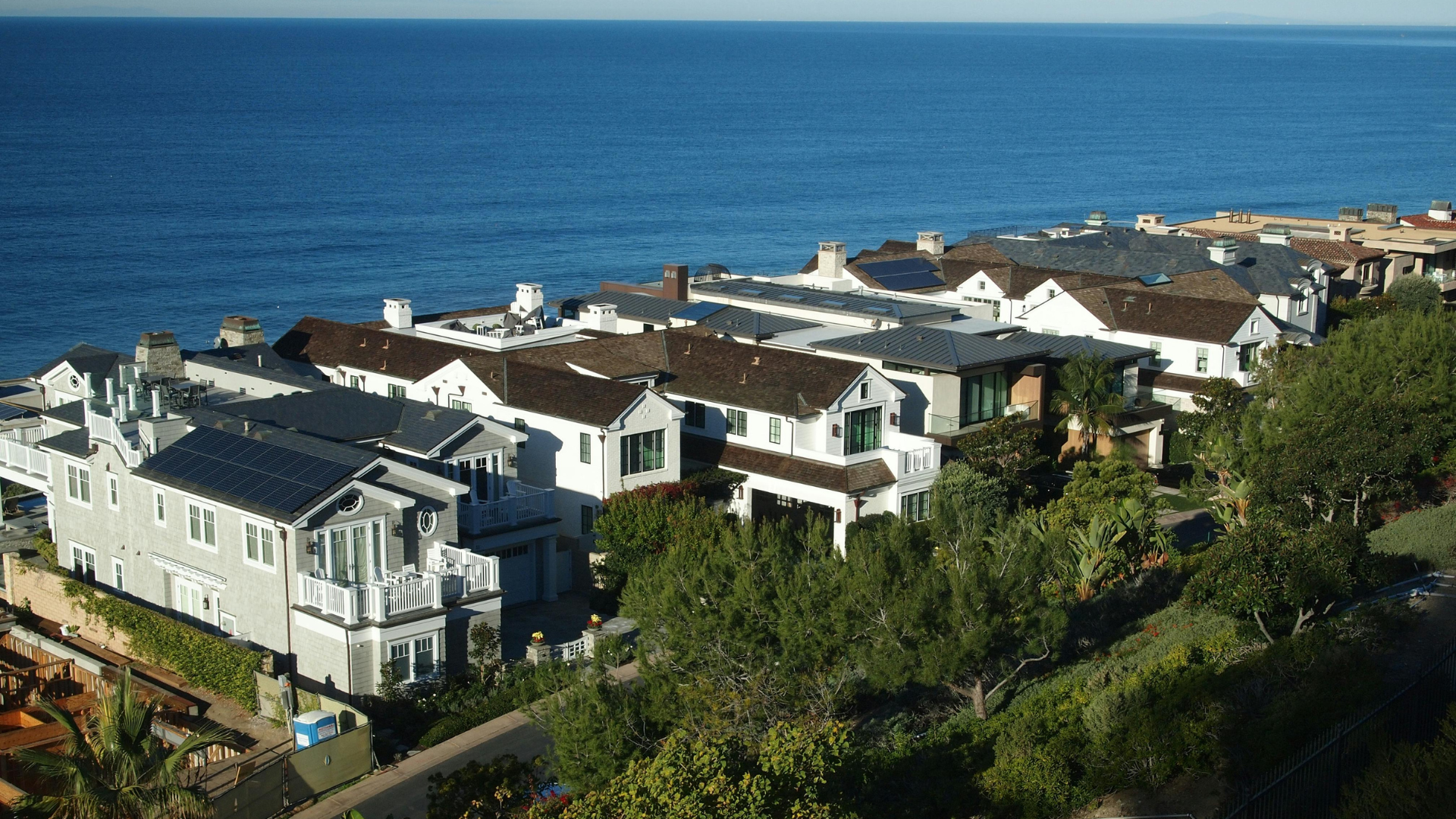
Beachfront real estate transactions now involve more than location and aesthetics alone. Insurance considerations, flood exposure, shoreline conditions, and future resiliency planning all play an increasingly important role in evaluating waterfront properties throughout Massachusetts and Connecticut.
At Trend 2000 Real Estate, Gregory Heineman, Broker/Owner, helps buyers and sellers navigate these evolving coastal market conditions with informed guidance and local market knowledge. Whether purchasing a waterfront retreat or preparing to sell a beachfront property, understanding the unique challenges and opportunities of today’s coastal real estate market is essential in 2026.




 FREE CONSULTATION