
What Buyers Should Know About Older New England Homes
Older homes are a major part of the character of Connecticut and Western Massachusetts. Many offer craftsmanship, mature landscaping, distinctive architecture, and locations in established communities that newer construction cannot easily replicate. At the same time, buying an older property requires a different level of evaluation.
For buyers, the goal is not to avoid older homes. It is to understand where age can affect maintenance, systems, and future costs. Trend 2000 Real Estate helps buyers evaluate homes with local context so they can make informed decisions before moving forward.
Older Does Not Automatically Mean Problematic
Age alone does not determine whether a home is in good condition.
A well-maintained 80-year-old house may be in better shape than a much newer property that has been neglected. What matters is how the home has been maintained, updated, and repaired over time.
Buyers should look beyond the year built and focus on the condition of major components such as the roof, foundation, electrical system, plumbing, heating system, windows, and exterior.

Pay Attention to the Major Systems
Older homes may still contain components that are approaching the end of their useful life.
Heating equipment, water heaters, electrical panels, plumbing lines, roofing, and drainage systems can all represent significant future expenses if replacement is needed.
A professional home inspection is especially important. The inspection can help identify visible defects and areas that may require further evaluation by specialized contractors.
Broker/Owner Gregory Heinemann of Trend 2000 Real Estate brings extensive local market experience to buyers throughout Connecticut and Western Massachusetts and can help clients understand which questions are worth asking during the inspection process.

Basements Deserve a Close Look
Basements are common throughout New England, and they can reveal a great deal about an older home.
Look for signs of moisture, staining, cracking, musty odors, previous repairs, or water-management systems. Older foundations may behave differently from modern construction, so not every crack indicates a serious structural issue, but visible concerns should still be evaluated carefully.
Gutters, grading, drainage, and groundwater conditions can all influence basement moisture.
Energy Efficiency May Vary
Many older homes were built before modern energy-efficiency standards.
Insulation levels, window performance, air sealing, and heating systems may differ significantly from newer construction. That does not mean an older home cannot be comfortable or efficient, but buyers should consider potential upgrade costs.
It is also worth asking about previous improvements, such as replacement windows, added insulation, updated boilers or furnaces, and other efficiency upgrades.

Renovations Should Be Evaluated Carefully
Older homes often have a long renovation history.
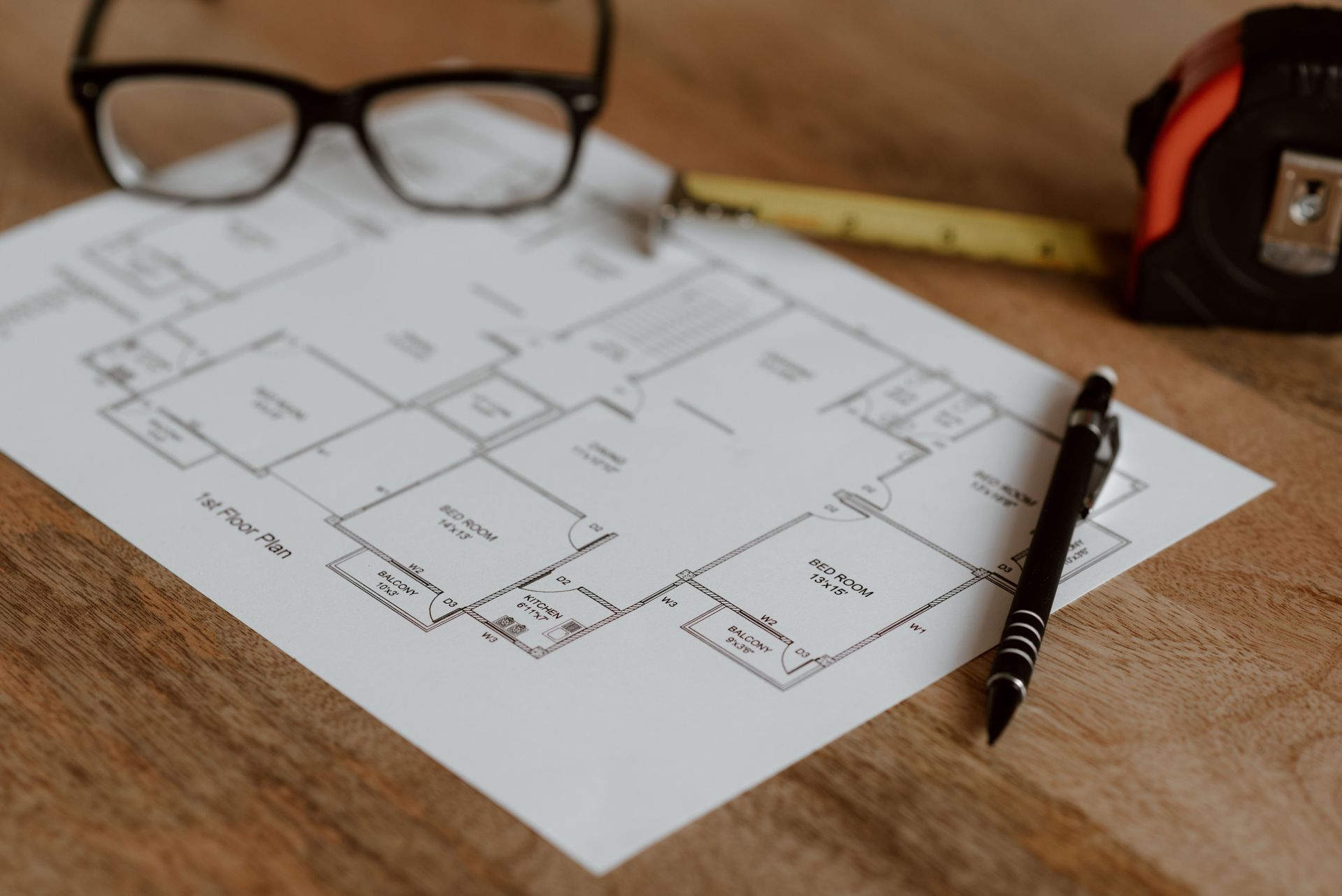
Some improvements may have been completed professionally, while others may have been performed decades ago under different standards. Buyers should pay attention to additions, finished basements, converted attics, altered floor plans, and major system upgrades.
Available permits, disclosures, and inspection findings can provide useful information about how previous work was completed.
A beautiful renovation should still be evaluated for function and quality.
Wells, Septic Systems, and Rural Features May Matter
In more rural parts of Connecticut and Western Massachusetts, older homes may rely on private wells and septic systems.
These systems require their own inspections and maintenance considerations. Buyers should understand their condition, age, and service history when possible.
Long driveways, retaining walls, mature trees, outbuildings, and extensive acreage may also add both appeal and maintenance responsibilities.

Character Can Be a Major Advantage
Older New England homes often offer details that are difficult to reproduce today.
Original hardwood floors, detailed millwork, fireplaces, built-in cabinetry, stonework, and established landscaping can give a property a sense of history and individuality.
For many buyers, those features are exactly what make an older home attractive.
The key is balancing character with a realistic understanding of maintenance and future improvements.
Buy With Local Knowledge
Older homes can be excellent purchases when buyers understand what they are evaluating. A careful inspection, realistic budgeting, and strong local guidance can help separate normal aging from issues that deserve closer attention.
Trend 2000 Real Estate serves buyers and sellers throughout Connecticut and Western Massachusetts. Broker/Owner Gregory Heinemann provides experienced local insight into older homes, neighborhood conditions, pricing, and property characteristics throughout the region. If you are considering an older New England home, contact Trend 2000 Real Estate to begin your search with a knowledgeable local resource.


 FREE CONSULTATION