
How to Evaluate Long-Term Value Before You Buy
Buying a home is one of the most significant financial decisions most people will make. While many buyers focus on price, appearance, and immediate needs, long-term value is what ultimately determines whether a property becomes a strong investment over time. Evaluating that value requires a broader perspective, one that looks beyond the listing and considers how the property will perform in the years ahead.
At Trend 2000 Real Estate, led by Gregory Heineman, helping clients understand long-term value is a key part of making informed decisions.
Look Beyond the Initial Price
The purchase price is only one part of the equation. A property that appears competitively priced today may not hold its value if other factors are not aligned. Conversely, a home priced slightly higher may offer stronger long-term potential.
Evaluating value means asking how the property is likely to perform over time. This includes considering resale potential, desirability, and how the home compares to others in the area. The goal is to understand whether the investment will remain competitive in the future market.
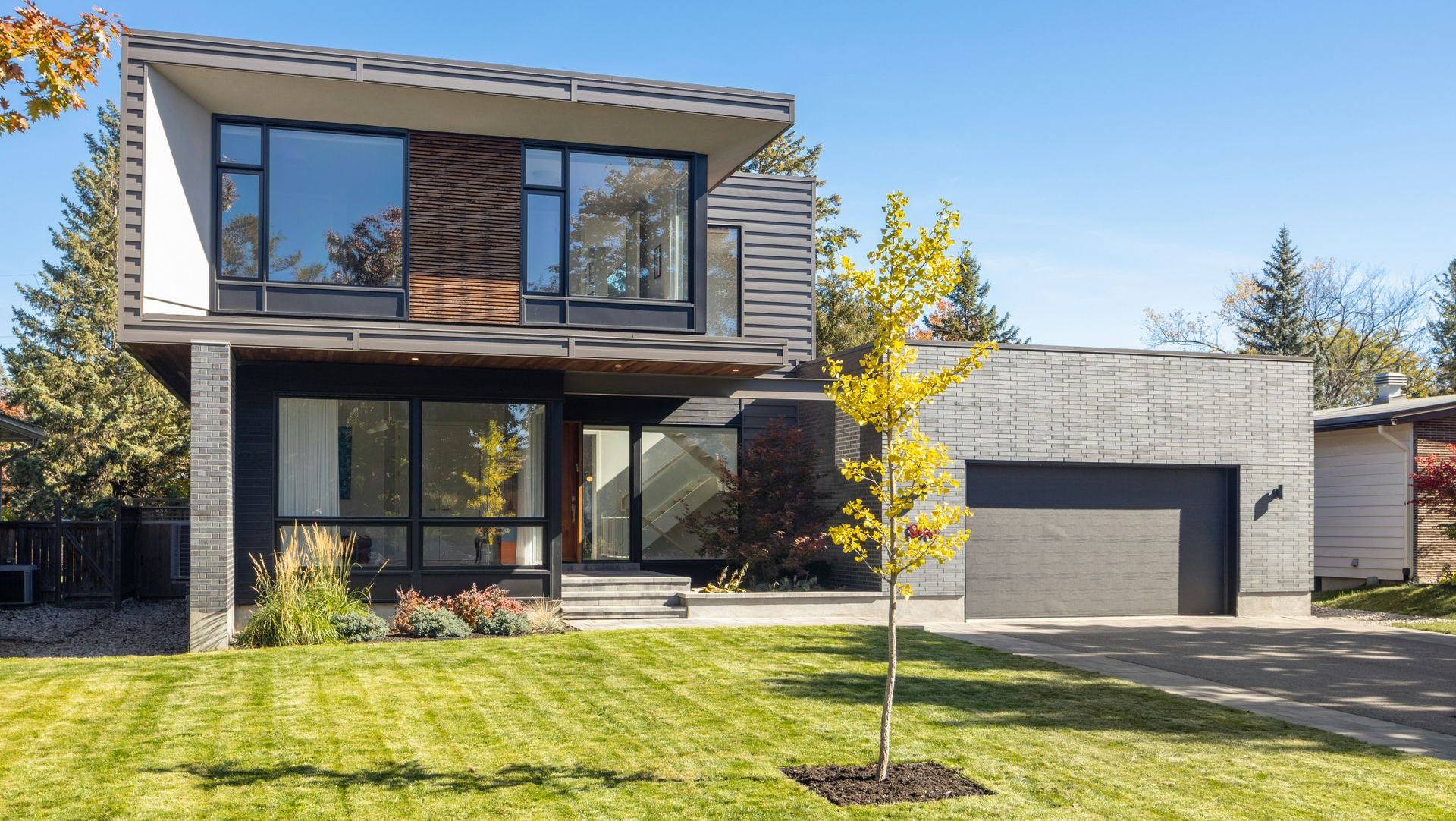
Evaluate Location With a Long-Term Perspective
Location continues to be one of the most important drivers of value. However, it is not just about current convenience. It is about how the area is likely to develop and maintain appeal over time.
Factors to consider include proximity to major roadways, access to schools and services, and the overall condition of the surrounding neighborhood. Areas with consistent demand tend to support stronger long-term value, while locations with uncertain growth may present additional risk.
A detailed understanding of local market trends can provide important context when evaluating these factors.
Consider the Property’s Functional Design
A home’s layout and functionality play a significant role in its long-term appeal. Features that work well for daily living today are more likely to remain desirable in the future.
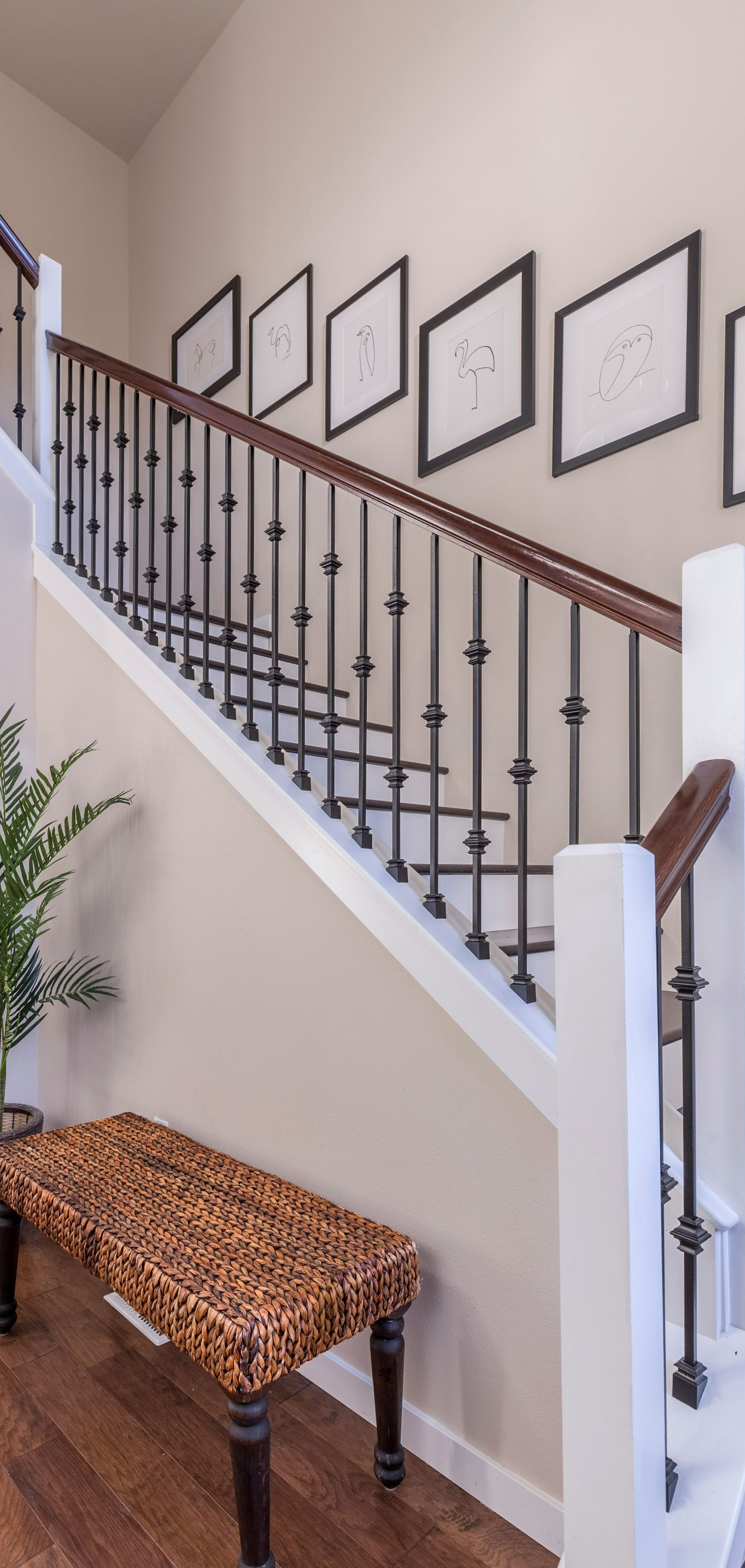
Buyers should consider how the space is organized, whether the layout supports modern living, and how adaptable the property may be as needs change. Homes with flexible, practical designs tend to attract a broader range of buyers when it comes time to sell.
Assess Condition and Future Maintenance
The condition of a property has a direct impact on its long-term value. While cosmetic updates are relatively straightforward, structural or system-related issues can affect both performance and cost over time.
Understanding the age and condition of key components such as roofing, mechanical systems, and major structural elements helps provide a clearer picture of future investment requirements. A property that requires significant updates may still be a good purchase, but it should be evaluated with those costs in mind.
Compare Against the Market
Long-term value is also influenced by how a property compares to others in the same market. This includes looking at similar homes, recent sales, and overall pricing trends.
A property that aligns well with market expectations is more likely to maintain its value. On the other hand, a home that is significantly different from comparable properties may face challenges when it comes time to resell.
Careful comparison helps ensure that the purchase is supported by
broader market data rather than isolated factors.

The Value of Professional Guidance
Evaluating long-term value requires more than reviewing a listing. It involves understanding market conditions, identifying potential risks, and recognizing opportunities that may not be immediately obvious.
Working with an experienced real estate professional provides access to insights that can support better decision-making. At Trend 2000 Real Estate, Gregory Heineman brings a consultative approach that helps clients assess properties with a focus on both current needs and future performance.
A More Informed Approach to Buying
Long-term value is not determined by a single factor. It is the result of how location, condition, design, and market alignment come together over time. By taking a comprehensive approach to evaluation, buyers can make decisions that support both immediate goals and future stability.
If you are considering a purchase and want to ensure that you are making a well-informed investment, contact Trend 2000 Real Estate to work with a team that prioritizes long-term value and strategic decision-making.





 FREE CONSULTATION